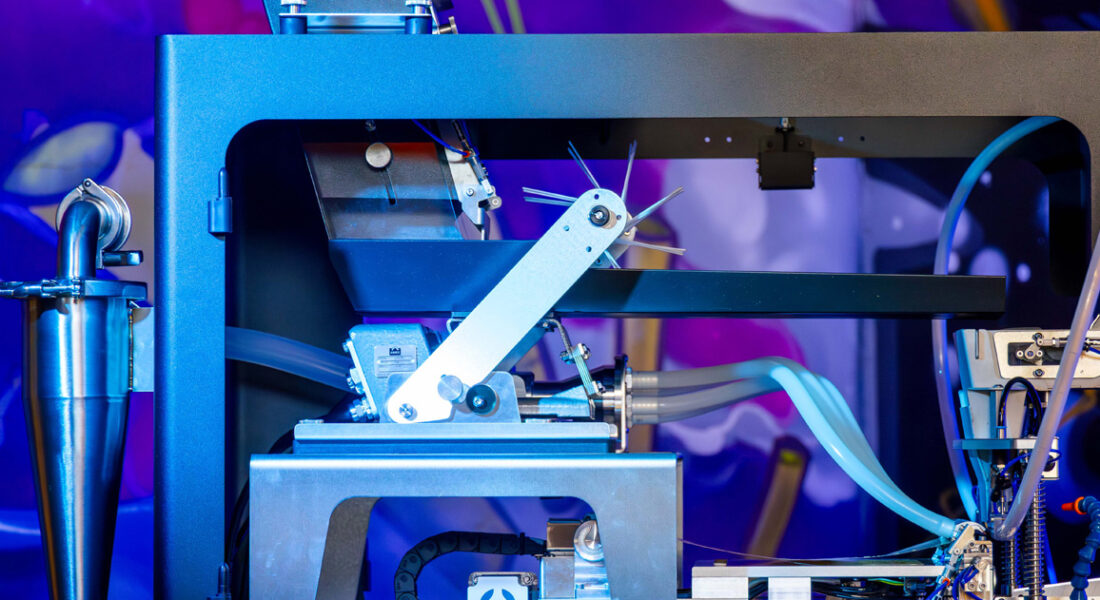
How Pre-Roll Machines Are Revolutionizing Cannabis Production (2026 Guide)
The Pre-Roll Category Just Overtook Flower
Pre-roll production has changed quickly because the category itself has gotten much bigger. According to Headset, pre-rolls generated roughly $3.1 billion in U.S. sales from June 2025 through May 2026. In Canada, pre-rolls have overtaken flower to become the country’s largest cannabis category.
That growth creates a simple production problem: demand can increase much faster than a hand-rolling team can.
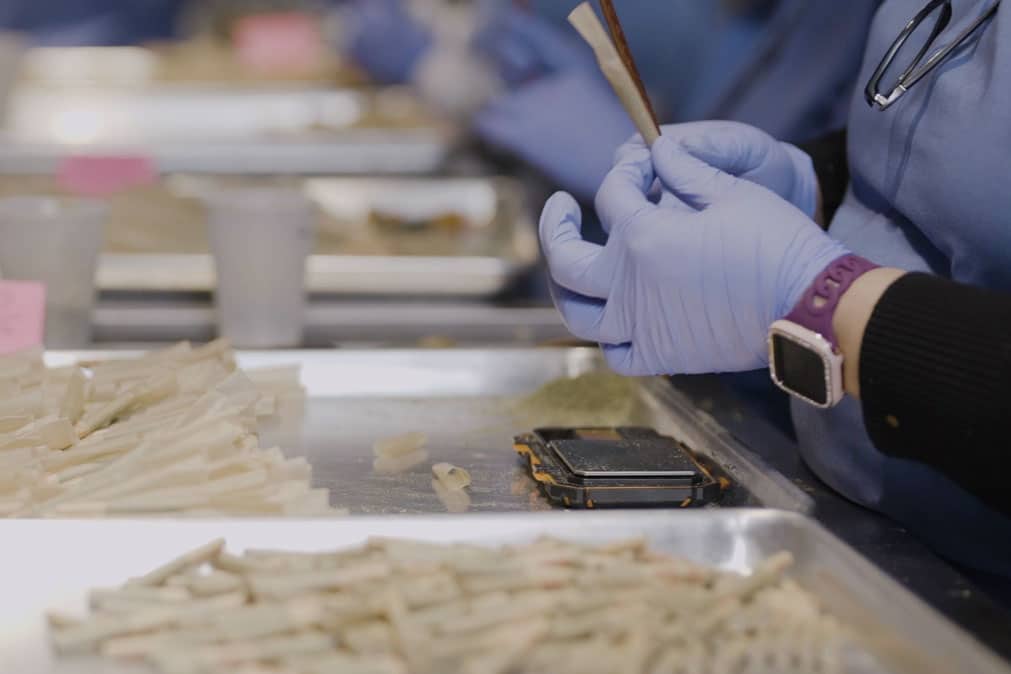
For commercial producers, adding more rollers means more labor, training, floor space and quality-control work. Pre-roll automation changes that equation by helping smaller teams produce more consistent products at higher volumes.
But automation covers a wide range of equipment, from tabletop cone fillers to fully automated production systems. Today’s cannabis pre-roll automated machines range from simple filling systems to equipment that handles multiple stages of production with very little operator intervention. This guide explains how these machines work, what different systems can produce, what they cost and when commercial pre roll automation makes financial sense.
For more category data, explore our pre-roll market reports.
What a Pre-Roll Machine Actually Does
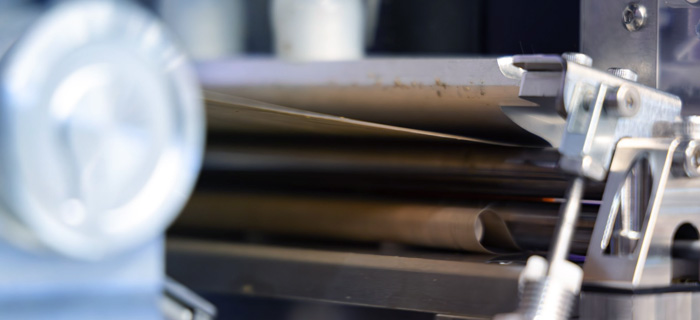
A pre-roll machine is equipment that automates one or more stages of joint production, including loading, filling, compacting, weighing, closing or rolling.
Manual and tabletop fillers use trays or molds to fill multiple cones at once. They’re inexpensive but still require significant operator involvement.
Semi-automated cone fillers use vibration, agitation or similar methods to distribute ground flower into pre-formed cones. Knockbox-style systems fall into this category.
Fully automated systems handle several production stages, potentially including paper or cone loading, weighing, filling, compaction, closing and discharge.
There are also differences in how joints are formed. Most machines use pre-made cones, while systems such as the Blackbird form straight joints from a continuous roll of paper.
Our guide to cone filling, crutches and other pre-roll terms explains the terminology behind these different production methods.
How a Pre-Roll Machine Works, Step by Step

- Prepare the cannabis. Flower is de-stemmed, ground and often sifted. Particle size, grind consistency and moisture content matter because inconsistent material can create problems throughout production.
- Load the cone or paper. Cone-based systems use pre-formed cones, while straight-roll machines feed rolling paper into the system and form the joint during production.
- Fill and compact. Cannabis is portioned to a target weight and compacted. Depending on the equipment, this may involve vibration, tamping, air or radial compaction.
- Check weight and quality. Joints are weighed automatically or at a separate QC station and checked for physical consistency, airflow and visible defects.
- Close and package. Finished joints may receive a twist finish, Dutch Crown-style closure or another finish before moving into packaging or tube loading.
Material preparation is one of the biggest variables in this process. Even an advanced industrial pre roll machine can struggle with inconsistent flower. Producers running several SKUs should also know how to calibrate for different cone sizes.
Manual vs. Automated Joint Rolling: The Real Numbers
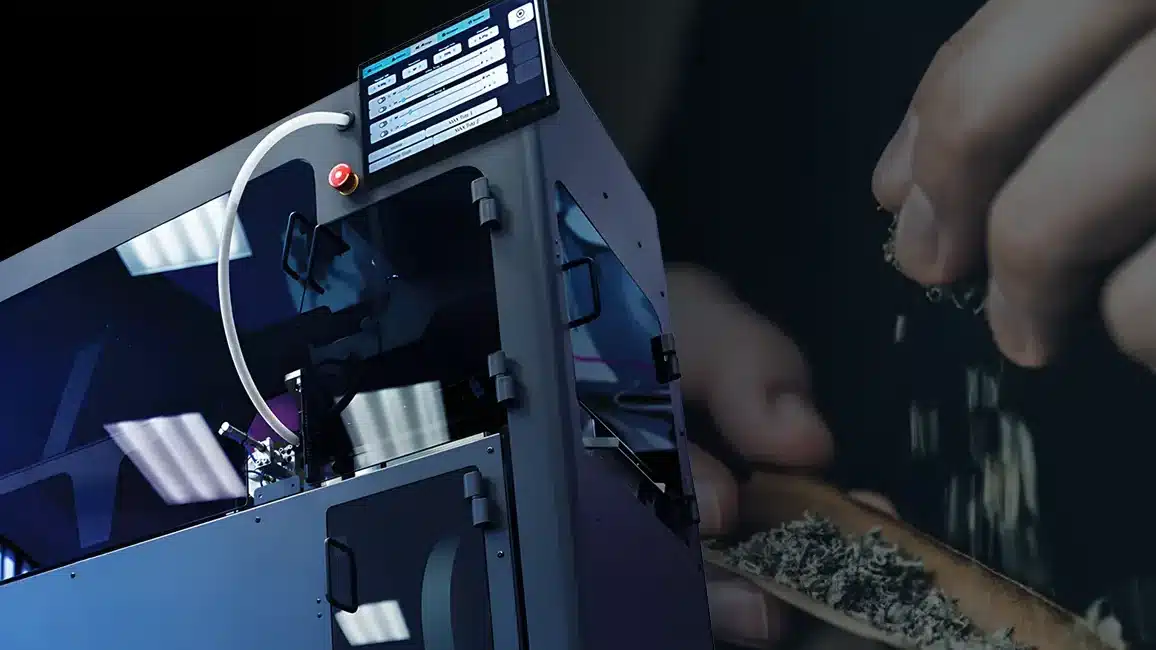
A trade-sourced benchmark puts an experienced hand-packer at roughly 500–800 joints per day, with fully loaded annual labor costs around $28,800–$40,000 per employee.
| Metric | Hand-rolling | Semi-automated | Fully automated |
| Output per operator/day | ~500–800 | Several thousand | Often 5,000–15,000+ |
| Operators required | High at scale | Moderate | Typically 1–2 at machine |
| Fill consistency | Operator-dependent | Improved | High with weight controls |
| Labor cost/unit | Highest | Moderate | Lowest at sufficient volume |
| Equipment cost | Minimal | ~$300–$15,000+ | ~$120K–$325K+ |
| Best fit | Low-volume | Low-to-mid volume | High-volume commercial |
Automation isn’t automatically the better option. At low volumes, a large capital investment may cost more than maintaining a small manual team. The economics change as volume and labor requirements increase.
Read more about manual vs automated joint rolling for commercial producers.
Pre-Roll Machine Comparison: Throughput and Price by Class (2026)
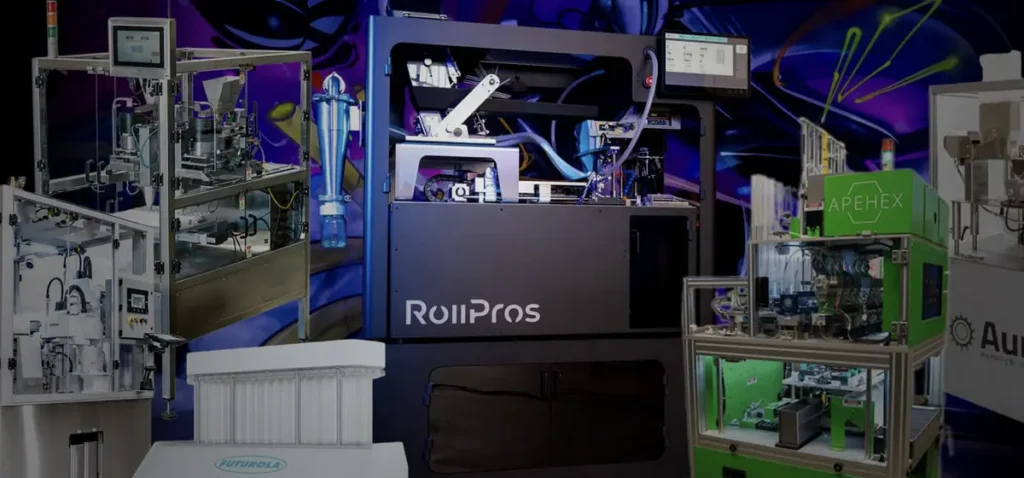
There isn’t one machine that fits every facility. Here’s how several commercial options compare.
| Machine | Class | Manufacturer-stated throughput | Price | Specialty capability | Best fit |
| RollPros Blackbird | Fully automated straight-roll | ~900/hr* | ~$225K* | Infused | High-volume straight joints |
| Blackbird XXL | Automated straight-roll/blunt | Up to 750/hr standard; 300/hr blunt wrap | Enterprise | Blunts, infused, hash holes | Premium/large formats |
| Hefestus AuraX | Fully automated cone | Up to 2,000/hr | ~$230K* | Infused capable | High-volume cones |
| STM RocketBox 2.0 | Commercial tray | Up to 20,000/day | ~$24,950 | Product dependent | Modular production |
| PreRoll-Er 200 | Fully automated | Up to 1,300/hr | ~$275K* | Infused capable | Weight-controlled production |
| Accelerant PRO2 | Fully automated | Up to 2,000+/hr | Pay per joint | Infused capable | High-volume production |
| Futurola Knockbox | Semi-automated | Up to 300 cones/cycle | ~$3K–$15,625 | Model dependent | Entry/mid-volume cones |
Throughput and pricing shown are manufacturer-published figures or publicly available industry estimates, not independently tested results. Actual production depends on material, operators, changeovers, uptime and QC requirements. Contact manufacturers for current pricing and specifications.
Broadly, semi-automated equipment ranges from a few hundred dollars into the $15,000 range, commercial tray systems can reach roughly $6,600–$60,000, and fully automated systems commonly fall around $120,000–$325,000+.
See our 2026 guide to the best automated pre-roll machines for a deeper comparison.
Infused Pre-Rolls and Hash Holes: Where the Growth Is
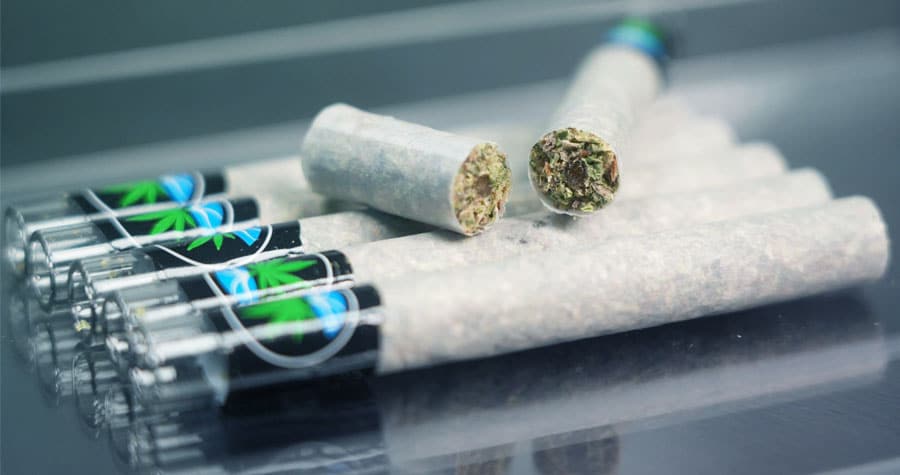
Infused pre-rolls accounted for roughly 47% of category revenue in recent market reporting, making specialty formats increasingly important when evaluating equipment.
They’re also harder to automate. Distillate, live resin, rosin, kief and other concentrates change how cannabis behaves during production. Viscosity, temperature and stickiness can affect material flow, cause buildup or damage thin cones.
Hash holes add another challenge because the concentrate needs to remain positioned through the center of the joint.
If infused products are on your roadmap, ask manufacturers what infusion methods they’ve tested, how concentrates affect cleaning and downtime, and what throughput is realistic with your actual formulation. Ideally, run your own material before purchasing.
Learn more about producing infused joints, the equipment required for infused pre-rolls and scalable hash hole production.
What Automation Actually Costs — and When It Pays Back
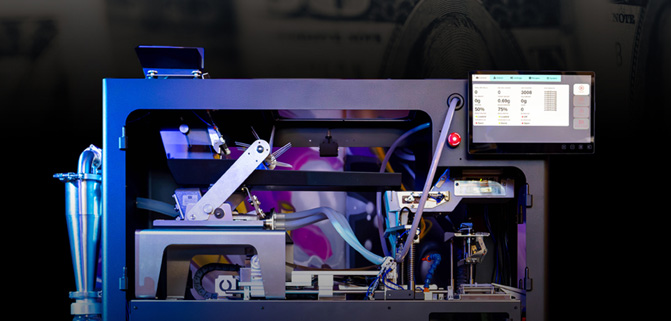
Machine price isn’t the same as production cost. A useful cost-per-unit calculation should include:
Equipment + financing + labor + consumables + material waste + rejects + maintenance + downtime ÷ sellable units produced
The more sellable units a machine produces, the farther its fixed cost gets spread.
Some high-volume operations can see a 3–6 month payback, but that’s a benchmark, not a guarantee. ROI depends on production volume, labor costs, financing, uptime and product mix. A producer making only a few thousand units per month may find that a six-figure automated system simply doesn’t pay.
Use our ROI calculator, learn about the real ROI of an automated pre-roll machine or see what it costs to produce a pre-roll at scale.
Choosing the Right Machine for Your Production Volume
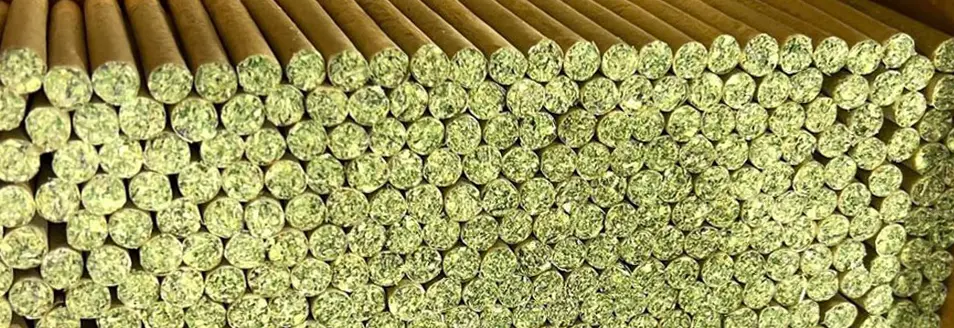
Under ~5,000 units/month: Manual production, tabletop equipment or basic tray fillers usually make the most sense. Low capital cost and flexibility matter more than maximum throughput.
5,000–100,000 units/month: Semi-automated equipment becomes more attractive. Pay attention to the entire workflow so faster filling doesn’t simply move the bottleneck to weighing or closing.
100,000+ units/month: Full commercial pre roll automation becomes easier to justify. At this industrial pre-roll scale, throughput, uptime, labor reduction, service and changeover speed have a much bigger impact on cost per unit.
Regardless of volume, compare realistic uptime, fill accuracy, cone size flexibility, changeover time, infused capability, footprint, operator count, training and parts availability.
For larger operations, read our guide to building a high-volume pre-roll production facility.
What This Looks Like in Production — Operator Results
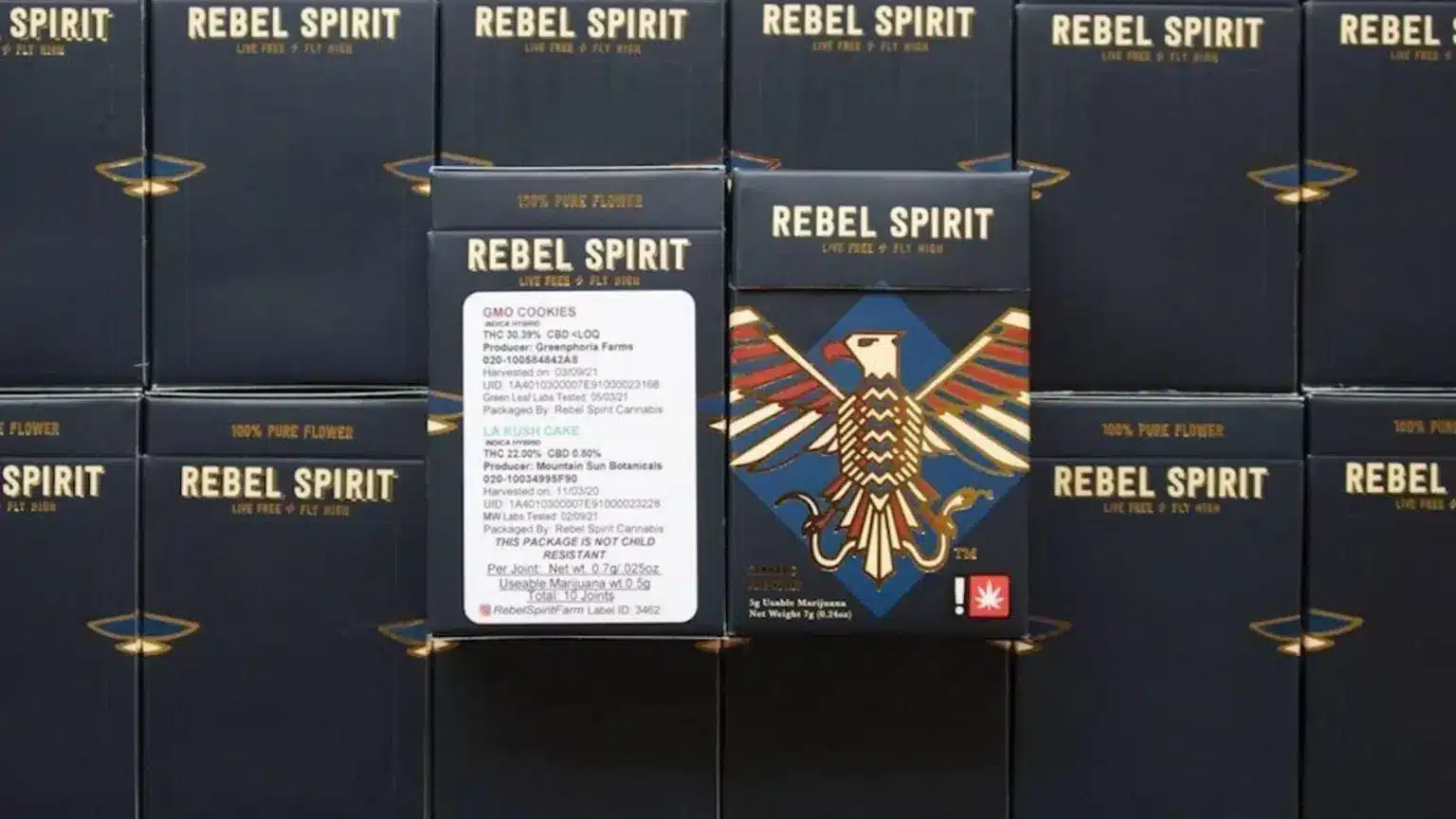
Automation looks different on an actual production floor than it does on a spec sheet.
Rebel Spirit was producing roughly 300,000 pre-rolls per month with a crew of around 22 people before reevaluating its production model and incorporating multiple Blackbirds.
Phat Panda reports shipping around 100,000 pre-rolls per week from its Washington operation, where multiple Blackbirds are used for standard and infused products.
Southern Crop incorporated automation while building its Mississippi pre-roll program. Its pre-rolls later won Best in Class at the Magnolia Cup, and the category grew to roughly 20% of company sales.
More recently, DOGHOUSE reported roughly 4× production output after moving away from its labor-heavy cone workflow while reducing pre-roll labor costs by about 75%.
These results aren’t guaranteed outcomes for other facilities, but they show why throughput, labor and product quality should be evaluated together.
See more operator case studies.
Frequently Asked Questions
Equipment ranges from a few hundred dollars for basic fillers to $300,000+ for fully automated industrial pre roll machines. The right investment depends on production volume, labor costs, required throughput and product format.
Manufacturer-stated throughput ranges from hundreds to roughly 2,000 pre-rolls per hour for commercial systems. Actual output depends on material consistency, operator efficiency, downtime, changeovers and QC.
Not always. Producers making fewer than roughly 5,000 units per month may get a better return from manual or semi-automated equipment. Full automation generally becomes easier to justify as volume and labor requirements increase.
Some high-volume operations can reach ROI in 3–6 months, but there’s no universal payback period. Equipment cost, labor savings, uptime, financing, waste and monthly production all affect break-even.
Pre-roll machines automate some combination of loading, filling, compaction, weighing, closing and finished-product handling. Fully automated machines handle several steps in sequence, while semi-automated systems may focus primarily on cone filling.
A cone filler primarily puts cannabis into pre-formed cones. A fully automated system handles additional production stages such as loading, weighing, compaction and closing or rolling, reducing the manual labor required around the machine.
Some can, but capabilities vary significantly. Infused flower introduces viscosity, temperature and cleaning challenges, while hash holes require specialized concentrate placement. Producers should test their actual formulation with a manufacturer before purchasing.
Many fully automated systems require one or two machine operators, although additional staff may still handle material preparation, QC and packaging. Semi-automated systems generally require more hands-on labor around the filling process.
Grind size, moisture content, material density and inconsistent feeding can all cause weight variation. Proper de-stemming, sifting and grinding are important because consistent input material makes machine calibration much more repeatable.
Many do, but changing sizes may require different trays, holders, change parts or calibration. Producers running multiple SKUs should consider changeover time alongside advertised throughput when comparing machines.
The Bottom Line for Cannabis Producers
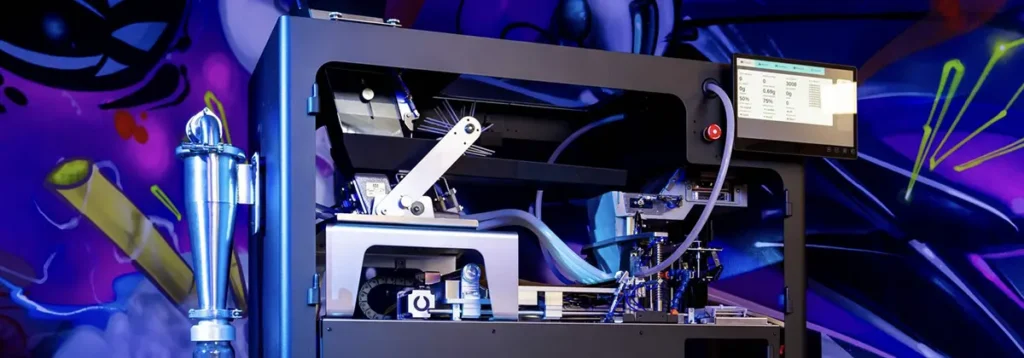
Pre-roll machines are revolutionizing cannabis production for a practical reason: category demand has grown faster than manual labor can efficiently scale.
That doesn’t mean every producer needs the biggest or fastest machine. A smaller pre-rolled cannabis producer may be better served by a tray filler, while a facility making hundreds of thousands of units can often justify full automation. Specialty formats like infused joints, blunts and hash holes add another layer to the decision.
Start with volume, then compare product format, realistic throughput, operator requirements, uptime and cost per sellable joint. The right class of equipment should solve the bottlenecks you actually have—not simply provide the highest number on a spec sheet.
If your production numbers point toward full automation, you can request a quote or book a live demo.