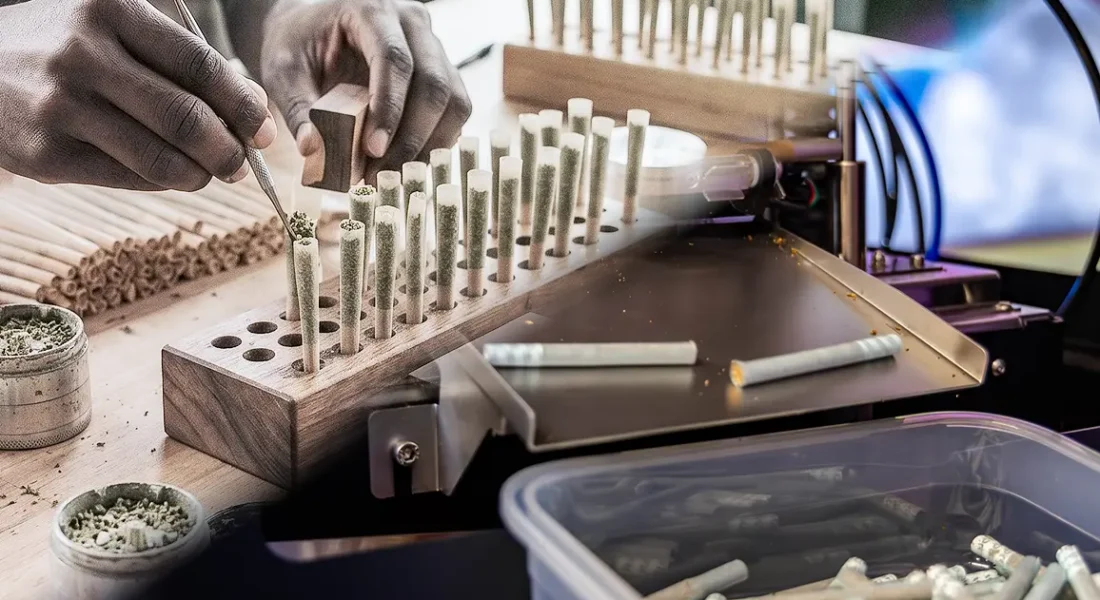
Comparing Automated and Manual Joint Rolling for Commercial Producers
The debate around automated vs manual joint rolling has become impossible to ignore as cannabis brands scale to meet rising demand. Pre-rolls offer convenience, consistency, and accessibility for both new and experienced consumers, which is why they continue to dominate dispensary shelves. Production decisions that directly impact output, labor costs, and overall product quality are behind every single pre-roll line on the market.
The choice between automation and hand-crafted production is not simply about speed for commercial operators. It also affects pre-roll manufacturing efficiency, terpene preservation, compliance accuracy, and the long-term ability to scale. A workflow that works for a craft producer pushing a few thousand units per month may completely break down during the mass production of pre-rolls.
This guide breaks down the real operational differences between manual and automated production methods. From throughput and labor requirements to weight consistency and quality control, commercial operators will gain a practical framework for choosing the right system for their current business stage and future growth plans.
The Rise of Commercial Pre-Roll Production and Why Method Matters
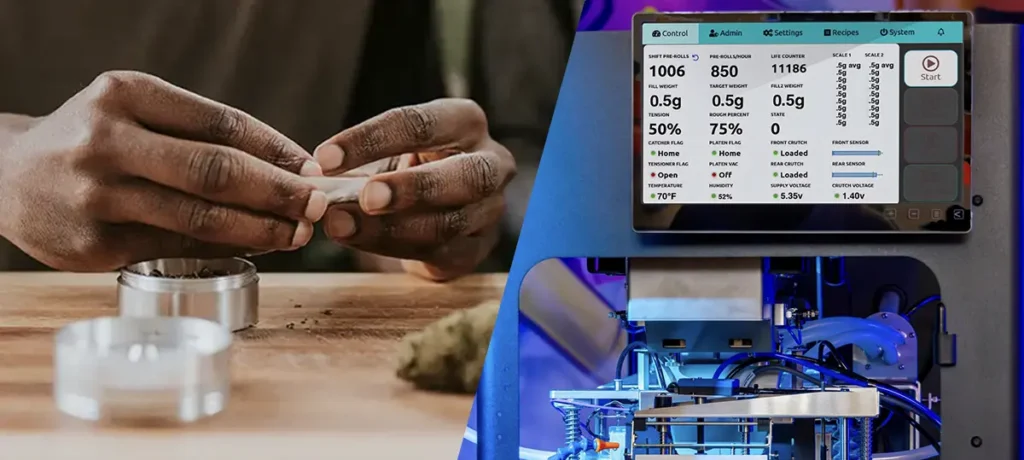
Starting as just a budget add-on product, the cannabis pre-roll category has evolved into one of the fastest-growing segments in the industry. Consumers now expect their pre-rolls to deliver the same level of quality, freshness, and consistently as premium flower products. Manufacturing quality directly influences customer retention, and this shift has pushed commercial pre-roll production into this competitive space.
As brands scale, the production method becomes a major differentiator. The conversation around automated vs manual joint rolling is no longer limited to operational preference. Product consistency, labor cost, throughput capacity, and overall profitability are all impacted. Consumers notice when joints burn unevenly, arrive underweight, or lose aroma before purchase.
Pressure on producers handling the mass production of pre-rolls has started to increase with the rise of infused products, multi-packs, and strain-specific SKUs. The need for companies to have systems capable of maintaining quality while producing thousands, or even millions, of units each month is rising.
This article will break down the key trade-offs between manual and automated workflows, including speed, weight accuracy, terpene preservation, labor dependency, and scalability.
How Manual Joint Rolling Works in a Commercial Setting
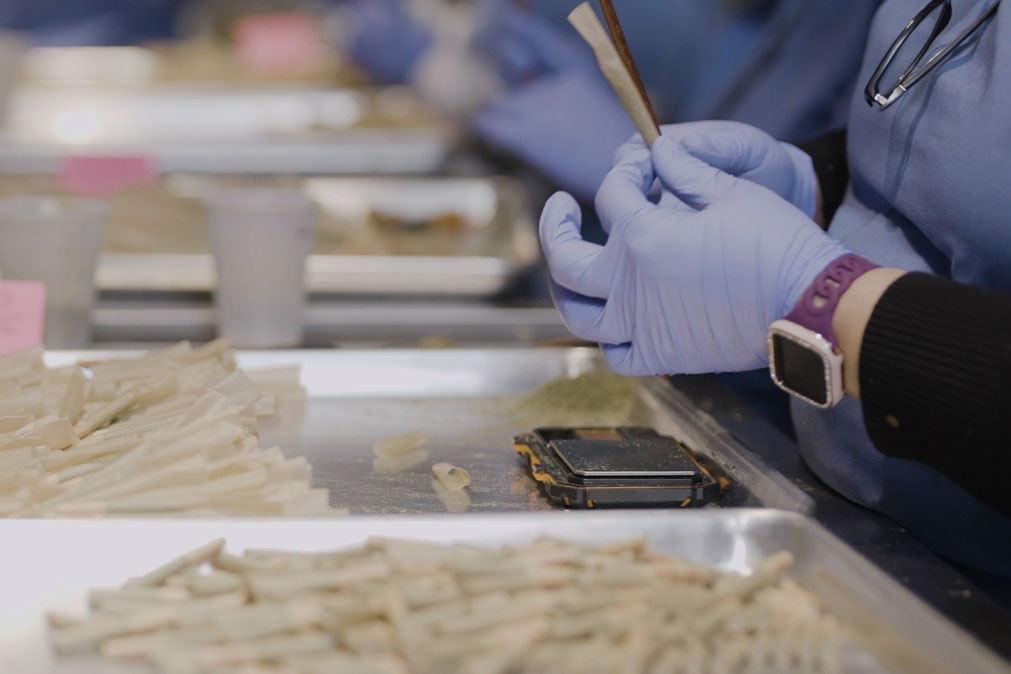
Across smaller cannabis brands and premium craft operations, manual production remains common. In a commercial environment, manual workflows typically involve teams who are responsible for different things. They do things like grinding flower, hand-rolling, packing material evenly, sealing the joints, and even performing visual quality inspections before packaging.
Manual rolling still makes the most sense strategically for some operators. Companies with smaller production runs, limited edition products, and specificity formats often benefit from the flexibility that comes with hand-finishing their joints. Brands who focus on craftsmanship may also benefit from manual workflows so that they reinforce a premium image within commercial pre-roll production.
Some advantages of manual rolling include:
- Lower upfront equipment investment
- Greater flexibility across cone sizes and specialty products
- Easier adjustments between SKU changes
- Direct tactile quality checks during production
The benefits can outweigh automation costs at lower production volumes. That being said, limitations can start to become more noticeable as output grows. Human rollers naturally produce variation in pack density and fill weight, especially over long shifts. Bottlenecks that reduce overall pre-roll manufacturing efficiency can be created with labor-intensive workflows.
Manual teams can struggle to maintain consistent throughput during the mass production or pre-rolls when it comes to larger operations. Training becomes an ongoing thing, per-unit labor costs quickly rise, and employee turnover significantly impacts the consistency across batches. When this starts to happen, many producers begin to explore semi or fully automated alternatives.
How Automated Joint Rolling Works — and What It Actually Delivers
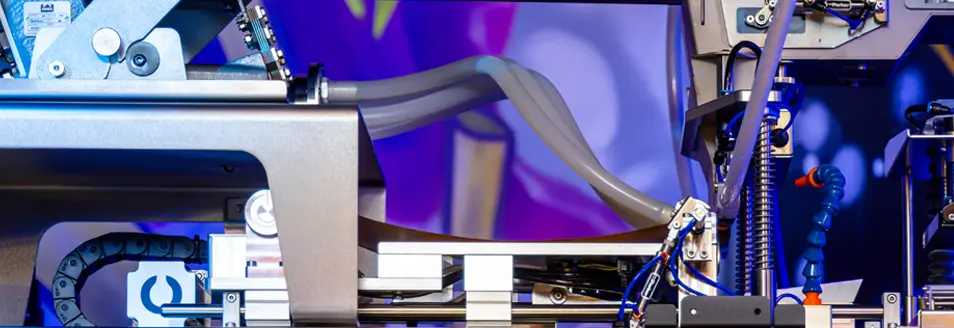
Automated pre-roll systems are designed to streamline production by standardizing every major stage of the process. Most machines automate cone loading, filling, vibration or tamping, twisting, sealing, and in some cases, integrated quality control checks. Depending on the equipment tier, operators may only need a small team to oversee production and manage material flow.
Semi-automatic systems typically require human involvement for loading cones or transferring trays between stages. Fully automated production lines handle nearly every step with minimal manual interaction. Output capacity varies widely, but modern commercial systems can produce anywhere from several thousand to over 100,000 joints per shift during the mass production of pre-rolls.
The biggest advantages of automation include:
- More consistent fill weights
- Higher production throughput
- Reduced labor dependency
- Lower per-unit production cost at scale
- Improved overall pre-roll manufacturing efficiency
For brands scaling into larger retail footprints or multi-state operations, these systems become especially valuable. Maintaining consistency while increasing capacity is done with the ability to standardize production across multiple facilities
Automation does still come with some trade-offs. The overall upfront investment can be substantial, especially for a fully integrated system. Not only that, but the machines also require cleaning, consistent maintenance and calibration, and operator training to keep its optimal performance. Specialty formats may still require manual finishing, making the debate around automated vs manual joint rolling less black and white than many producers expect.
Pre-Roll Weight Accuracy: Automated vs. Manual Compared
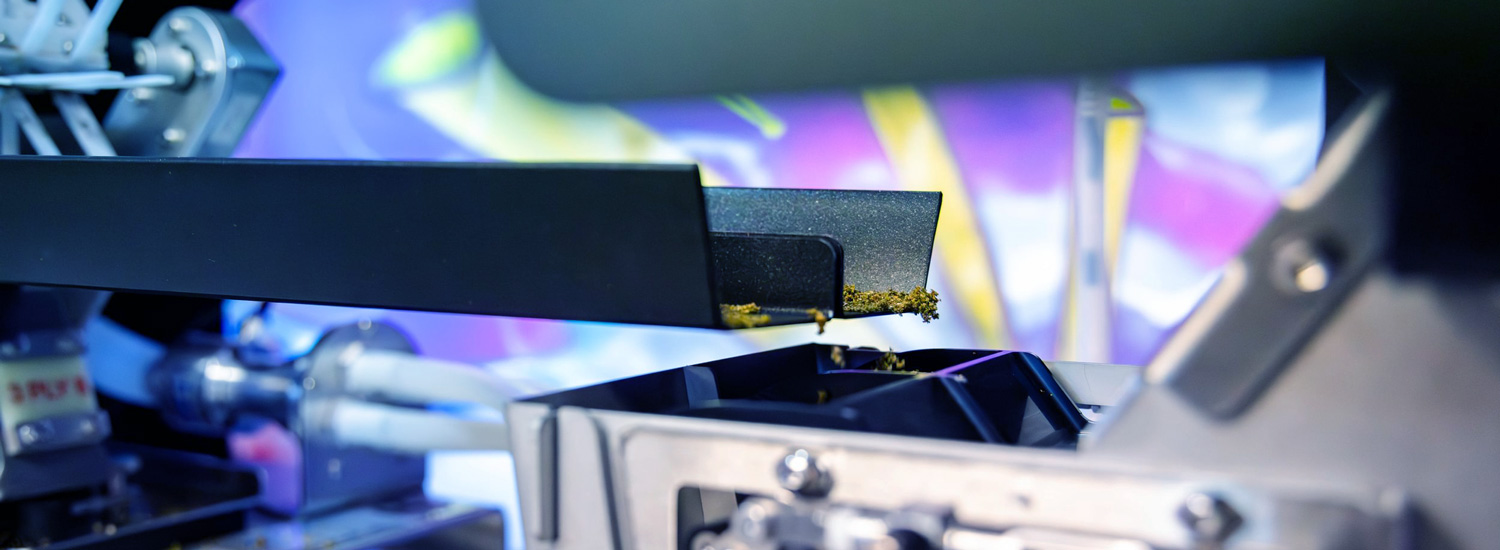
One of the most important factors in commercial pre-roll production is weight accuracy. Even the smallest inconsistencies can create compliance issues, customer complaints, and unnecessary product loss over time. Slight overfilling across thousands of joints can translate into significant revenue leakage each month for large-scale operators.
Higher variance rates than automated systems can be produced by manual rolling teams. Depending on the roller’s experience and workflow consistency, manually produced joints can vary anywhere from 0.05 to 0.15g or more. Although that fluctuations may not seem dramatic individually, it creates measurable operations inefficiencies across large production volumes.
Variance in fill density and weight distribution is dramatically reduced with automated systems. Most modern machines can maintain tolerances within ±0.02 grams when properly calibrated. Pre-roll manufacturing efficiency can be further improved with integrated sensors and weighing systems by catching inconsistencies before packaging.
Inconsistencies with weight affect more than just compliance. Overfilled joints reduce margins, and underfilled products damage customer trust. A spike in rejection rates can also increase labor time and material waste during rework.
Quality control remains essential, even with automation. Machines require regular weight test, ongoing calibration, and periodic audits to ensure accuracy remains within target tolerances. Automation combined with disciplined SOPs are used by successful operators to maintain consistent performance at scale.
Terpene Preservation in Automated Rolling — What Producers Need to Know

Flavor, aroma, and overall consumer experience are major roles played by terpenes. Terpene preservation in automated rolling has become a growing operational priority as premium cannabis brands continue to emphasize freshness and strain authenticity.
Several production factors can degrade terpene content during manufacturing, including:
- Excessive friction during grinding or filling
- Heat generated from machinery
- Prolonged oxygen exposure
- Repeated handling and material transfer
- Delays between grinding and packaging
Manual workflows can sometimes preserve terpenes more effectively during small-batch production because flower experiences less mechanical interaction. However, slower processing speeds may increase air exposure time, especially in larger manual operations.
The speed at which automated systems process flower can help reduce exposure to oxygen and environmental contaminants. On the other hand, equipment that’s improperly configured can generate friction or compression that negatively impacts delicate terpene profiles. That’s why, when it comes to commercial pre-roll production, machine settings and environmental controls matter so much.
Maintaining temperature-controlled production rooms, minimizing unnecessary material handling, optimizing machine speeds, and packaging product quickly after filling are all best practices used for protecting terpene integrity.
Terpene retention is increasingly influencing purchasing decisions as consumers start to become more educated on the subject. Strong terpene preservation in automated rolling can become a meaningful competitive advantage for premium brands that support both product quality and marketing claims.
Pre-Roll Manufacturing Efficiency: Speed, Cost, and Output Compared

When evaluating pre-roll manufacturing efficiency, producers need to look beyond headline production speeds. The real comparison involves labor costs, throughput consistency, downtime, rejection rates, and long-term scalability.
Manual workflows often produce between 100 and 400 joints per labor hour depending on team size and complexity. Automated systems can exceed several thousand units per hour with far fewer operators involved. For companies managing the mass production of pre-rolls, that difference dramatically changes production economics.
Here’s a simplified comparison:
- Manual production
- Higher labor dependency
- Lower startup investment
- Greater variability
- Better for limited runs and specialty products
- Automated production
- Higher upfront capital cost
- Lower long-term labor cost
- Higher throughput capacity
- Greater consistency at scale
Break-even points vary based on production volume. Many operators begin seeing automation advantages once monthly output reaches tens of thousands of units. At larger scales, labor savings and reduced product variance often justify equipment investment relatively quickly.
Hidden costs exist on both sides. Maintenance schedules, calibration downtime, and replacement parts are all introduced into the mix with automation. Manual processes carry ongoing training expenses, employee turnover challenges. And inconsistent output quality.
The best approach depends on where an operation sits today and where it plans to grow within the next several years.
Quality Control Differences Between Automated and Manual Production
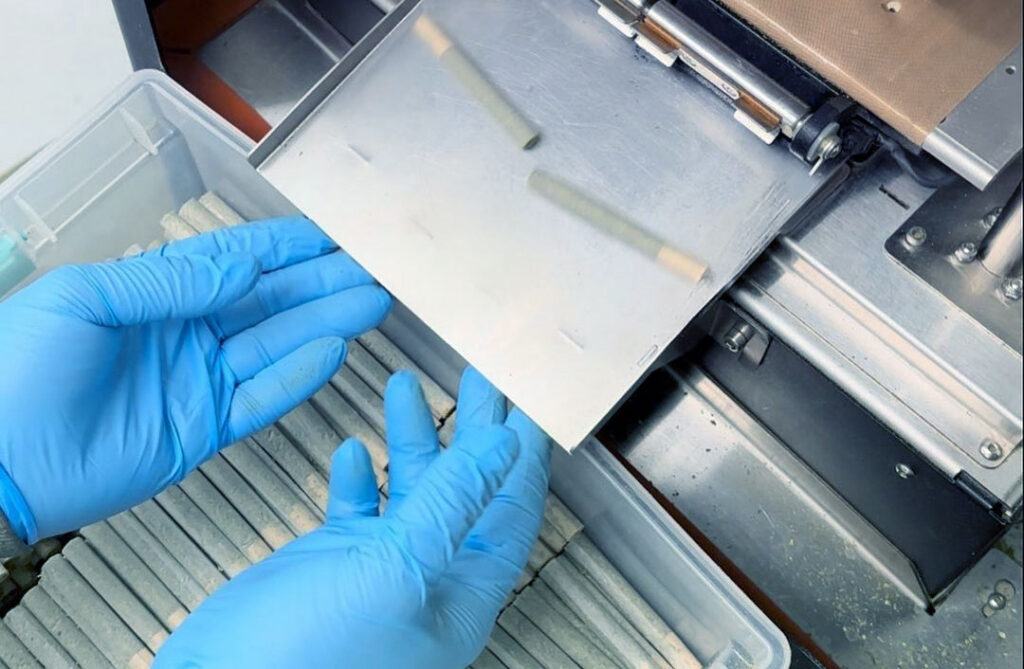
Quality control looks very different depending on whether a producer uses manual or automated workflows. In manual operations, QC relies heavily on employee skill, visual inspection, and hands-on evaluation throughout production. Teams typically check fill consistency, cone integrity, burn quality, and overall appearance during multiple stages of the process.
Because manual production depends so heavily on individual rollers, batch-to-batch variation is more common. Even experienced teams produce subtle differences in density, airflow, and pack consistency that can impact the final consumer experience.
Automated systems shift QC toward data-driven monitoring. Modern equipment may include integrated weight verification, sensor-based alerts, airflow testing, and vision systems capable of identifying improperly filled joints. These tools improve pre-roll manufacturing efficiency while reducing human error during commercial pre-roll production.
However, automation introduces its own risks. If a machine falls out of calibration, systematic errors can affect thousands of units before the issue is detected. That makes layered quality control essential.
Strong QC programs should include:
- Randomized weight audits
- Routine calibration checks
- SOP documentation
- Batch tracking and reporting
- Burn testing and airflow verification
The debate around automated vs manual joint rolling is not about eliminating quality control. It is about understanding where operational risks exist and building systems capable of identifying problems before products reach consumers.
Choosing the Right Approach for Your Pre-Roll Operation
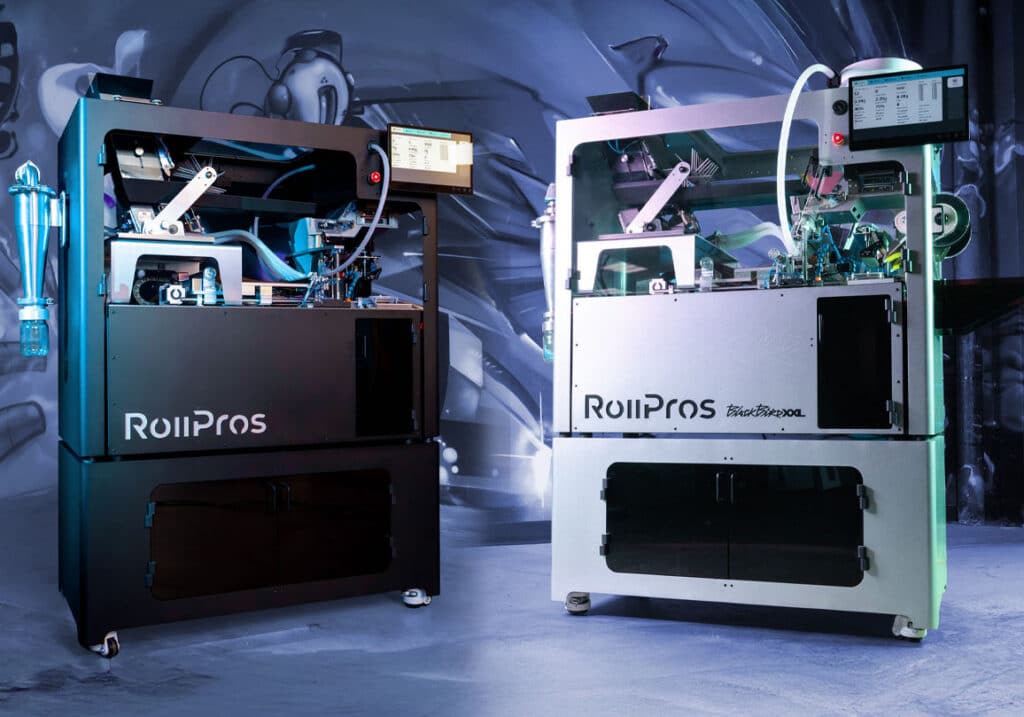
The right production method depends on several operational factors, including current output, growth goals, product positioning, and available capital. There is no universal answer in the automated vs manual joint rolling debate because every cannabis business operates at a different stage of scale.
Manual production often works well for:
- Craft-focused brands
- Small-batch specialty SKUs
- Limited production runs
- Businesses with lower startup budgets
Automation becomes increasingly valuable when operators need:
- Higher throughput capacity
- Consistent large-scale production
- Reduced labor dependency
- Better long-term pre-roll manufacturing efficiency
Many producers eventually adopt a hybrid model. Automation handles core high-volume SKUs while manual teams focus on specialty products, infused formats, or premium limited releases. This approach gives brands flexibility while supporting scalable commercial pre-roll production.
In practice, many successful cannabis companies evolve gradually over time. Operations frequently move from manual workflows to semi-automated systems before fully investing in high-capacity automated production lines for the mass production of pre-rolls.
The best production strategy is the one that supports current operational needs without limiting future growth. Whether manual, automated, or hybrid, the goal remains the same: producing consistent, compliant, high-quality pre-rolls efficiently enough to compete in an increasingly demanding market.