How to Calibrate a Pre-Roll Machine for Different Cone Sizes
A pre-roll machine calibration process is what separates consistent, shelf-ready joints from batches filled with weight variance, airflow problems, and wasted material. Even the smallest calibration mistakes can create thousands of defective pre-rolls before operators realize something is off when it comes to commercial cannabis production. Machine settings that were never properly adjusted for the cone size, flower density, or target weight being used is what most issues can trace back to.
Hitting a gram target isn’t the only thing that effective calibration is about. It’s important to make sure every cone burns evens, draws correctly, and meets compliance standards across the entire production process. That means accounting for cone dimensions, grind consistency, vibration settings, packing pressure, and material flow throughout the process.
Everything from setting up a pre-roll machine to dialing in reliable settings for different sizes and SKUs is broken down in this guide. Whether you’re troubleshooting inconsistencies on an existing line, or onboarding a new system, the goal is the same: repeatable output with less waste, fewer adjustments, and stronger quality control.
Why Pre-Roll Machine Calibration Matters — and What Goes Wrong Without It
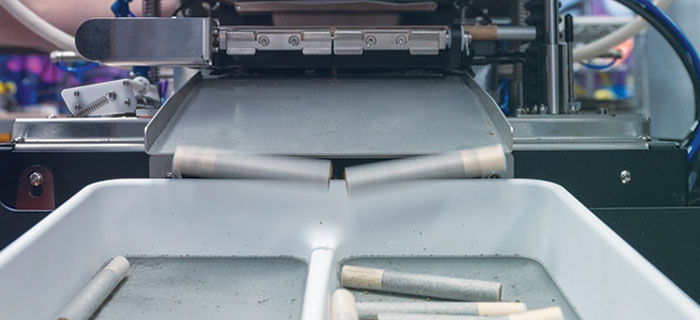
Pre-roll machine calibration is the process of aligning machine settings to the exact size, fill weight, flower consistency, and density requirements of a production run. It’s not a setup step that’s a one-time thing. Every single time an operator changes flower input, format, or production goals, the calibration should be verified again.
When calibration is off, the problems show up quickly:
- Underfilled or overweight cones
- Uneven packing density
- Cones splitting during filling
- Jamming in the tray or feed system
- Inconsistent burn rates and airflow
- Failed compliance checks due to label variance
Even a minor issue at low volume can become an expensive one at scale. A weight variance of 0.1g across 100 pre-rolls may not seem like an issue, but it can translate into pounds of lost flower or batches that fail tolerance requirements across 5,000 units.
Labor inefficiencies can also be caused by poor calibration. Operators can end up spending more time reworking trays, clearing jams, and manually correcting cones that should have been filled correctly the first time. Those slowdowns directly affect throughput and profitability for commercial producers who are using automated or semi-automated pre-roll production equipment.
A strong calibration process reduces waste, improves consistency, and creates a predictable production workflow. The rest of this guide walks through how to build that process step by step.
Understanding Pre-Roll Cone Sizes — What the Numbers Mean for Your Machine
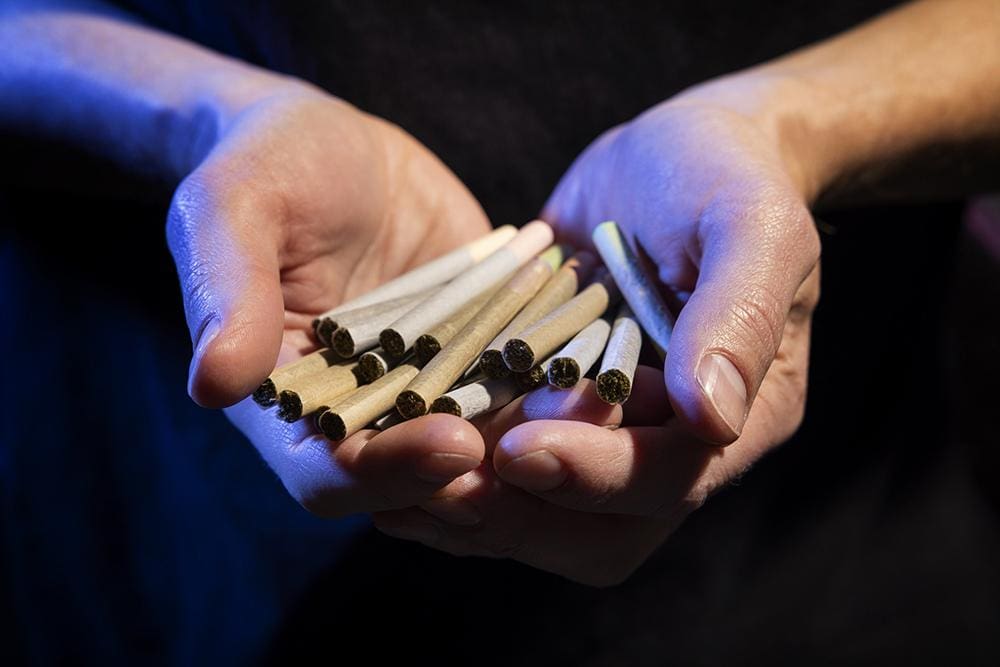
Commercial cannabis operators work with different pre-roll cone sizes, including:
- 84mm single-wide cones
- 98mm cones
- 109mm king-size cones
- 1g pre-rolls
- 1.5g infused formats
- 2g multi-pack or specialty cones
Different pre-roll cone sizes affect far more than appearance. Each size changes how flower flows, settles, and compresses inside the cone during filling. Two main variables drive calibration changes:
- Cone length
- Cone diameter and tip opening
Longer cones require more fill volume and often different vibration timing to distribute flower evenly. Wider cones change airflow and packing behavior, especially when working with coarser grind sizes or infused material.
Many operators assume a machine that supports multiple sizes can switch formats instantly. In reality, how to change the cone size in the machine involves more than swapping trays. Fill depth, vibration settings, packing pressure, and alignment components often need adjustment with every SKU change.
Cone material also matters. Two 109mm cones from different suppliers may behave differently because of paper thickness, rigidity, or filter construction. A thinner paper cone may collapse under aggressive vibration settings, while a stiffer cone could require additional settling time to achieve consistent density.
For operations running multiple SKUs daily, documenting verified settings for each format is critical. Instead of recalibrating from scratch every run, teams can reference validated settings tied to specific cone types, flower inputs, and target weights.
How to Set Up a Pre-Roll Machine — Initial Configuration Before Calibration Begins
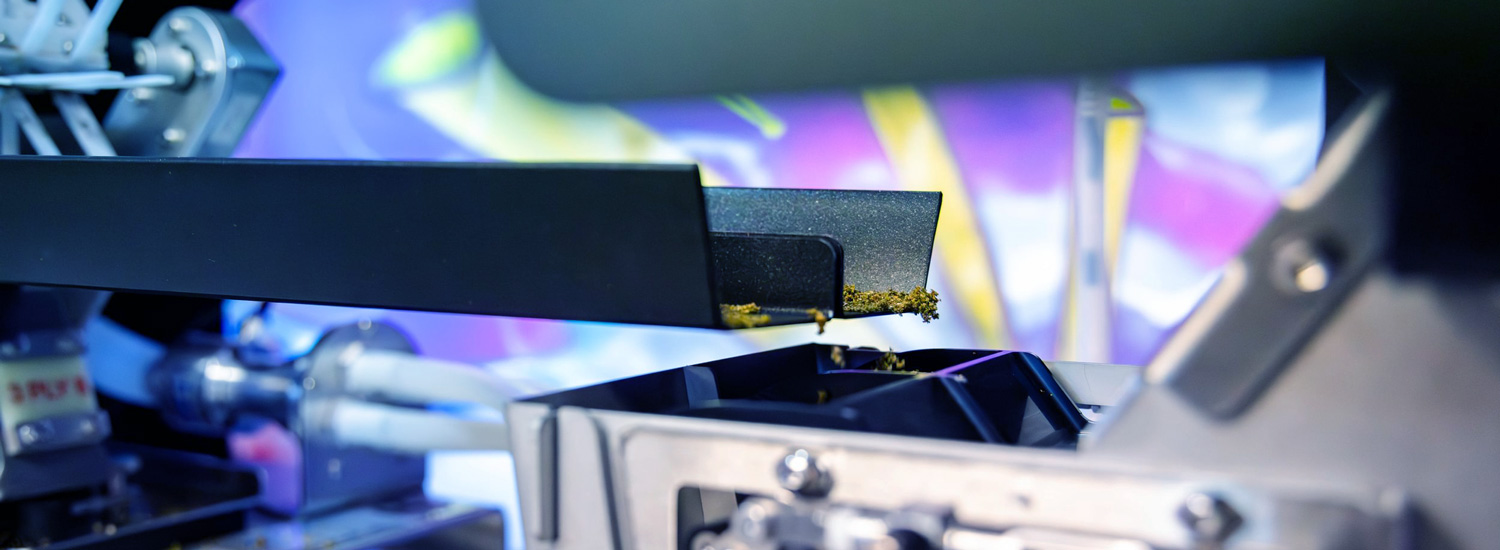
Before adjusting fill weight or density, operators need to make sure the machine itself is configured correctly. Proper setting up a pre-roll machine creates the foundation for every calibration step that follows.
The first priority is machine leveling. Even slight surface unevenness can create inconsistent fill distribution across the tray. On vibratory systems, one side may consistently fill heavier than the other if the machine is tilted even a few degrees.
Cone loading also matters more than many operators expect. Cones should sit uniformly in the tray with consistent seating depth and alignment. A poorly seated cone can create weight variance before the filling process even begins.
Grind consistency must also be checked before calibration starts. Calibration is only valid for a specific grind profile. If operators change grinder settings or flower moisture levels shift throughout the day, fill behavior changes too.
Before production begins, inspect:
- Filling trays and alignment plates
- Vibration plates
- Feed channels and augers
- Tamper systems or packing rods
- Cone guides and depth stops
A dry run or small test batch should always happen before full-scale production. Running 25 to 50 units allows operators to identify issues before wasting large amounts of flower or cones.
There is also a difference between setting up a brand-new machine and reconfiguring an existing line for a new SKU. New systems require baseline calibration development, while changeovers focus on validating previously documented settings.
No matter the machine type, how to set up pre-roll equipment properly determines whether calibration adjustments will actually produce reliable results.
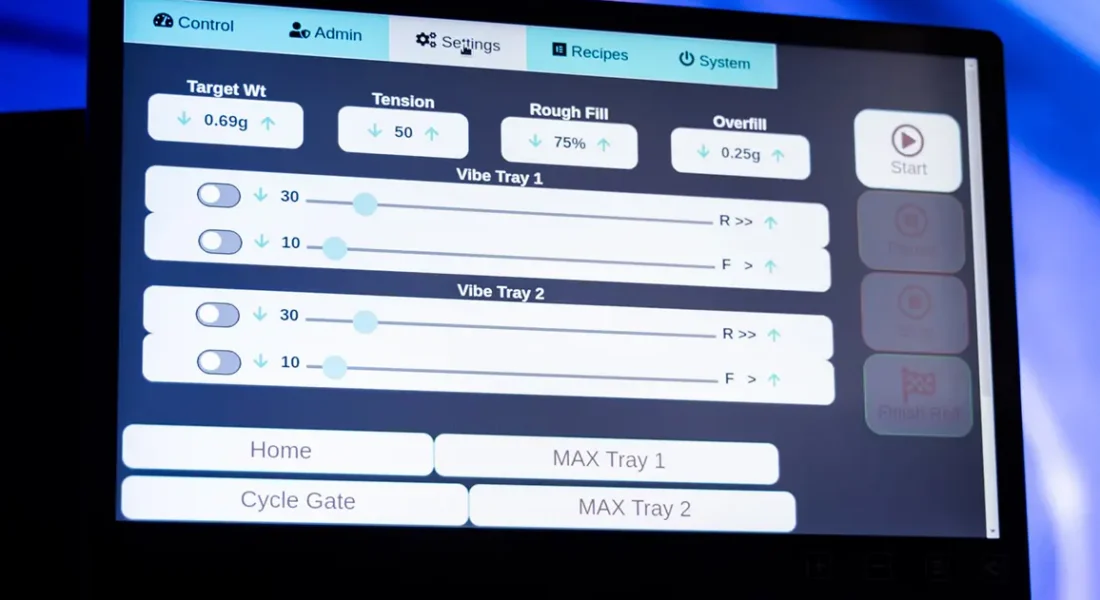
Adjusting Fill Weight and Dosage — How to Hit Your Target Gram Weight Consistently
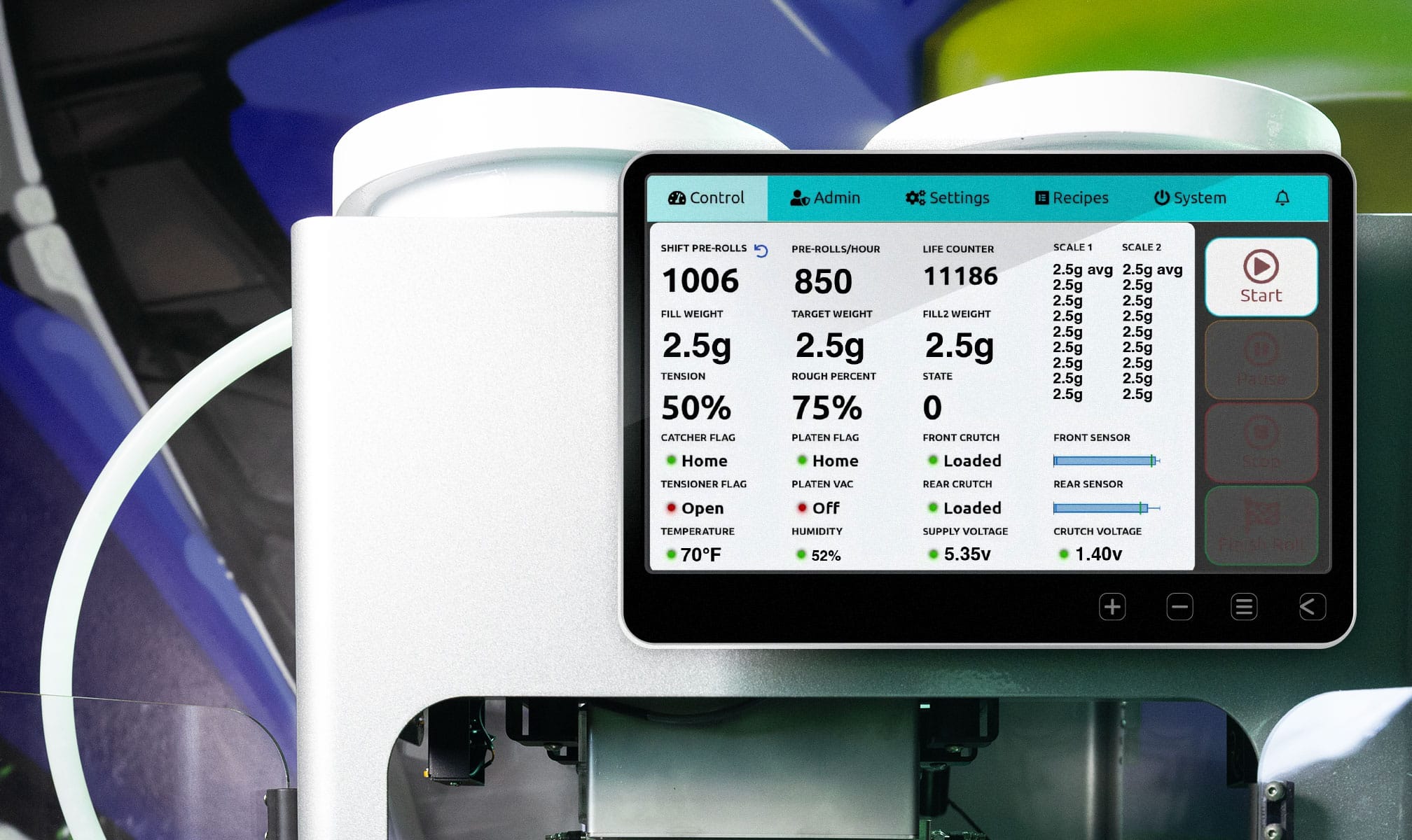
The core goal of pre-roll machine calibration is achieving consistent target weight across an entire production batch. That process depends on understanding the relationship between fill volume, flower density, and final gram weight.
Volume alone is not enough. A loose, fluffy grind may weigh significantly less than a dense grind occupying the same physical space. Operators must calibrate based on actual measured output, not estimated fill volume.
Different machine types control dosage differently:
- Vibratory systems adjust fill through vibration timing and tray depth
- Auger fillers control dosage through auger rotation or chamber volume
- Manual tray systems rely on fill guides and operator consistency
A standard calibration sequence usually follows these steps:
- Fill a small test batch
- Weigh every individual unit
- Calculate average weight and variance
- Adjust machine settings
- Repeat until output falls within tolerance

Most regulated cannabis markets allow a variance around ±0.1g or roughly ±10%, depending on jurisdiction and product size. Commercial operators often aim for tighter internal standards to reduce compliance risk and material loss.
Weight distribution patterns also reveal setup issues. If cones on one side of the tray consistently run heavier, the problem is often related to leveling or vibration consistency rather than dosage settings.
Flower density plays a major role as well. Drier or denser flower typically produces heavier fills per volume unit, while moisture-heavy material may settle differently during vibration.
Once operators achieve the correct dosage, the final settings should be documented immediately. Reliable records prevent unnecessary recalibration and make future SKU runs significantly faster when adjusting pre-roll dosage or adjusting pre-roll weight for repeat production.
Calibrating Packing Density — How Tight Is Too Tight, and How Loose Is Too Loose
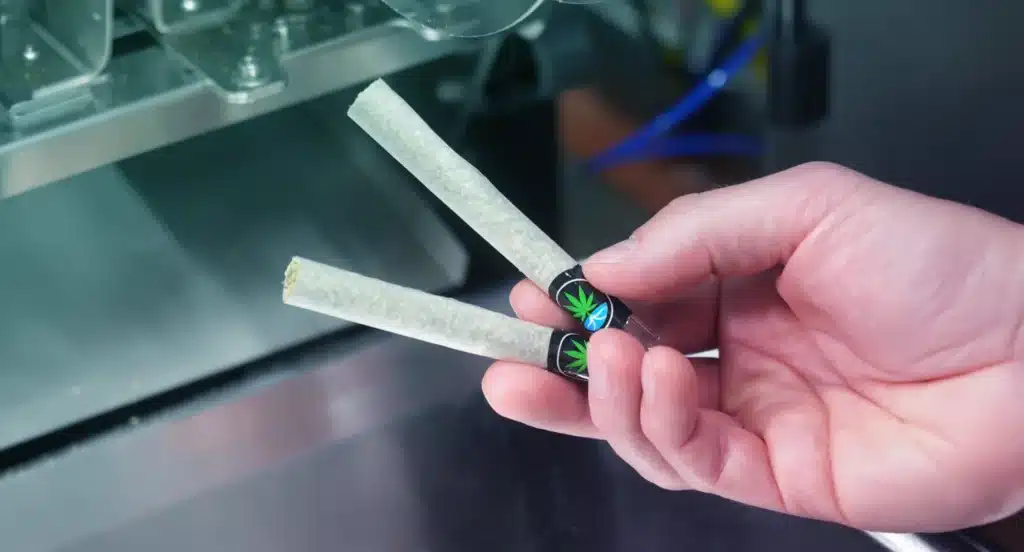
A pre-roll can hit its target weight and still perform poorly if pre-roll packing density is incorrect. Weight and density are related, but they are not the same variable.
Packing density refers to how tightly flower is compressed inside the cone. That compression directly affects:
- Draw resistance
- Burn rate
- Airflow
- Structural stability
- Overall smoking experience
Different machine types control density differently. Vibratory systems rely on vibration intensity and duration to settle flower into the cone. Auger and piston systems often use tamping pressure. Manual setups depend heavily on operator technique and packing rod consistency.

Incorrect density creates problems in both directions.
If density is too loose:
- Cones may canoe or burn unevenly
- Flower can fall out during handling
- Structural integrity decreases
- Burn temperature becomes inconsistent
If density is too tight:
- Airflow becomes restricted
- Draw resistance increases
- Lighting becomes difficult
- Consumers may experience harsh pulls
Many operators use a manual draw resistance test during calibration. A properly packed cone should allow smooth airflow without feeling hollow or overly compressed. Some commercial systems also use digital draw testing equipment for standardized QC measurements.
Environmental factors matter too. Moisture content, grind size, and cone paper all influence how flower settles during filling. A calibration profile that works perfectly on one cultivar may need adjustment when switching to another input material.
For most production teams, density becomes the final adjustment stage after fill weight is already locked in during the broader pre-roll machine calibration process.
How to Change Cone Size on a Pre-Roll Machine — Switching Between SKUs Without Losing Your Settings

SKU changeovers are one of the biggest sources of production inefficiency in cannabis manufacturing. Understanding how to change the cone size in the machine correctly helps reduce downtime, prevent waste, and maintain product consistency. Setting up a pre-roll machine to meet the requirement is crucial.
Switching cone formats usually requires adjusting or replacing several components:
- Filling trays or plates
- Cone alignment guides
- Depth stops or fill limiters
- Vibration settings
- Packing or tamping settings
A proper changeover process should follow a consistent sequence:
- Clear all remaining flower from the machine
- Clean trays and feed components
- Install the new size-specific hardware
- Load the new cone format
- Run a small setup batch
- Verify weight and density before production begins
Skipping validation is where most problems start. Operators often assume previous settings will transfer directly between formats, but even small differences in cone diameter or paper rigidity can affect fill behavior.
Many commercial teams use calibration cards or digital settings logs tied to each SKU. These records typically include:
- Cone size and brand
- Target fill weight
- Verified vibration settings
- Density adjustments
- Flower type or grind specification
A well-organized production line can often complete a verified cone size changeover in 15 to 30 minutes. Without documented procedures, the same process may take over an hour while operators troubleshoot inconsistencies on the fly.
For facilities running multiple different pre-roll cone sizes, every format should be treated as its own validated machine configuration rather than a simple accessory swap.
Calibration for Different Machine Types — Vibratory, Auger, and Manual Systems
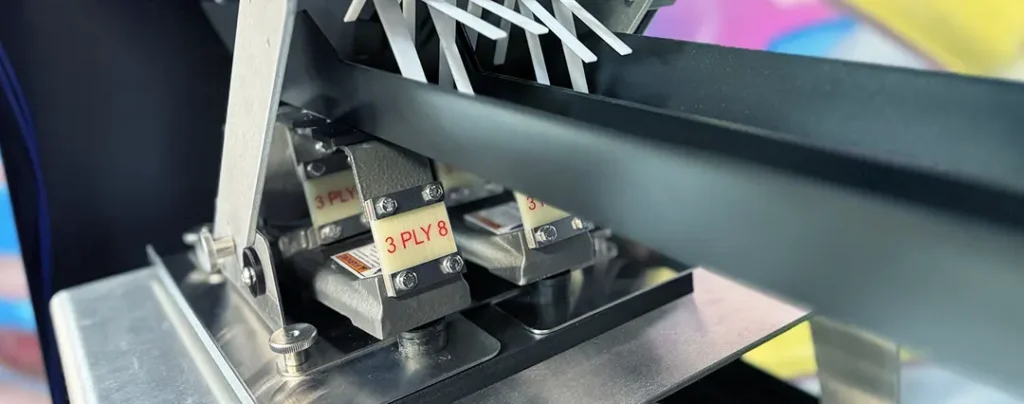
While the principles behind pre-roll machine calibration stay consistent, the actual adjustment process changes depending on machine design.
Vibratory tray systems are the most common format in cannabis production today. These systems use controlled vibration to settle flower evenly into cones. Operators typically adjust:
- Vibration frequency
- Vibration duration
- Tray angle
- Fill depth
Small changes can significantly affect both fill weight and density. For example, increasing vibration time may improve settling but also create tighter packing density.
Auger and volumetric systems work differently. Instead of relying primarily on vibration, these machines control dosage through auger rotation count or measured fill chambers. Density adjustments usually happen through separate tamping or settling systems after filling.
Manual and semi-manual tray systems require a different calibration mindset altogether. Operator technique becomes a major variable, especially when using packing rods or hand tamping tools. Because of this, manual systems generally produce higher variance compared to automated pre-roll production equipment.
Large-scale inline systems add another layer of complexity. Many commercial automated machines use PLC-controlled settings that allow operators to store and recall calibration profiles digitally. These systems can improve consistency but often require more advanced technical knowledge during setup and troubleshooting.
Operators should always reference machine-specific documentation when learning how to set up pre-roll equipment. Wear on older or refurbished machines can also affect calibration accuracy, even if settings appear correct on paper.
Troubleshooting Calibration Problems — How to Diagnose and Fix Common Output Issues
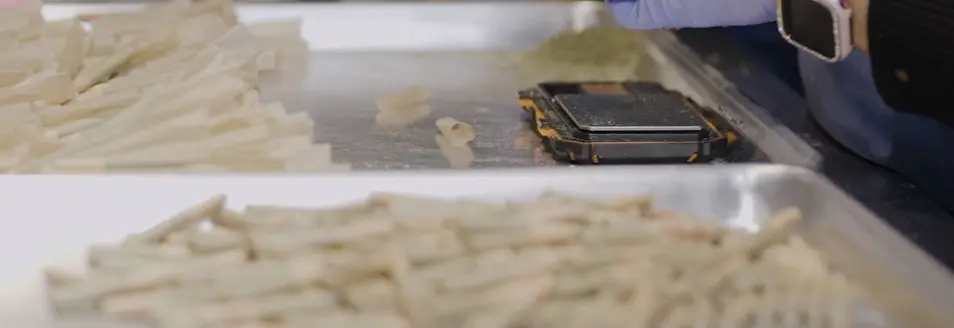
Most calibration problems follow recognizable patterns. The key is diagnosing the root cause before making random adjustments that create additional inconsistencies.
Underfilled cones
Possible causes:
- Fill depth too shallow
- Vibration duration too short
- Grind too fine, restricting flow
Corrective actions:
- Increase fill depth incrementally
- Extend vibration time slightly
- Inspect grind consistency
Overfilled or bursting cones
Possible causes:
- Fill depth too deep
- Cone size mismatch with tray
- Grind too coarse for efficient settling
Corrective actions:
- Reduce dosage settings
- Verify tray compatibility
- Adjust grind profile
High weight variance across a tray
Possible causes:
- Machine not level
- Uneven vibration distribution
- Moisture-heavy flower clumping during fill
Corrective actions:
- Re-level the machine
- Inspect vibration plates
- Break up or dry overly sticky material
Cones too tight to draw
Possible causes:
- Excessive packing pressure
- Overly fine grind
- Density settings too aggressive
Corrective actions:
- Reduce vibration or tamp pressure
- Adjust grind size
- Run draw resistance tests on sample units
Canoeing or uneven burns
Possible causes:
- Loose density
- Inconsistent grind
- Improper flower moisture levels
Corrective actions:
- Increase settling or tamping slightly
- Standardize grinder settings
- Re-check moisture consistency
When troubleshooting pre-roll packing density or weight issues, operators should always begin with measurement and adjusting pre-roll weight. Re-weighing a test batch, inspecting grind consistency, and evaluating draw resistance creates traceable adjustments that improve output without introducing new variables. These steps are all important in pre-roll machine calibration.
Building a Calibration Protocol — How to Document Settings and Maintain Consistency Across Runs

Strong calibration practices become far more valuable when they are documented and repeatable when setting up a pre-roll machine. A formal pre-roll machine calibration protocol turns individual operator knowledge into a scalable production system.
A complete calibration document should include:
- Machine ID or serial number
- Cone size and cone supplier
- Flower strain or input specifications
- Grind settings and moisture range
- Target fill weight and tolerance
- Density settings
- Draw resistance validation
- Date of calibration verification
- Operator sign-off
Production logs should connect every run to a validated settings profile. This creates traceability for internal QC and supports compliance documentation in regulated cannabis markets.
Calibration should also be re-validated regularly, including:
- After machine maintenance
- After changing cone suppliers
- After switching flower inputs
- On scheduled quality review intervals
Documented protocols also improve onboarding. New operators can reproduce validated settings without relying on verbal instructions or trial-and-error adjustments.
For facilities scaling production, calibration documentation is not administrative busywork. It is what allows pre-roll production equipment to produce consistent, compliant output across thousands of units with minimal waste and fewer production interruptions.