Building a High-Volume Pre Roll Production Facility
As the cannabis industry expands, one of the smartest moves an operator can make is building a high-volume pre roll production facility. Convenience, predictable dosing, and strong repeat purchase behavior are just some of the reasons why pre-rolls continue to gain shelf space. These categories create a practical path to scale with fewer barriers than many infused or extraction-based products for brands focused on growth. That makes it a common next step for teams learning how to start a pre roll company with long-term potential.
Adding cones and flower to a room are just two of the steps necessary to reach success. High-output operations typically require efficient workflows, reliable automation, documented quality systems, and a clear compliance strategy. Facilities that can increase capacity without sacrificing consistency are the strongest types of cannabis manufacturing companies. Layout planning and equipment selection, all the way to staffing, packaging, and profitable expansion are all key decisions that are covered in this guide. If you’re looking to build smarter and move faster, this is the perfect place to start.
Why High-Volume Pre Roll Production Is a Smart Business Move
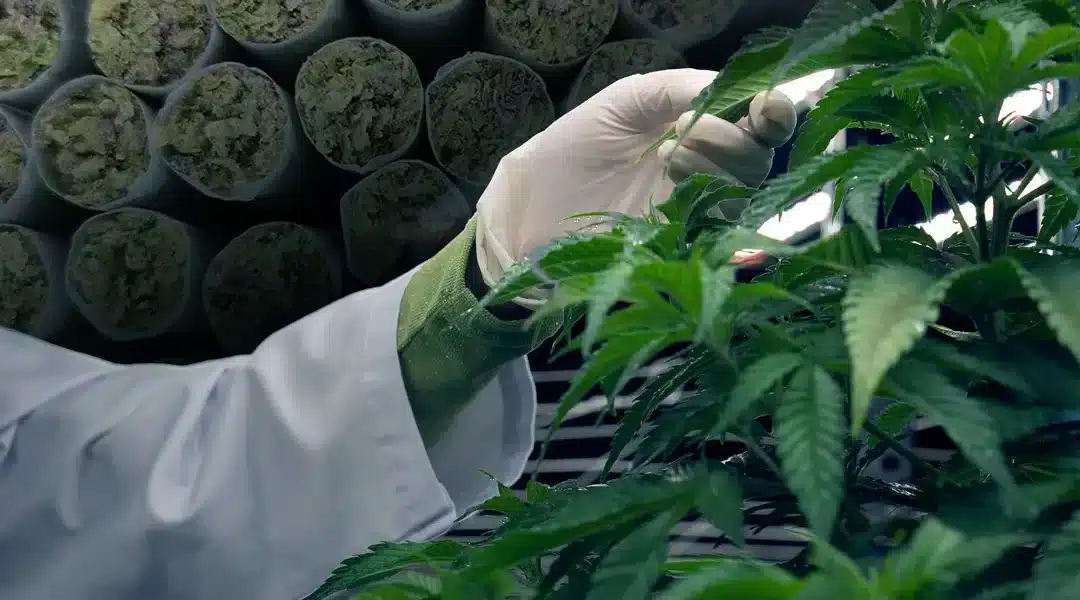
Cannabis brands have access to one of the most active product categories in legal markets with high-volume pre roll production. Pre-rolls rank among the top-sell segments in many states because they’re convenient for experienced buyers and approachable for new consumers. When you give buyers the option to choose between single units, multipacks, and infused formats, you create multiple pricing tiers, which helps brands reach broader audiences.
Small manual operations are often outperformed by dedicated production facilities. Although hand-packed setups may work at launch, labor costs rise quickly and output can become inconsistent. Standardized processes, calibrated equipment, and controlled workflows are used by purpose-built facilities which helps to support faster turnaround times and lower waste
Margins are consistently improved with scaling. Fixed costs such as rent, utilities, and management are spread across more units when throughput increases. Brands can secure retail placements, maintain inventory, and compete with larger cannabis manufacturing companies when they have strong execution.
The opportunity is pretty clear for entrepreneurs who are researching how to start a pre roll company. Scalable facilities aren’t just about volume, they’re about building a business that retailers trust to consistently deliver.
Planning Your Pre Roll Production Facility Layout

A strong facility layout is the foundation of efficient pre-roll production. Every movement of people, materials, and finished goods affects speed, labor cost, and compliance. Smart pre roll production facility design reduces unnecessary handling while creating a clean path from intake to shipment.
Most high-volume facilities separate operations into core zones:
- Raw material intake and quarantine
- Milling and preparation
- Filling and weighing
- Closing, inspection, and packaging
- Finished goods storage
- Secure waste handling
Cross-contamination is prevented with this separation along with an easier to track inventory. It also supports state reporting systems used in cannabis manufacturing environments.
Workflow matters just as much as square footage. Flower will move forward instead of backtracking across rooms when equipment is placed in logical sequences. A team’s workspace should have enough aisle space for carts, maintenance access, and packaging materials without crowding the production lines.
Scalability should be planned early. Leaving room for a second filler, additional packaging lanes, or expanded storage can save major renovation costs later. Many operators outgrow their first layout faster than expected.
Finally, facility plans must align with local fire codes, security rules, sanitation standards, and cannabis regulations. A productive floor plan only works when it also passes inspection.
Essential Cannabis Manufacturing Equipment for Pre Roll Production
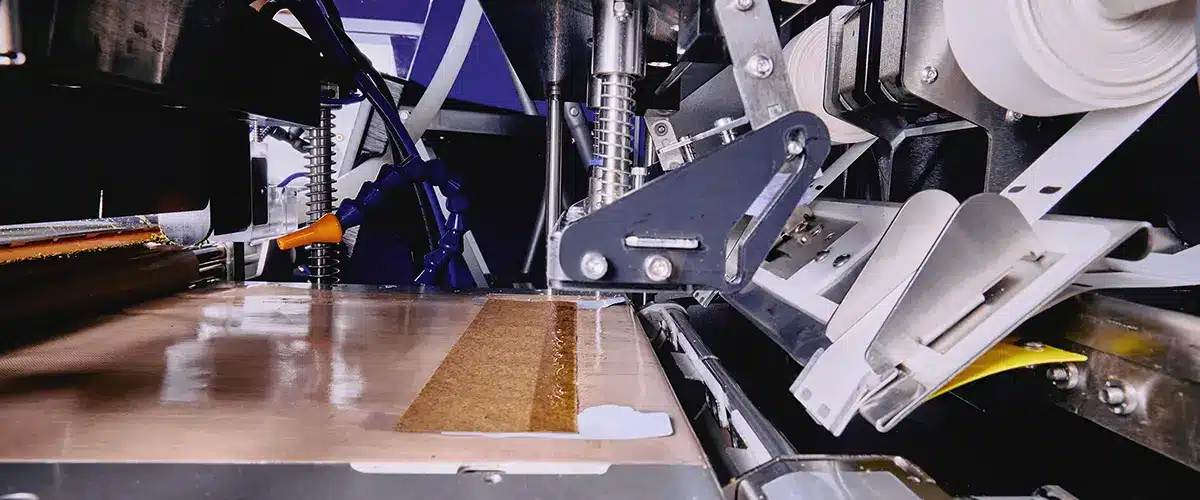
How fast and how consistently a facility can run is all determined by the right cannabis manufacturing equipment. Each machine should solve a specific bottleneck while fitting into the larger workflow with high-volume pre roll production.
Core equipment often includes:
- Milling systems for consistent particle size
- Automated cone loaders
- Precision filling machines
- Checkweighers and scales
- Closing or twisting stations
- Conveyors for material flow
- Packaging and labeling systems
- Dust collection and air handling equipment
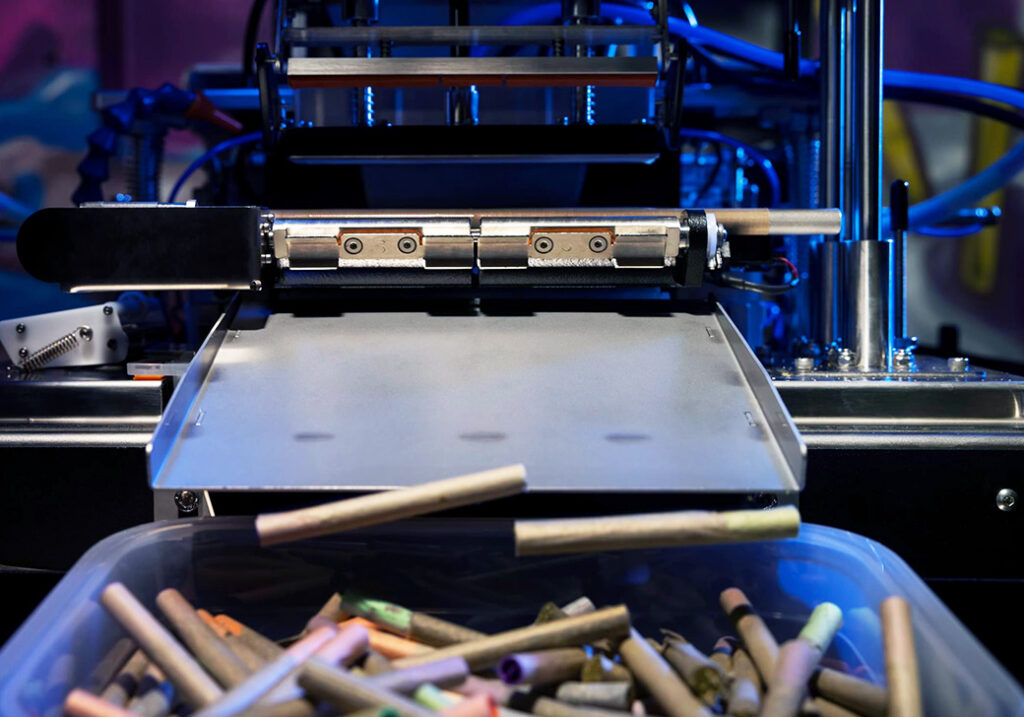
For example, automated filling systems can produce thousands of units per shift compared with a fraction of that output from manual labor. That difference directly impacts labor cost per unit and delivery timelines.
When evaluating equipment, focus on three factors:
- Proven production capacity
- Reliability and service support
- Integration with upstream and downstream processes
A machine that runs fast but causes downtime elsewhere can slow the entire line. The best systems work together, creating steady throughput from flower prep to final carton.
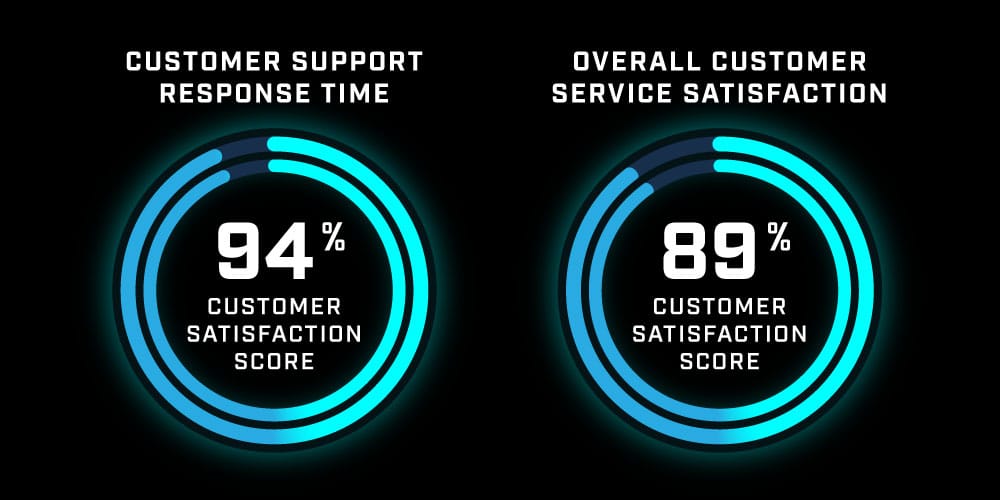
At RollPros, many operators prioritize precision because fill weight consistency protects margins and supports consumer trust. In pre-roll production, small variances multiplied across thousands of units can become expensive quickly.
Cannabis Manufacturing Compliance: What You Need to Know
Licenses, revenue, and brand reputation are all protected by strong cannabis manufacturing compliance practices. Industry regulators hold facilities to a high standard where they’re expected to clearly document operations and maintain control over every single gram of inventory from intake all the way through sale.
Most facilities need to manage several key areas:
- State and local licensing approvals
- Facility inspections
- Security and camera requirements
- Written SOPs for production and sanitation
- Employee training records
- Seed-to-sale tracking systems such as Metrc
- Recall readiness and lot traceability
Failure in any of these areas can have costly consequences. Penalties may include fines, product holds, mandatory recalls, or license suspension, depending on the market. Even the smallest reporting mistake can trigger audits that disrupt production.
Rather than treating it as a separate task, the best operators will build compliance into their daily workflows. Successful production teams will reconcile inventory at each stage, log deviations immediately, and verify labels before product ever leave the floor.
Since cannabis regulations vary by state, operators who are expanding must review each individual market separately. Rules on storage, transportation, testing, and packaging often differ. That’s just one of the many reasons why disciplined systems matter so much across growing multi-state brands.
For teams navigating cannabis business regulations, consistency is often the strongest defense.
Navigating Cannabis Packaging Regulations for Pre Rolls

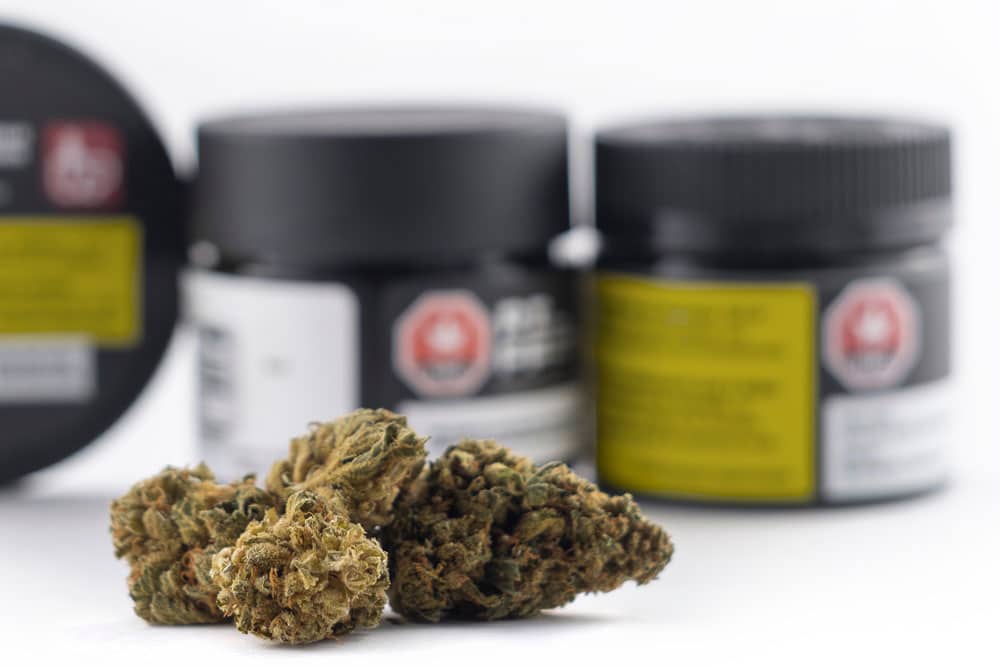
Packaging rules can shape profitability just as much as production speed. Protecting customers, preventing youth access, and ensuring accurately labeled products are what cannabis packaging regulations are designed for. For any sort of pre-roll brand, that means making packaging decisions early on rather than after production starts.
Most markets require:
- Child-resistant primary packaging
- Tamper-evident features in some states
- Batch and lot identification
- THC warnings and required symbols
- Ingredient or material disclosures when applicable
- Accurate net weight or unit count
- No misleading health claims
Variations across states is the real challenge here. If a package is approved in one market, it may require changes in another due to font size, language warning, or even symbol placement. Delays can be created if artwork is not reviewed in advance.
Shipment rejections, relabeling costs, and regulatory penalties are all caused by non-complaint packaging. If old packaging becomes unusable, that can also create inventory write-downs.
To avoid these issues and efficiently scale your production, it’s important to source packaging partners who understand cannabis manufacturing compliance and can handle repeat orders with reliable lead times.
When it comes to high-volume pre-roll production, packaging isn’t even the last step. It’s just part of the operating system.
Cannabis Marketing Regulations Every Pre Roll Producer Should Know
More than just shelf presence is required when selling pre-rolls. Brands also need to navigate cannabis marketing regulations. This can limit how and where their products are promoted. Despite the fact that rules vary widely, enforcement is becoming more active in many markets.
Common restrictions include:
- Age-gating audiences
- Limits on billboard or outdoor placement
- Restrictions on paid social advertising
- No unverified health or medical claims
- No imagery designed to appeal to minors
- Disclosure requirements for promotions or contests
Brands often rely on owned channels such as email, SMS where allowed, retailer partnerships, in-store merchandising, and organic social content because so many mainstream ad platforms restrict content related to cannabis.
Awareness can still be built with a compliant strategy. Positioning that fits legal guidelines like product education, brand values, quality standards, and lifestyle are what need to be focused on. Aggressive claims will rarely ever perform better than clear messaging.
Mistakes like reposting user content without review, making unsupported potency promises, or ignoring local disclaimers are common. However, these efforts can create risks under broader cannabis business regulations.
Treating cannabis regulations as creative boundaries rather than roadblocks are how the strongest brands stay afloat. Consistent execution and smart positioning still win buyer attention.
Staffing and Workflow Optimization for High-Volume Pre Roll Production
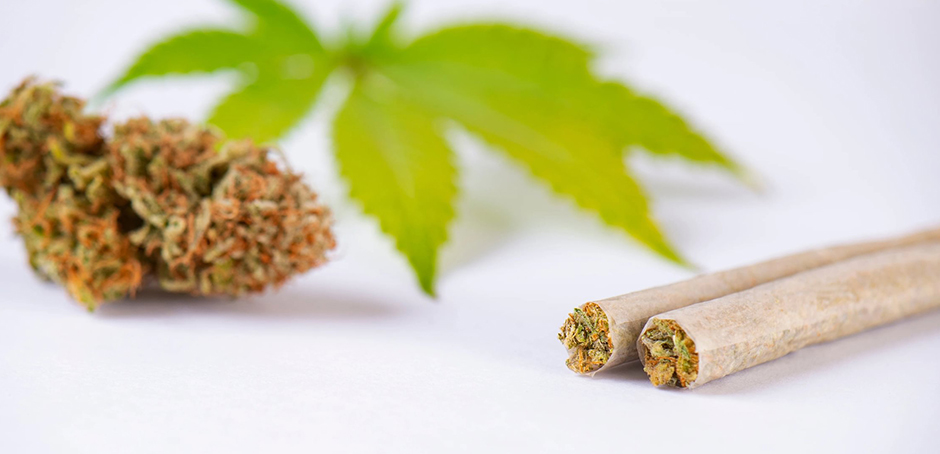
People and process determine whether a line performs consistently. Even advanced equipment needs trained teams to sustain efficient pre roll production across multiple shifts.
A typical staffing model may include:
- Production manager
- Line leads
- Machine operators
- Quality assurance technicians
- Packaging associates
- Inventory and compliance staff
- Maintenance support
Clear responsibilities reduce confusion during busy runs. Operators should know startup checks, escalation procedures, cleaning schedules, and changeover steps before production begins.
Shift planning is equally important. Many facilities run staggered labor models where prep teams start early, production teams run peak hours, and sanitation closes the day. This increases machine uptime without overstaffing every hour.
Workflow optimization often comes from small fixes:
- Pre-stage cones and packaging materials
- Standardize batch sizes
- Track downtime reasons daily
- Cross-train employees for coverage
- Use automation where repetition slows output
The best balance combines labor and machinery. Skilled people solve problems, protect quality, and adapt quickly. Automation handles repetitive volume. That combination is why leading cannabis manufacturing companies scale faster than manual competitors.
For founders learning how to start a pre roll company, team structure matters as much as equipment selection.
Scaling Your Pre Roll Business: From Startup to High-Volume Producer
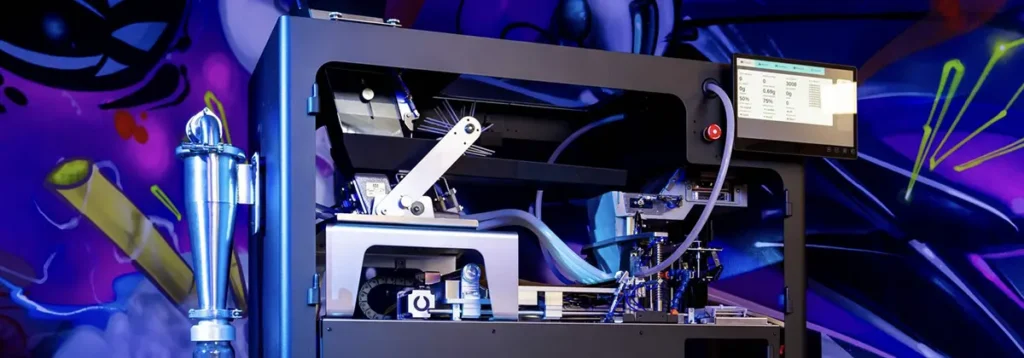
Growth in pre-roll production usually happens in stages. Few brands launch with a massive facility on day one. The most successful operators build systems early, then expand capacity as demand proves itself.
A practical roadmap often looks like this:
- Secure licensing and local approvals
- Launch with focused SKUs and controlled output
- Invest in automation as sell-through grows
- Expand facility space or add second lines
- Increase retail distribution and regional reach
- Strengthen forecasting and supply chain controls
Each milestone introduces new complexity. More volume means tighter inventory controls, stronger SOPs, and better maintenance planning. It also increases the importance of cannabis manufacturing compliance because errors scale with production.
Quality cannot drop during expansion. Consumers notice inconsistent burn, poor fill weights, or packaging issues quickly. Retailers notice late deliveries even faster.
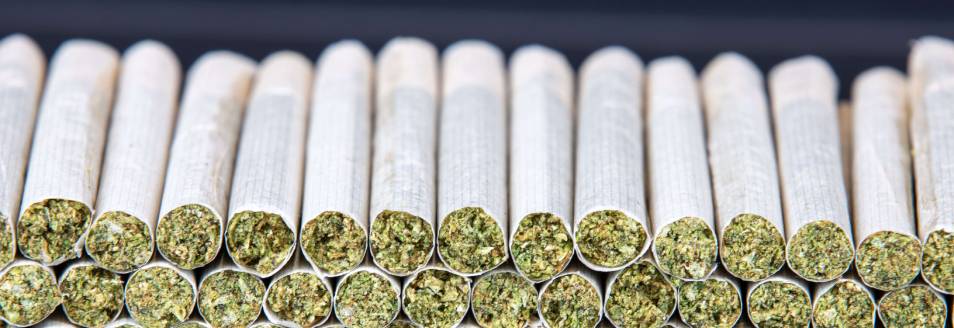
Long-term winners combine brand demand with operational discipline. They know how to start a pre roll company, then evolve into serious cannabis manufacturing businesses built for sustained margins.
High-volume capacity creates leverage. It can improve purchasing power, support new product launches, and position a brand to compete when markets mature.