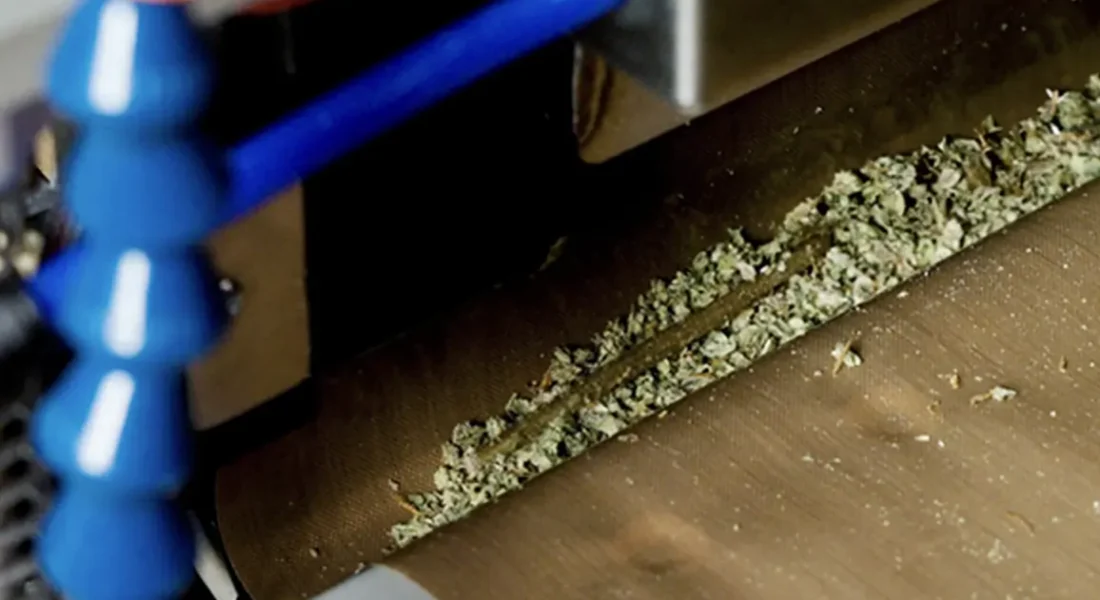
Infused Pre Rolls and the Equipment Required to Produce Them
One of the fastest growing in-demand categories in the cannabis retail space is infused pre rolls. Stronger effects, more flavorful experiences, and premium products that go beyond a standard joint are what consumers seem to be looking for. That demand is pushing brands to innovate with oils, hash, kief, live resin, and even solventless concentrates that elevate both the potency and product appeal.
High-quality infused pre roll production is far more complex than just filling a cone. Concentrate application, consistency, burn quality, and the packaging itself all depend on having the correct workflow and equipment in place. Even the most premium ingredients can lead to clogged airflows, uneven burns, and inconsistent potency between units without a proper system.
This guide breaks down what is an infused pre roll, how to make infused pre rolls, the different concentrate options available, and the equipment required to produce them efficiently at scale. Understanding the production side of infusion is critical for long-term success, whether you’re just building your first SKU or expanding an existing line.
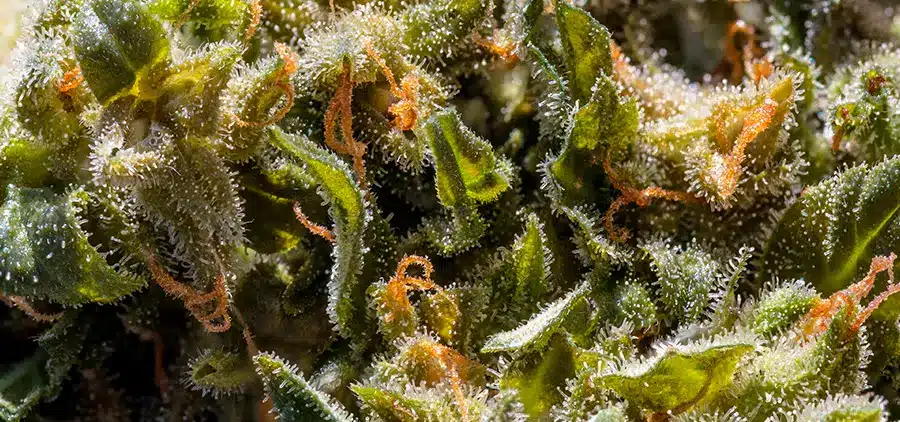
What Is an Infused Pre Roll? Definition, Types, and Why They’re Different
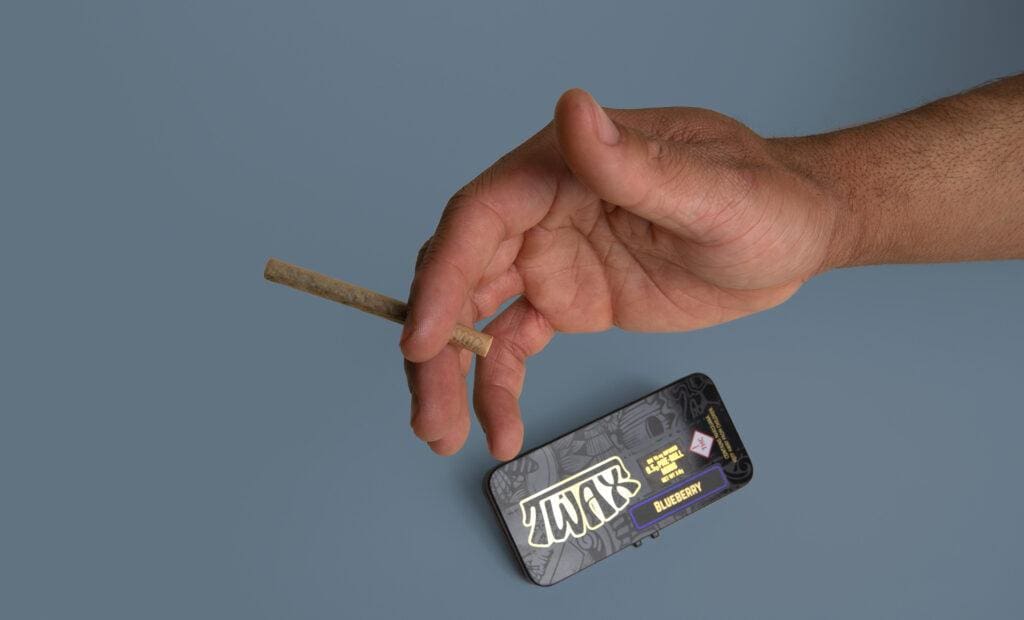
What is an infused pre roll you might ask? Well at its core, it comes down to one thing: a pre roll enhanced with concentrates in addition to the ground flower. Infused products incorporate things like oils, hash, wax, live resin, rosin, or kief to increase potency and alter the overall experience, unlike the traditional joints that contain only milled flower.
Despite the fact that there are subtle differences between them, many consumers use terms interchangeably like infused joint, caviar joint, or diamonds and sauce pre rolls. A caviar joint typically includes flower coated in oil and rolled in kief, while diamonds and sauce products use THCA crystals combined with terpene-rich extract. In general, what is infused pre roll mean refers to any pre roll containing added cannabis concentrates.

There are three primary infusion methods used in production:
- Internal infusion, where concentrate is blended directly into the flower
- External infusion, where oil or extract coats the outside of the cone
- Hybrid infusion, which combines both methods
Infused products often test significantly higher in potency than standard pre rolls, with many products reaching 40% THC or higher depending on formulation. That premium experience allows brands to command higher retail prices and position infused SKUs as top-shelf offerings.
Understanding what is infused pre roll production also means understanding the operational challenges behind it. Concentrate behavior, filling consistency, and burn performance all become more difficult once infusion is added to the process.
Types of Concentrates Used in Infused Pre Rolls — and How Each Affects Production
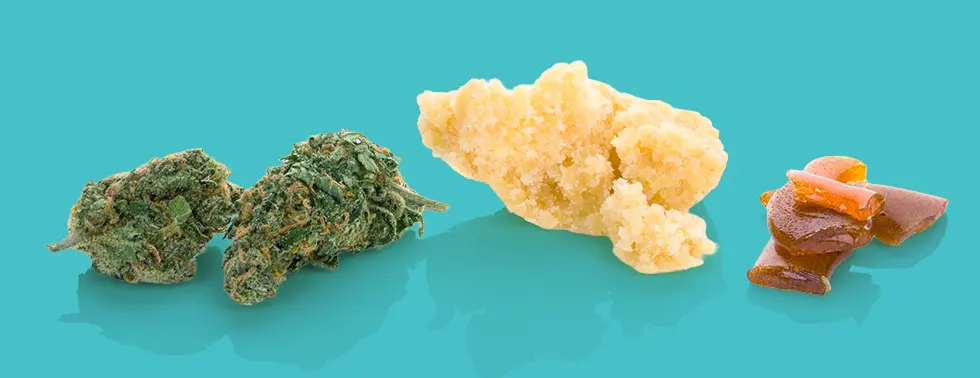
Concentrate types used throughout production have a major impact on both the quality and manufacturing complexity of a product. Each extract behaves differently during application, storage, and combustion, which means equipment selection becomes just as important as formulation.
Common infused pre roll concentrates include:
- Distillate
- Live resin
- Live rosin
- Wax and shatter
- Bubble hash
- Dry sift hash
- Kief
- Diamonds and sauce
Predictable viscosity and high THC concentration make distillate one of the easiest concentrates to work with. The way it flows through injection systems and coating equipment make it common in large-scale production environments.

The viscosity of live resin can vary depending on extraction methods and temperature control despite the fact that it offers strong terpene profiles and a more flavorful experience as a whole. Live rosin and solventless extracts are significantly harder to handle in automated production because of their thicker consistency and sensitivity to heat, but they are gaining popularity in premium markets.
Dry concentrates like kief and hash are usually applied through tumbling or dusting systems after an oil layer is added to the outside of the pre roll. Products like diamonds and sauce create premium positioning but require more precise dosing equipment and additional handling steps.
Many brands ask the question, what is an infused pre roll? For those brands, concentrate selection is not only a product-development decision, but also an operational one. The chosen extract directly affects labor requirements, throughput speed, equipment costs, and final retail pricing.
How to Make an Infused Pre Roll — The Core Production Process Explained
Understanding how to make infused pre roll products starts with building a repeatable production workflow. While every manufacturer has slight variations, most infused pre roll lines follow the same core sequence.
1. Flower Selection and Grinding
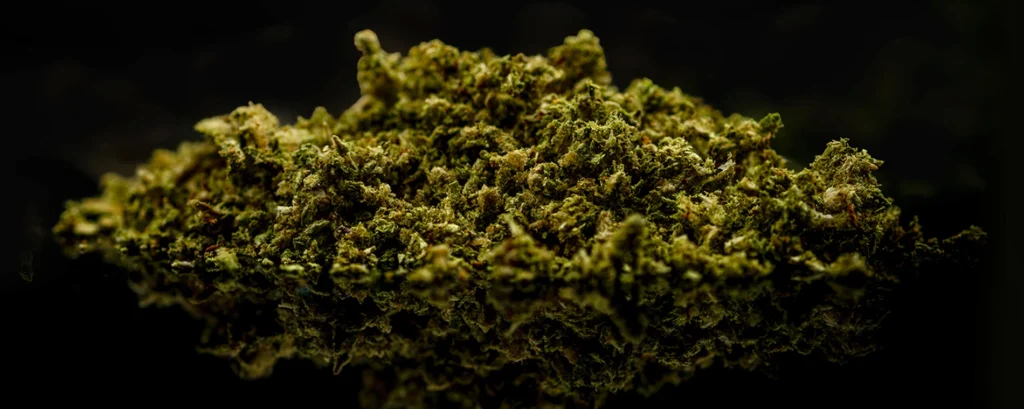
Cannabis flower is first selected based on moisture content, terpene profile, and particle consistency. Commercial grinders must produce a uniform grind size. Flower that is too fine restricts airflow, while oversized material causes uneven burns and inconsistent packing density.

2. Cone Filling
Ground flower is loaded into pre roll cones using manual trays, semi-automatic systems, or fully automated cone-filling machines. Accurate fill weights are critical because infusion adds additional mass to the final product.

3. Concentrate Application
This stage varies depending on the infusion method. Internal infusion blends concentrate directly into the flower before filling, while external infusion applies oil or extract to the outside of the cone after filling.

4. Kief or Hash Coating
Many infused products add a final layer of kief or dry sift through tumbling systems or manual dusting stations.

5. Twisting or Capping
Pre rolls are sealed using automated twisting systems or hand-finishing methods.

6. Inspection and Packaging
Final products undergo quality inspection for weight, appearance, airflow, and burn consistency before packaging.
Brands researching how to make my own infused pre roll often start with manual production, but consistency becomes difficult as volume increases. Uneven concentrate distribution, clogged airflow, and poor combustion are common failures without proper process controls and specialized equipment.
Core Equipment for Infused Pre Roll Production: From Grinders to Cone Fillers
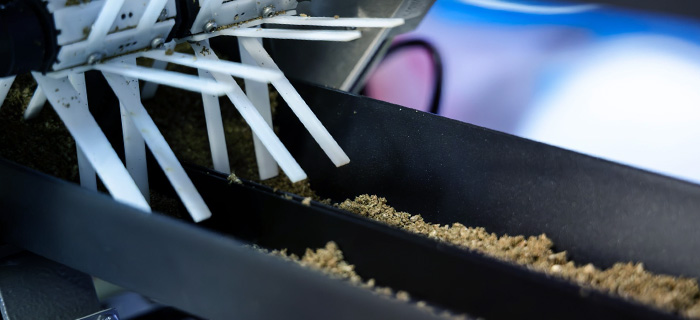
Before concentrate application even begins, manufacturers need reliable base production equipment. The quality of the initial fill directly affects how well infused products perform during coating, tumbling, and smoking.
Commercial grinders are one of the most important pieces of infused pre roll production equipment. Consistent particle size improves airflow, packing density, and combustion performance across every unit. Industrial shredders and grinders are designed to minimize powder while maintaining throughput capacity.
Cone-filling equipment generally falls into three categories:
- Manual filling systems
- Semi-automatic cone fillers
- Fully automated production lines
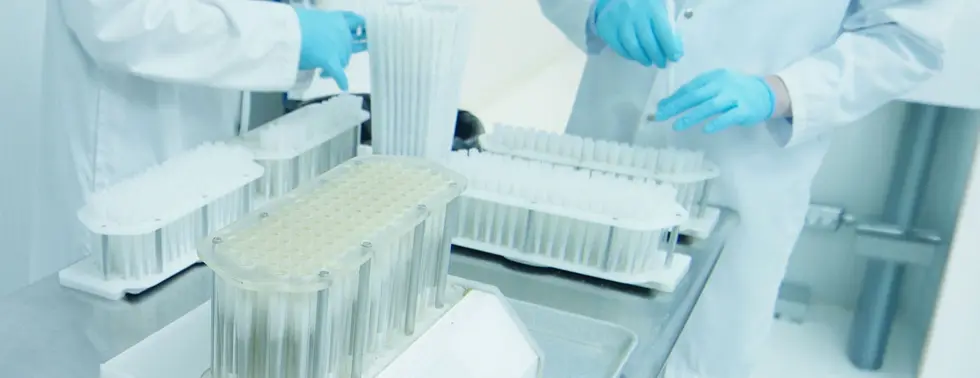
Manual systems work for startups producing small batches, while automated systems are designed for commercial-scale throughput exceeding thousands of units per shift. Equipment compatibility also matters because brands often produce multiple cone formats including:
- 1g cones
- 1.5g cones
- 2g cones
- King size pre rolls
Smaller operators learning how to make infused pre roll products often rely on pre-roll trays, packing rods, and hand-finishing tools. While these systems lower startup costs, they also increase labor and reduce consistency.
Scalable production planning is critical. Equipment designed for 500 units per day typically cannot support 10,000-unit production targets without creating bottlenecks in filling speed, inspection, or concentrate application.
Concentrate Application Equipment: Injectors, Coating Systems, and Tumblers

Concentrate application is the technical center of infused pre roll manufacturing. The type of application system used depends heavily on concentrate viscosity, batch size, and desired product style.
Internal injection systems include:
- Heated syringes
- Peristaltic pump injectors
- Automated oil injection rigs
Heated syringes are common in small-batch production and allow operators to manually inject oils into filled cones. Peristaltic pumps improve dosing consistency and are frequently used in mid-scale production. Automated rigs increase throughput significantly and can process thousands of units per hour depending on viscosity and nozzle configuration.
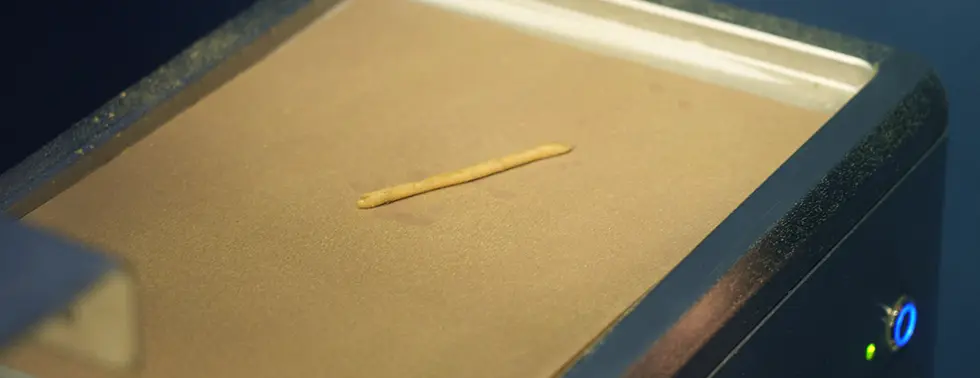
External coating systems apply oil to the outside of pre rolls before dry concentrate is added. Automated coating stations create more consistent coverage than hand application, reducing waste and improving visual uniformity.
Kief and hash tumblers use rotating drums to evenly distribute dry concentrates onto coated pre rolls. Drum speed, mesh size, and rotation time all affect coating density and product appearance. Inconsistent tumbling often leads to patchy coverage or excessive concentrate loss.
High-viscosity extracts like rosin and wax require heated applicators with controlled temperature ranges to maintain flow without degrading terpene content. Overheating concentrates can negatively impact flavor and texture.
For operators researching infused pre roll equipment, production scale matters heavily. Entry-level setups may cost only a few thousand dollars, while fully automated infusion systems can exceed six figures depending on throughput and automation level.
Many premium products combine multiple infusion techniques, including oil coating, kief tumbling, and decorative hash crowns for additional visual appeal and potency.
Small-Batch vs. Commercial-Scale Infused Pre Roll Production — What Equipment Do You Actually Need?
Not every cannabis operator needs a fully automated production line. The right equipment stack depends on production volume, labor availability, and long-term business goals.

Craft or Small-Batch Production
Typically under 500 units per day, small-batch operations rely heavily on manual labor. Common equipment includes:
- Manual grinders
- Filling trays
- Hand tampers
- Heated syringes
- Small tumblers
This setup works well for brands experimenting with how to make my own infused pre roll products or launching limited-edition SKUs. Startup costs remain relatively low, but consistency challenges increase as output grows.

Mid-Scale Production
Operations producing between 500 and 5,000 units daily often use semi-automated systems. These facilities may add:
- Automated cone fillers
- Peristaltic injection systems
- Motorized tumblers
- Conveyor inspection stations
Semi-automation improves throughput while keeping labor costs manageable.

Commercial-Scale Production
Large operators producing over 5,000 units per day typically require fully automated filling, dosing, coating, and packaging systems. These facilities prioritize consistency, repeatability, and production speed above all else.
Manual production can support artisan branding and handcrafted positioning, but scaling introduces operational risks. Automation improves consistency and lowers per-unit labor costs, though it requires significant capital investment and trained operators.
When sourcing infused pre roll production equipment, manufacturers should evaluate:
- Equipment support and service availability
- Cleaning and maintenance requirements
- Expandability for future growth
- Integration compatibility across production stages
For many brands, leasing equipment during early expansion phases helps preserve capital while validating demand.
Quality Control in Infused Pre Roll Production — What to Measure and Why
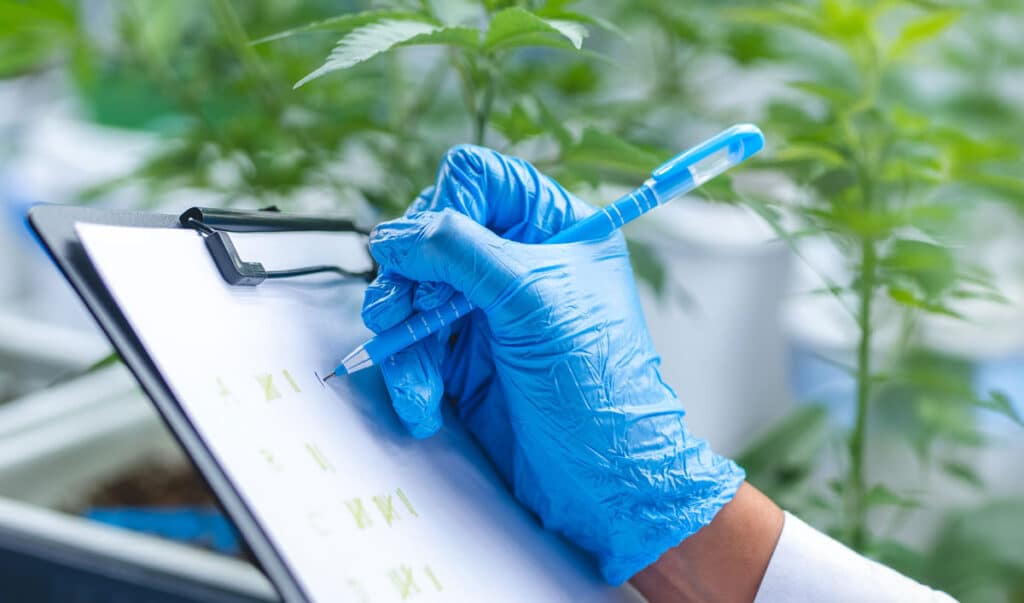
Quality control becomes significantly more complex once concentrates are introduced into pre roll manufacturing. Standard flower and cannabis extracts behave differently during filling, coating, and combustion, which means every production stage requires tighter monitoring.
Key QC checkpoints in infused pre roll production include:
- Cone weight before filling
- Final fill weight
- Concentrate weight per unit
- Coating consistency
- Moisture content
- Burn performance
Even small deviations can create major product issues. Overfilled cones may clog airflow, while inconsistent concentrate application can cause uneven burning or potency variation between units.

Burn testing is especially important for infused products. Operators monitor:
- Draw resistance
- Canoeing
- Ash consistency
- Combustion speed
Internal concentrate distribution is one of the hardest variables to verify without destructive testing. Many manufacturers rely on batch sampling, automated dosing controls, and standardized operating procedures to maintain consistency at scale.
Strong quality control also supports cannabis packaging compliance requirements. Many state regulations require final potency testing on infused products, not just raw concentrates. Inaccurate dosing can lead to failed lab results, labeling problems, or product recalls.
For premium brands, QC is not just a compliance measure. It directly impacts customer retention, repeat purchases, and long-term reputation.
Packaging Infused Pre Rolls: CR Requirements, Freshness, and Brand Presentation

Packaging plays a larger role in infused products because concentrates introduce additional sensitivity to heat, oxygen, and moisture exposure. The higher retail value of infused SKUs also raises consumer expectations around presentation and protection.
Like traditional pre rolls, infused products must meet child resistant cannabis packaging requirements under PPPA standards and state-level cannabis regulations. However, oils and terpenes can interact with certain plastics, adhesives, and liners over time, making material compatibility especially important.
Common packaging formats include:
- CR glass tubes
- Mylar pouches with CR zippers
- Multi-pack rigid boxes
- Airtight pop-top containers
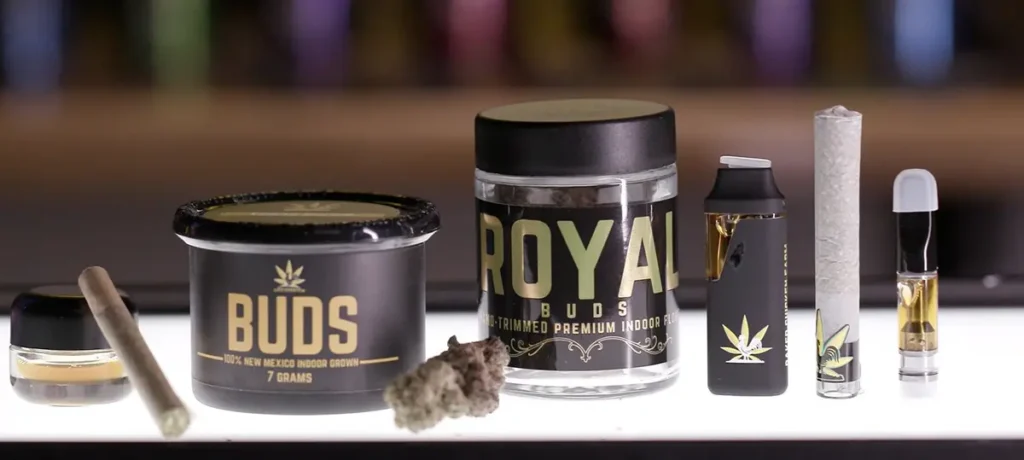
Freshness preservation is another major consideration. Infused products are more vulnerable to oxidation and terpene degradation than standard flower-only pre rolls. Many operators use nitrogen flushing, humidity control packs, and airtight seals to extend shelf life and maintain flavor integrity.
Packaging also signals market positioning. Premium glass tubes and rigid multi-pack formats communicate higher-end branding, while flexible pouches often prioritize cost efficiency and portability.
From a compliance standpoint, labels for infused products often require:
- Concentrate type disclosure
- Total cannabinoid content
- Infusion method identification
- Batch and testing information
Strong packaging strategy supports both product preservation and cannabis packaging compliance. In many ways, packaging becomes the final quality-control checkpoint before the product reaches consumers.