How Much Does It Really Cost to Produce a Pre Roll at Scale
As the cannabis industry matures, pre-rolls have quickly become one of the fastest-growing cannabis flower products on the market. What began as a straightforward product has developed into a sophisticated category where efficiency, automation, and consistency drive profitability. Brands that are taking part of the pre-roll space have gone from simply competing on product alone, to how efficiently they can manufacture their joints at scale. Operations decisions from sourcing flower to finding the best packaging all play a role in determining a brand’s margins and how successful they are as a business.
So how much does it cost to make a pre roll across different production models? Well this guide provides the real pre roll manufacturing cost breakdown and walks through the questions every brand is asking. Automation, throughput, and workflow design are variables that influence the cost per pre roll in a large scale production, and this guide will explore all of that. Cannabis operators can make informed decisions about scaling their production process while maintaining quality across their cannabis flower products once they start to understand these variables.
Why Pre Roll Production Costs Matter for Cannabis Brands
Convenience and accessibility are two of the main reasons why pre-rolls have skyrocketed and become one of the most profitable cannabis flower products on the market. Ready-to-use formats are valuable to consumers, which has consistently driven demand across both the medical and recreational markets. Pre-rolls account for 10 to 20 percent of total flower sales in mature market states, with infused options creeping their way to the top and pushing that share even higher. This demand creates strong revenue potential, but only for brands that can control pre-roll production costs.
One of the most important factors as markets continue to grow more competitive is cost efficiency. Saturated states where supply outpaces demand is compressing wholesale pricing. So how much does it cost to make a pre roll? Brands that don’t understand those costs risk losing margin or pricing themselves out of the market entirely. Operators will stay more competitive when their pre-roll production is efficient and their product quality is consistent.
Like an industry, additional challenges can occur when scaling production. Labor management, equipment investment, and compliance requirements are all things that brands need to be mindful of. As production volume increases, inefficiencies and mistakes become more costly and are much harder to correct. Growing competition is pushing operators to refind their workflows, reduce waste, and increase throughput to maintain a sustainable business over time.
Pre Roll Manufacturing Cost Breakdown

Several key components that impact profitability make up a detailed pre roll manufacturing cost breakdown. Each input contributes to the final cost per unit, and small inefficiencies can significantly affect margins when scaled.
The primary cost factors include:

Cannabis flower input cost:
Accounting for 40 to 70 percent of total production cost, flower is the largest cost driver. Pricing for flower varies widely depending on the quality, level or trim and shake, as well as the conditions of the market itself. It often ranges from $200 to $1,200+ per pound.

Labor in manual pre roll production:
With workers producing anywhere between 100 and 300 pre-rolls per hour, hand-rolled production requires skilled labor. The cost of that labor can range from $0.20 to $0.60 per unit depending on wages and efficiency.

Filter tips and rolling paper:
Costing between $0.03 and $0.10 per unit, materials depend on quality and volume purchasing agreements.

Packaging and labeling:
Child-resistant packaging, tubes, and multi-pack formats can add $0.20 to $1.00 per unit depending on branding and compliance needs.

Quality control and compliance costs:
Batch tracking, regulator compliance, and testing all introduce additional overhead costs that need to be favored into production as well.
Small-batch operations often experience higher per-unit costs due to lower purchasing power and inefficiencies. On the other hand, larger-scale facilities benefit from the economy, but in turn, they have to manage higher operations complexity. Downtime, product loss, and inconsistent fill weights are all hidden costs that can increase the cost per pre roll in larger scale production if they aren’t addressed through optimized pre roll production systems.
Labor vs Automation in Pre Roll Production
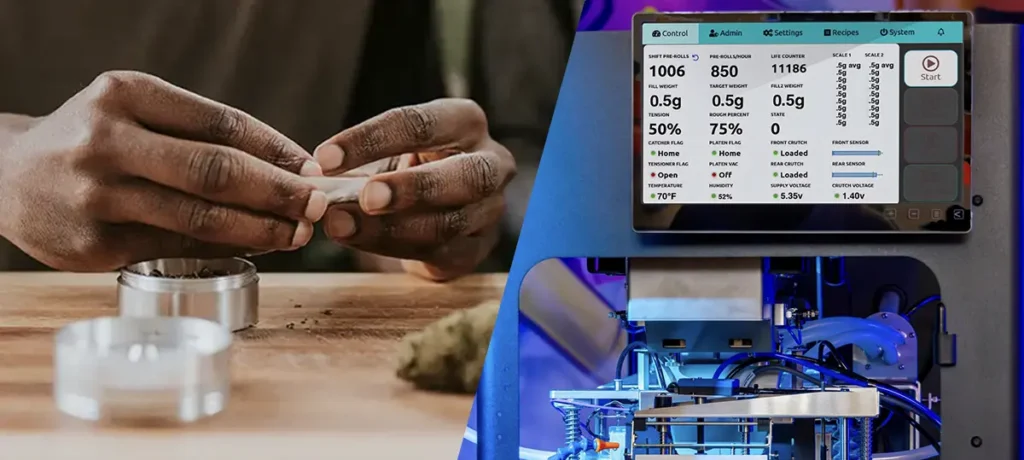
Brands attempting to scale with manual pre-roll production present with clear operational limitations. Even the most well trained teams can struggle to maintain consistent output, and fatigue can lead to variability in density, weight, and the overall pre-roll quality. Inconsistencies like that can result in product rework or waste, which in turn increases the production cost over time.
Manual systems are also affected heavily by labor expenses. If a team has five workers, they may produce anywhere from 2,000 to 5,000 pre-rolls per day, depending on the workflow design and skill level. But when wages, training, and management overhead are factored in, labor becomes one of the most expensive components of a company’s pre-roll production. Difficulties like this make it tough to maintain competitive pricing in high-volume markets.
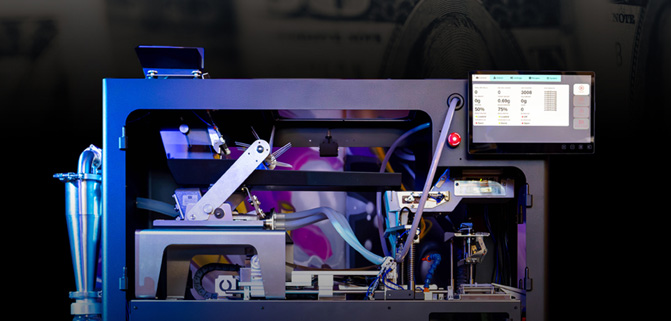
Automation transforms production efficiency by creating consistent processes and boosting the overall output. Automated pre roll machines can produce thousands of joints per hour all while maintaining consistent fill weights with minimal human intervention. Not only does this reduce the reliance on labor, but it also improves product uniformity as a whole.
When comparing costs, automated systems significantly reduce the cost per pre roll in large scale production. While manual production may cost $0.50 to $1.50 per unit in labor and inefficiencies, automated lines can reduce that figure to under $0.10 per unit. This shift is a key driver behind the industry’s adoption of automation.
Automated Pre Roll Machine Cost and ROI

Cost for the automated pre roll machine varies depending on capacity, speed, and level of automation. Simpler entry-level machines can start around $25,000, while more advanced, high-capacity systems can exceed $250,000. Capability, automation features, and overall system integration are all components that reflect the price difference.
Several factors influence equipment pricing:
- Production capacity:
Higher-volume machines capable of producing 5,000 pre-rolls per hour are significantly more expensive than machines producing only 500 per hour. - Automation level:
Fully automated systems with integrated filling, weighing, and packaging features command higher prices. - Build quality and reliability:
Industrial-grade machines require less maintenance over time as they’re designed for continuous operation.
Differences on throughput also have a direct impact on profitability. High-capacity systems can produce tens of thousands of pre-rolls per day, whereas manual labor may only produce a couple hundred to a few thousand. The increase with automation allows brands to scale efficiently without proportional increases in labor costs.
The ROI for automated machines is often realized within 6-18 months. Reduced waste, labor cost savings, and improved consistency all contribute to faster payback periods. Automation is becoming a critical component of scalable pre roll production for brands who are focused on long-term growth.
Cost Per Pre Roll in Large Scale Production

Large scale production cost per pre roll is dependent on several interconnected variables. Operators have to learn how to balance input quality, production efficiency, and operations costs in order to achieve optimal margins.
Key factors include:
- Cannabis flower input quality and price:
Product value may be increased with premium flower, but so is the production cost. Material that is lower-grade may reduce costs, but it can also impact a brand’s reputation. - Labor vs automation:
Automated systems reduce labor costs and improve consistency, lowering overall unit cost. - Machine efficiency:
Downtime, maintenance, and calibration directly affect output and cost efficiency. - Waste reduction:
Loss of material during grinding, filling, and packaging can significantly increase costs if not managed properly. - Packaging and compliance costs:
Branding choices and regulatory requirements for packaging add variability to the final price.
Cost per pre roll in large scale production typically ranges from $0.50 to $2.00 depending on the above variables. Operations utilizing automation and optimized workflows can achieve costs on the lower end of this range.
Unit economics is improved when scaling production by spreading fixed costs across higher output volumes. Facilities that are producing hundreds of thousands of pre-rolls per month can benefit from bulk purchasing, streamlined workflows, and reduced per-unit overhead. Those factors create stronger margins and allow for more competitive pricing for cannabis flower products.
How Cannabis Brands Reduce Pre Roll Production Costs
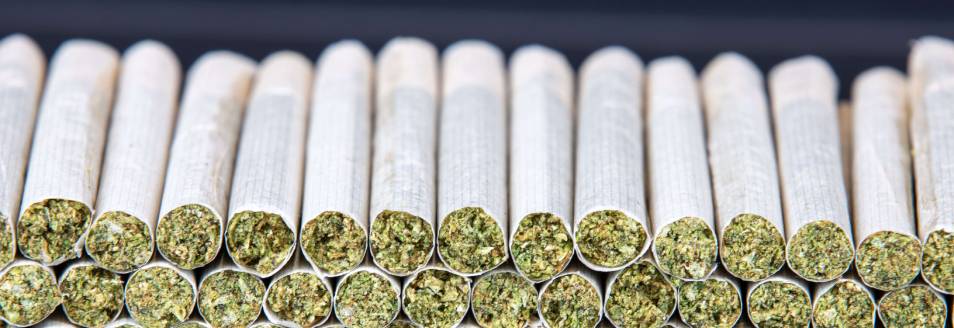
Pre roll manufacturing costs can be reduced by cannabis brands by focusing on efficiency through every stage of their production process. Optimizing those processes not only lowers costs, but it also improves product consistency and scalability.
Key strategies include:
- Optimizing cannabis flower processing:
Improved fill consistency and reduced waste is helped by grinding properly and controlling moisture content. - Implementing automated production lines:
Labor costs and variability are lowered and throughput is increased with the use of automation. - Improving workflow efficiency:
Downtime and unnecessary handling are reduced when production layouts are streamlined. - Reducing material waste:
Product loss during production can be minimized with precise dosing and quality control. - Integrating packaging and manufacturing:
Overall efficiency can be improved and handling time can be reduced by combining processes.
So how much does it cost to make a pre roll? Understanding that allows brands to identify inefficiencies in their processes and prioritize improvements. A clear pre roll manufacturing cost breakdown like this helps operators make data-driven decisions that in turn support their long-term growth.
Reducing costs while maintaining quality requires a balanced approach that not everyone can achieve. The highest performing brands are continually investing in reliable equipment, skilled teams, and optimized workflows to ensure their output stays consistent. Having an efficient pre-roll production process is no longer optional, as it defines competitiveness in an ever-evolving cannabis market.