How to Roll a Blunt: Step-by-Step Guide for Beginners
If you’re learning how to roll a blunt, the basic idea is pretty simple: prepare your wrap, add your ground flower, roll it tightly, seal the seam, and make sure it burns evenly. The tricky part is getting the moisture, packing, and tuck right so your blunt doesn’t fall apart or burn unevenly.
This guide will walk you through everything from basic methods to different wrap types, common issues, and what to know. This is not legal advice and it is intended for adults in places where cannabis use is legal.
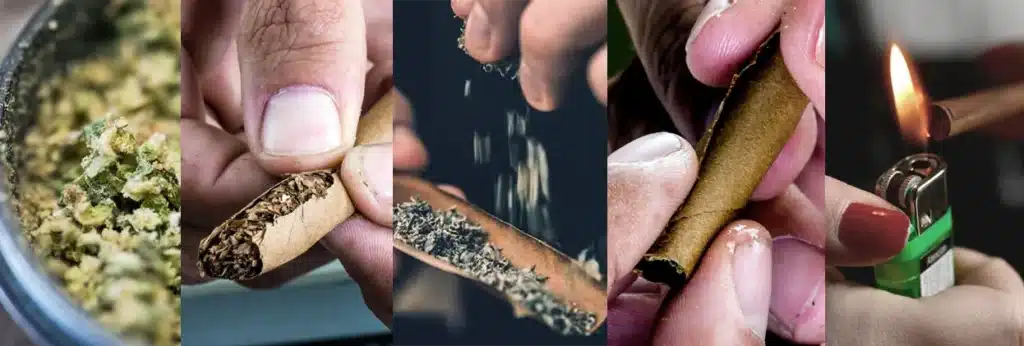
How to Roll a Blunt at a Glance
1. Grind → 2. Prep the wrap → 3. Fill → 4. Roll & tuck → 5. Seal & bake
How to Roll a Blunt: Quick Navigation
- What Is a Blunt?
- What You’ll Need
- How Much Weed Goes in a Blunt?
- How to Roll a Blunt: Step-by-Step
- How to Roll a Blunt with a Cigar Wrap
- How to Roll a Swisher
- How to Roll a Blunt with Paper Wraps
- How to Roll a Blunt with a Tobacco Leaf
- Hemp and Palm Leaf Wraps
- Blunt Wrap Comparison
- Do Blunts Contain Nicotine?
- How Long Does a Blunt Burn?
- Troubleshooting
- Beginner Tips
- FAQ
What Is a Blunt?
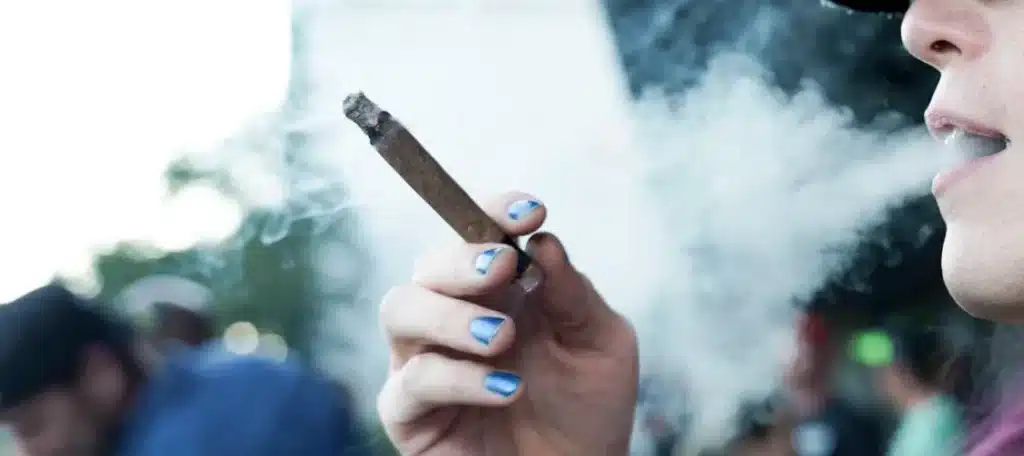
A traditional blunt is cannabis rolled inside a hollowed-out cigar or cigarillo. The tobacco wrapper is left around the outside after the tobacco filler is removed and replaced with cannabis. Cigarillos such as Swisher Sweets, Dutch Master, White Owl, Phillies, and Game are commonly associated with this style.
Unlike joints, which use paper designed for smoking cannabis, blunts use wraps traditionally made from tobacco leaves. Spliffs combine cannabis with loose tobacco. Learn more about the differences between blunts, joints, and spliffs.
Traditional cigar wraps can contain nicotine even after the filler is removed. If you want to avoid tobacco, hemp and palm leaf wraps without tobacco-derived materials are alternatives.
What You’ll Need to Roll a Blunt
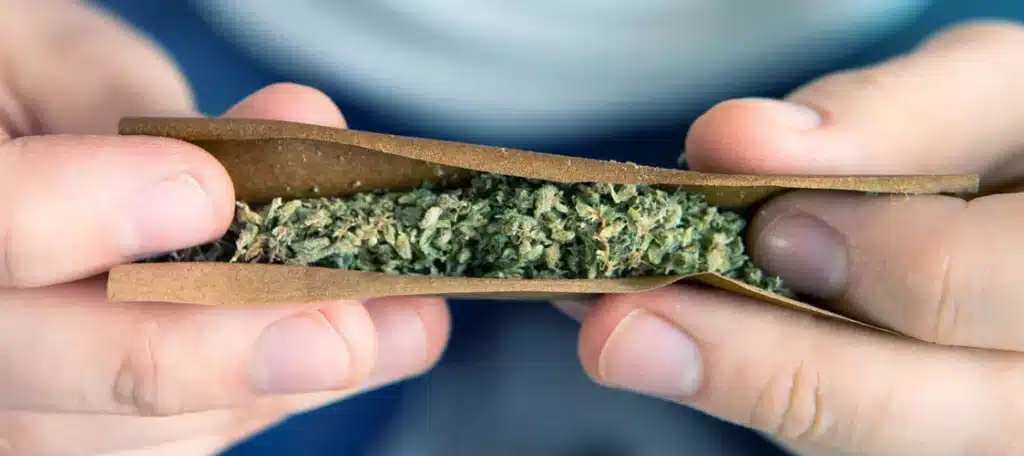
For a basic blunt, you’ll need:
- Cannabis flower
- A blunt wrap, cigarillo, or other suitable wrap
- A grinder
- A small amount of moisture for softening the wrap
- A lighter
- A clean, flat surface
A crutch or filter isn’t required, but it can make the blunt easier to hold and can help keep flower from pulling through the end. A rolling tray can also keep everything contained. For more useful accessories, check out our guide to rolling trays and other accessories.
How Much Weed Goes in a Blunt?
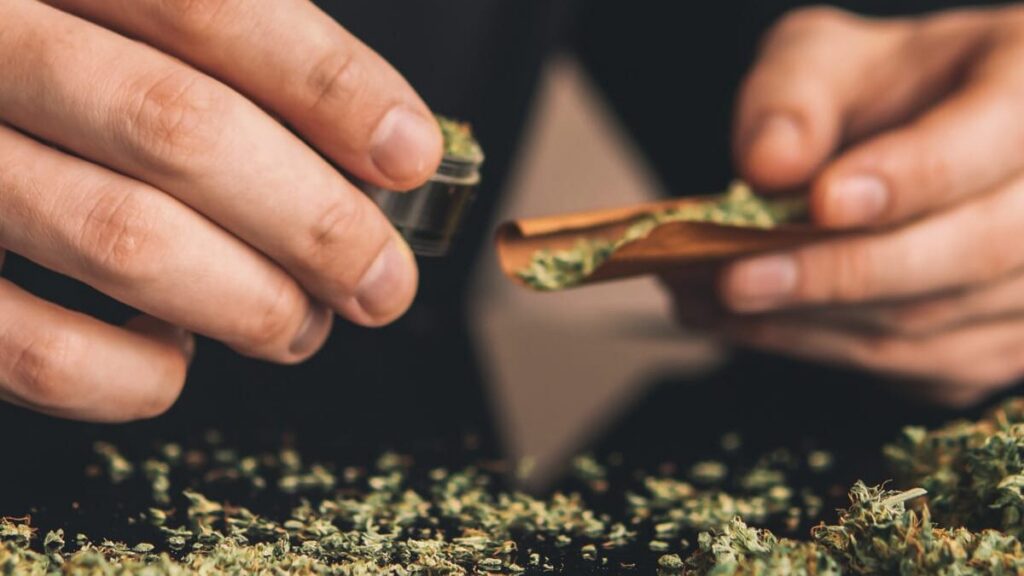
So, how much weed is in a blunt? It’s a matter of how large or small the wrap is. A cigarillo-style blunt can hold around 1 gram, while a larger wrap can hold around 2 grams or more.
For comparison, one study estimated the average joint contains about 0.32g of cannabis, with a 95% interval of 0.30-0.35g.
You also don’t need to fill a wrap to its limit. Overpacking makes it difficult to roll and restricts airflow. If you’re learning how to roll a blunt for beginners, starting with around 1 gram gives you a manageable amount to work with.
How to Roll a Blunt Properly for an Even Burn
Start by grinding your flower to a medium, consistent texture. You want small enough pieces to pack evenly without turning them into powder. Inconsistent grinds can leave dense pockets next to loose spots and contribute to canoeing and uneven burns. A consistent grind also makes the flower easier to distribute across the wrap. If you need a refresher, check out our guide on how to grind your flower to the right consistency.
Cigarillo or cigar wraps need to be carefully split or unrolled along the seam so that the tobacco can be removed. You can use your fingernail or a clean razor blade for a more precise split. If you’re using pre-made hemp, palm, or paper wrap, you can just lay it out flat to fill it. Making sure the wrap is correctly prepared gives you a clean surface to work with and makes the rest of the rolling process easier.
The inside of the wrap should be lightly moistened so that it’s flexible enough to roll without cracking. You don’t need much though, especially for thinner wraps. Try working around the edges and seams rather than soaking the whole thing. Overly wet wraps can become soft, tear easily, or have trouble staying lit. If the wrap is super dry, give it some time to absorb the moisture before working with it. The goal is flexible, not soggy.
The flower should be evenly spread across the length of the wrap, leaving little room at each end for shaping and sealing. Don’t pile everything into one spot in hopes of fixing it later. An even layer gives you a more consistent shape and helps everything burn evenly at the same rate from end to end. Uneven filling can create air pockets or dense sections, which are two common causes of canoeing and uneven burning.
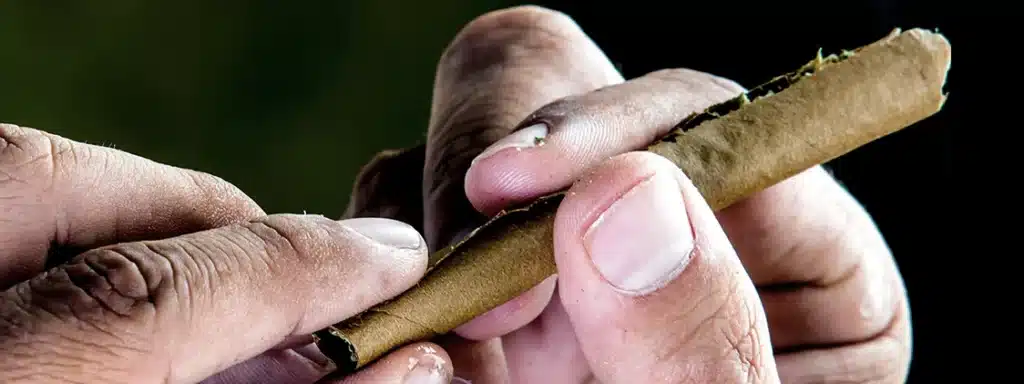
Gentle roll the wrap around the flower, working from one end to the other. As you roll, tuck the lower edge under the flower and continue shaping it into a consistent cylinder. Don’t stress about getting the perfect shape the first time. It’s easy to loosen or redistribute the flower as you go. The goal is a firm, but not overly compressed roll. Packing too tightly can restrict airflow and make the blunt difficult to burn evenly.
Once the blunt is shaped, lightly moisten the inside edge of the exposed seam and press it against the wrap underneath. Run your fingers along the entire seam to help it stick. Use just enough moisture to seal the wrap rather than soaking it. A clean, continuous seam keeps the blunt from unraveling while you’re handling it. If the wrap isn’t sticking, give it a few seconds to absorb the moisture before pressing it down again.
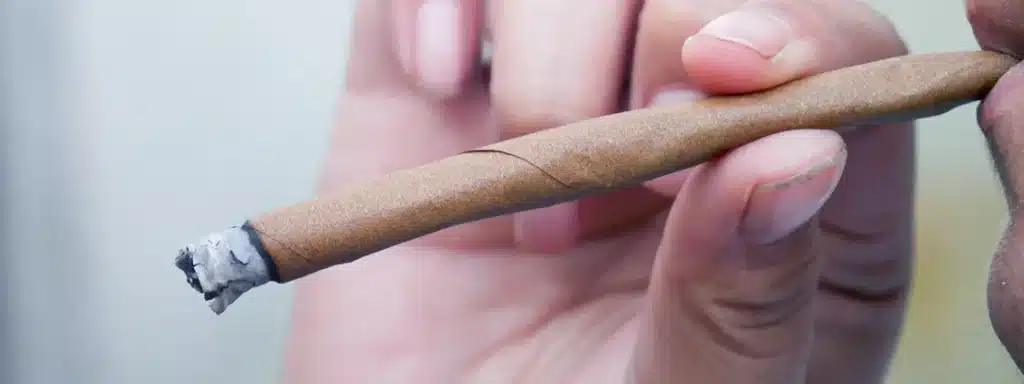
Gently run a lighter along the sealed seam to help dry and set the wrap. Keep the flame moving instead of holding it in
How to Roll a Blunt with a Cigar Wrap
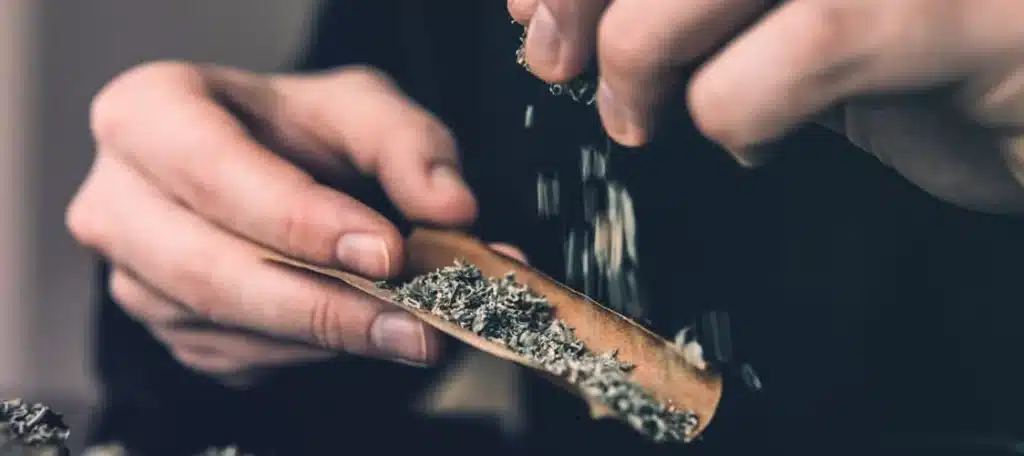
Cigar and cigarillo wraps are the traditional blunt option. The main extra step is removing the tobacco filler without tearing the outer wrapper.
You can crack the cigarillo open along its natural seam with your fingernail, or carefully use a razor blade. Remove the filler, then spread your ground flower inside the wrapper and follow the same tuck-and-seal process above.
Remember that the wrapper itself is tobacco. Removing the filler doesn’t make a traditional cigar wrap tobacco-free.
How to Roll a Swisher
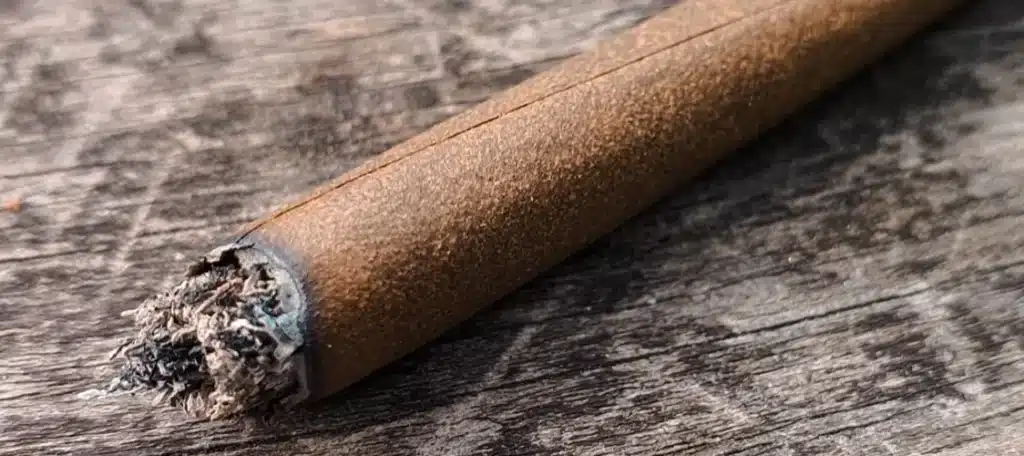
Swisher Sweets-style cigarillos use the same basic cigarillo-wrap method described above. Their existing seam can make the wrapper relatively easy to open and prepare. Once the filler is removed, the wrapper can be used with the same rolling and sealing process.
How to Roll a Blunt with Paper Wraps
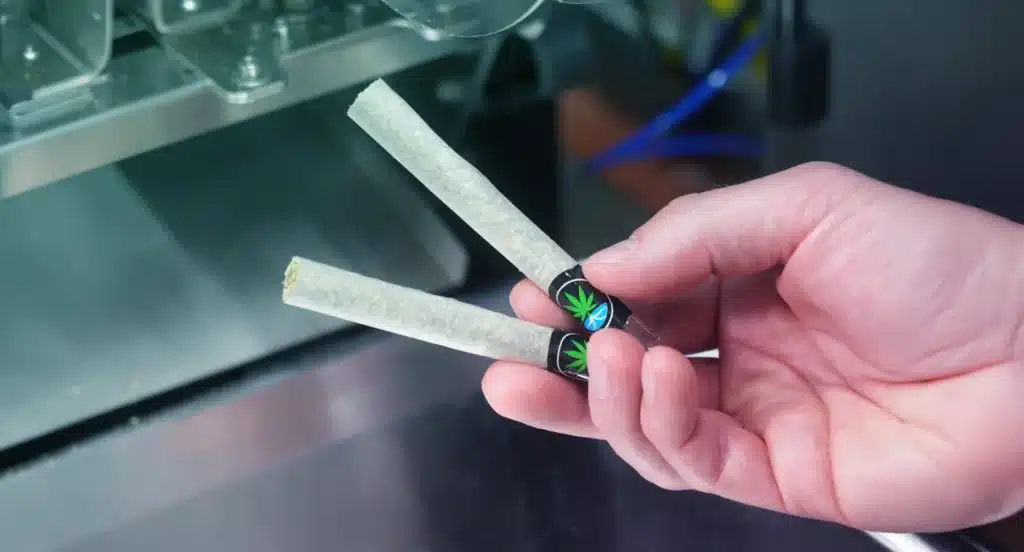
Not every product marketed as a blunt wrap is a traditional tobacco cigar wrapper. Some are paper-style or pre-made wraps designed specifically for cannabis.
These are generally easier for beginners because there’s no cigar to split or hollow out. Follow the package instructions for moisture and sealing, then add your ground flower and close the wrap.
Pay attention to the material. Some products marketed as blunt wraps can use reconstituted tobacco sheet, while others are made from non-tobacco materials.
How to Roll a Blunt with a Tobacco Leaf
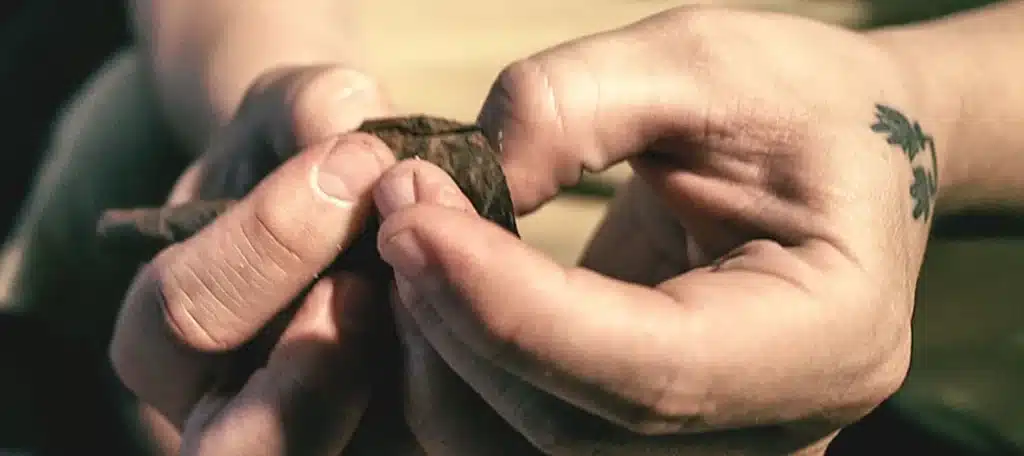
Whole-leaf wraps, including fronto-style and Backwoods-style wraps, are a different experience from thin cigarillo wrappers. They’re larger, thicker, and generally harder to manipulate.
If you’re searching for how to roll a Backwoods, the basic process is still the same: prepare the leaf, remove or separate any unwanted tobacco material as appropriate, add flower, roll tightly, and seal the seam.
Because whole leaves are thicker and less uniform, they often require more moisture and more attention to the seal. They’re usually not the easiest choice for a first blunt.
Hemp and Palm Leaf Wraps (Tobacco-Free Options)
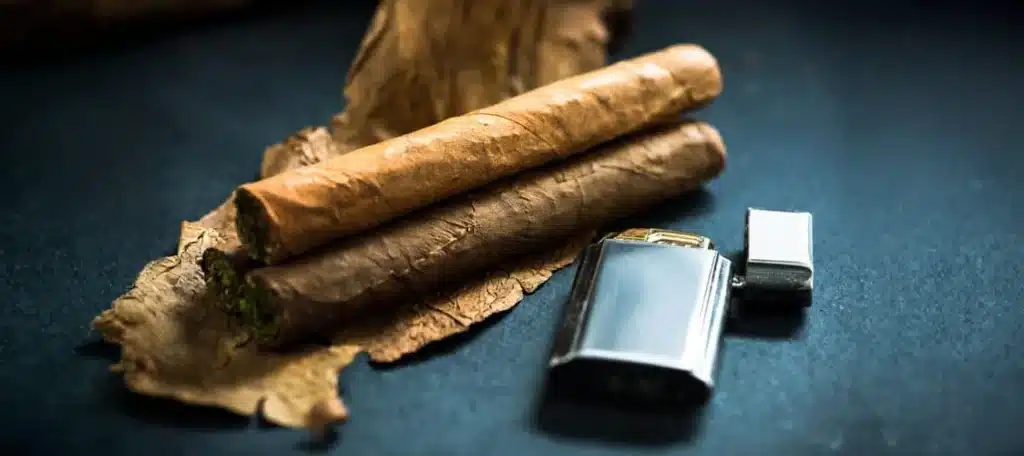
Hemp and palm leaf wraps can be alternatives to traditional tobacco wraps if you want to avoid tobacco.
The important part is checking the actual material. A wrap made from verified tobacco-free hemp or palm leaf won’t contain tobacco-derived nicotine, but you shouldn’t assume every product labeled a “blunt wrap” is automatically tobacco-free. Some wraps use reconstituted tobacco sheet, so check the packaging if avoiding nicotine is important to you.
Palm leaf wraps, including products made from Cordia leaf, are often sold as pre-made wraps or cones. Hemp wraps are also available in several formats, including flat wraps and pre-rolled options.
Switching to a tobacco-free wrap removes the tobacco-derived nicotine component, but it doesn’t make combusted smoke harmless.
Blunt Wrap Comparison
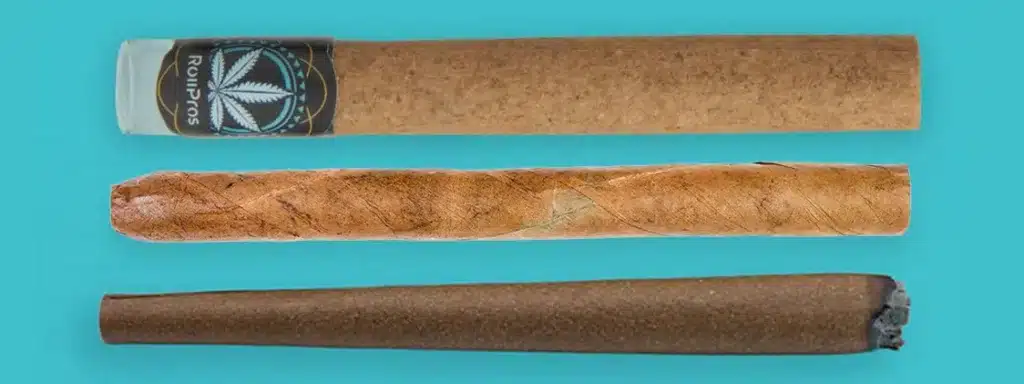
| Wrap Type | Tobacco/Nicotine? | Beginner Difficulty | Typical Capacity |
| Cigarillo | Yes | Easy–Moderate | ~1–2 g |
| Whole tobacco leaf | Yes | Harder | ~2–3+ g |
| Fronto leaf | Yes | Harder | ~2–3+ g |
| Pre-made blunt wrap | Depends on material | Easy | ~1–2 g |
| Tobacco-free hemp wrap | No tobacco-derived nicotine | Easy | ~1–2 g |
| Tobacco-free palm leaf | No tobacco-derived nicotine | Easy | ~1–2 g |
There isn’t one universal best blunt wrap for beginners. Pre-made hemp or palm wraps are generally simpler because you don’t have to gut or split a cigarillo.
Do Blunts Contain Nicotine? What to Know
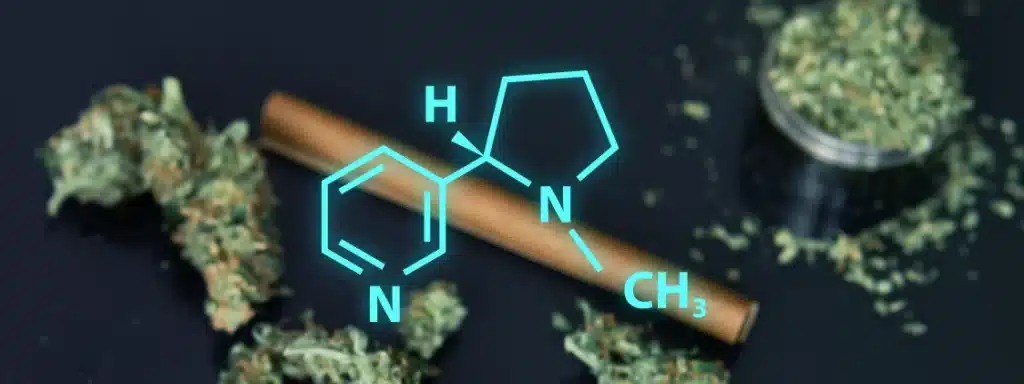
If you’re wondering, do blunts have nicotine, the answer depends on the wrap.
Traditional cigar and cigarillo wrappers contain tobacco and can contain measurable nicotine even after the tobacco filler has been removed. A 2016 study tested five cigar products commonly used for blunts and found 1.2–6.0 mg of nicotine per wrapper, with nicotine concentrations of 4.7–7.9 mg per gram of wrapper material.
That study measured nicotine content in the wrappers. It did not measure how much nicotine someone actually absorbs by smoking a blunt.
The CDC also notes that cigars contain nicotine and that cigar smoke contains toxic compounds and chemicals that can cause cancer.
If nicotine is something you want to avoid, look for a wrap made from verified tobacco-free hemp or palm leaf rather than assuming a product is nicotine-free based on the word “blunt” alone.
How Long Does a Blunt Burn?
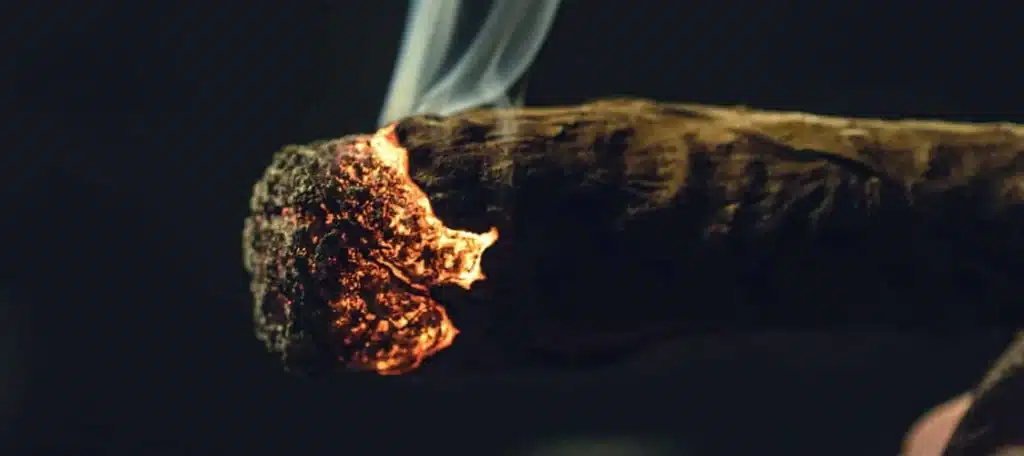
A typical blunt can burn for roughly 20–30 minutes, although there’s no universal number. Size, moisture, grind consistency, packing density, airflow, and how frequently it’s smoked all affect burn time.
A larger blunt packed tightly may last longer, while a loosely packed or uneven blunt can burn much faster.
Common Blunt Rolling Problems
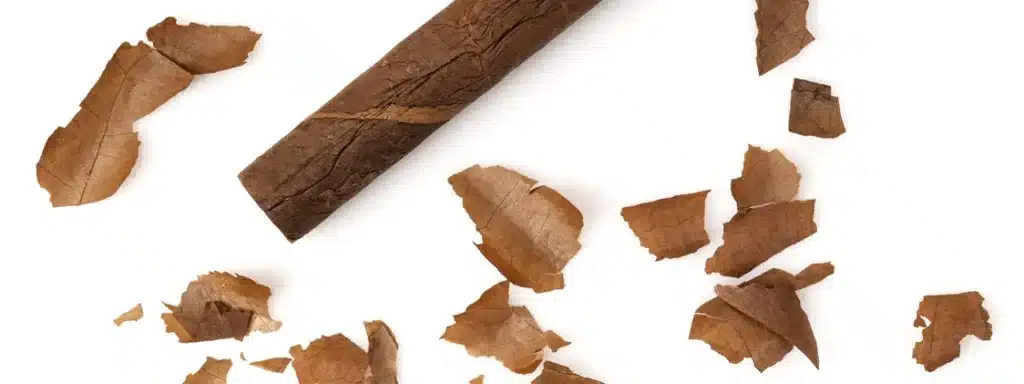
The blunt keeps running.
Uneven packing is usually the first thing to check. Make sure the flower is distributed consistently and that there aren’t large gaps.
The wrap keeps cracking.
It’s probably too dry. Add a small amount of moisture or briefly warm the wrap to make it more flexible. A humidity pack can help with dry wraps before you start.
The blunt keeps going out.
The wrap may be too wet, the flower may be packed too tightly, or the grind may be inconsistent.
The seam won’t stay closed.
Use less moisture, not more. A heavily soaked seam can become soggy instead of adhesive. Once sealed, gently bake the seam with a lighter.
Flower keeps falling out.
You may have overfilled it or skipped a proper tuck. Remove a little flower and focus on getting the bottom edge tucked underneath before finishing the roll.
Beginner Tips: The Easiest Way to Roll Your First Blunt
If you’re completely new to rolling, don’t start with the biggest, thickest leaf you can find. A smaller pre-made hemp or palm wrap is usually easier to handle than a whole tobacco leaf.
Keep the grind medium and consistent, don’t overfill the wrap, and use only enough moisture to make it flexible. Most importantly, don’t rush the tuck. That’s the part that keeps the entire blunt together.
And if hand-rolling isn’t your thing, that’s fine too. There are other ways to prepare pre-rolls, including using a rolling machine instead.
FAQ
How much weed do you put in a blunt?
Most blunts use roughly 1–2 grams, although larger wraps can hold more. Start with less if you’re still learning how to roll.
What’s the difference between a blunt, joint, and spliff?
A blunt traditionally uses a cigar or cigar-style wrap, a joint uses rolling paper, and a spliff combines cannabis with loose tobacco. See our guide to the difference between a blunt, a joint, and a spliff.
Can you roll a blunt without tobacco?
Yes. Tobacco-free hemp and palm leaf wraps can be used instead of tobacco-based cigar wraps.
How long does a blunt last?
A typical blunt can burn for around 20–30 minutes, but size and packing have a big impact.
Why does my blunt keep running?
Uneven flower distribution, inconsistent grinding, gaps in the filling, and an uneven light can all cause a blunt to burn unevenly.
How do you keep a blunt from falling apart?
Use the right amount of moisture, make a clean tuck, and gently seal the seam. Don’t over-wet the wrap.
Do you need to remove the tobacco from a cigarillo?
For a traditional cannabis-only blunt, yes. The tobacco filler is removed before replacing it with cannabis. The outer wrapper can still contain tobacco and nicotine.
Can you roll a blunt without a crutch?
Yes. A crutch isn’t required, although it can make the blunt easier to hold and help with airflow and structure.
Can you roll a blunt without a grinder?
Yes. You can break flower apart by hand or use another method, but a consistent medium grind generally makes packing and burning more predictable.
What are the best blunt wraps for beginners?
Pre-made hemp and palm leaf wraps are generally easier than whole tobacco leaves because they don’t require the same amount of splitting, shaping, and handling.
How do you fix a dry blunt wrap?
Add a small amount of moisture and let the wrap soften before rolling. If it’s extremely dry, briefly warming it or storing it with a humidity pack can help prevent cracking.
Related guides: pre-roll glossary and key rolling terms | what is a cannagar?