Step-by-Step Guide to Using a Rolling Machine for Joints
Rolling a perfect joint by hand takes time, patience, and a fair amount of practice. For many people, the learning curve can be frustrating, especially when consistency matters. That’s where a rolling machine comes in. Whether you’re a beginner looking for a smoother entry point or an experienced smoker aiming for uniform results, these tools simplify the process without sacrificing quality.
In this guide, we’ll break down exactly how they work, why they’re worth using, and how to get the best results every time.
What is a joint rolling machine?
A joint rolling machine is a compact tool designed to help you roll evenly packed joints with minimal effort. Instead of relying on finger dexterity and technique, the device uses a simple mechanical system to shape and compress ground flower into a uniform cylinder.
Most models consist of two rollers connected by a flexible apron. You load your material, insert a paper or cone, and rotate the rollers to form the joint. The result is a smooth, evenly packed roll that burns consistently.
These tools come in a variety of sizes and styles, ranging from small handheld options to larger devices built for higher volume. While the concept is simple, the consistency they provide makes them a go-to solution for many consumers.
Benefits of using rolling machines for pre rolls
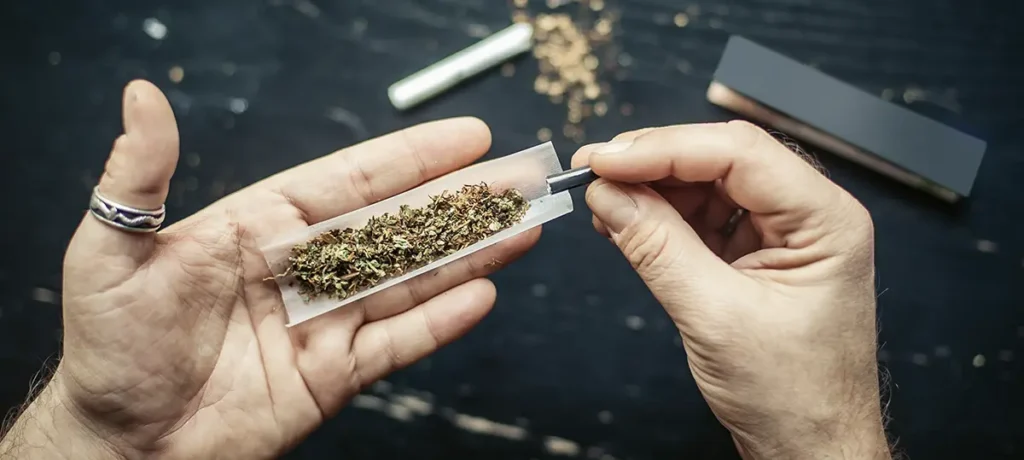
One of the biggest advantages of using a rolling machine is consistency. Hand-rolled joints can vary in density, airflow, and shape, which often leads to uneven burns. With a machine, each roll is nearly identical.
Another benefit is efficiency. Once you get comfortable with the process, you can produce multiple joints quickly without sacrificing quality. This is especially useful for anyone preparing pre rolls in batches.
There’s also less waste involved. When rolling by hand, it’s easy to lose material during the process. Machines keep everything contained and controlled, which helps maximize your product.
Finally, these tools are beginner-friendly. If you’ve ever struggled with shaping a joint or keeping it tight, using a machine removes most of that difficulty. It allows you to focus on enjoying the final product rather than stressing over the process.
Types of Rolling Machines
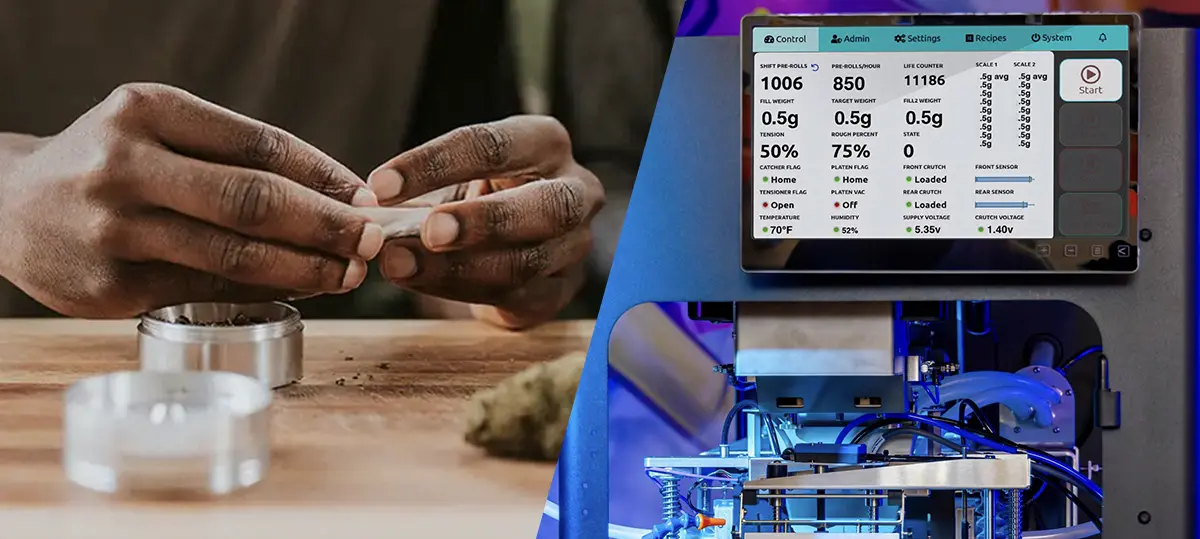
Manual vs. automatic joint rollers
There are two main categories when it comes to rolling machines: manual and automatic.
Manual options are the most common and affordable. They rely on hand movement to rotate the rollers and shape the joint. These are ideal for personal use and are easy to carry around. They also give you a bit more control over how tightly your joint is packed.
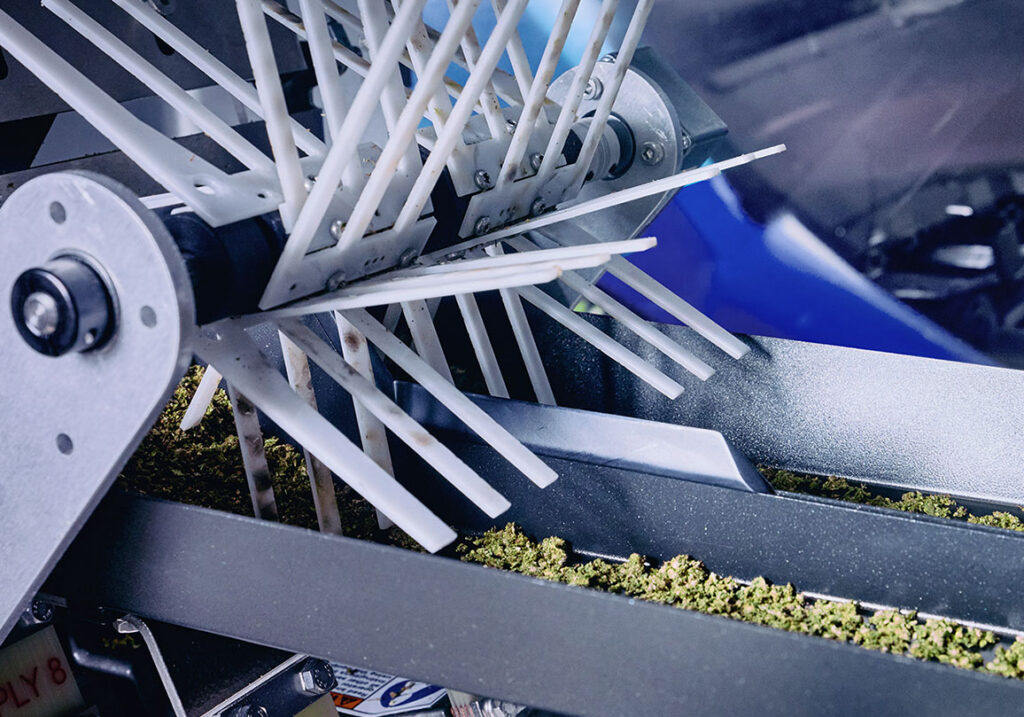
Automatic versions, on the other hand, are designed for speed and convenience. With the push of a button, the device handles the rolling process for you. These are often used in higher-volume settings where consistency and output matter most.
Choosing between the two comes down to your needs. If you’re rolling occasionally, a manual option is more than enough. If you’re producing larger quantities, automation can save time and effort.

Best joint rolling machines on the market
There are plenty of options out there, but a few stand out for their reliability, ease of use, and consistent results across different experience levels.
Classic handheld rollers are still one of the most popular choices. Brands like RAW and Zig-Zag offer simple, durable rollers that are affordable and easy to learn. They’re a great starting point for beginners and a dependable option for everyday use.
For added convenience, electric rollers like the RAW Automatic Rolling Box or Powermatic Mini Electric Roller help streamline the process. These are ideal if you roll often and want to save time while maintaining consistency.
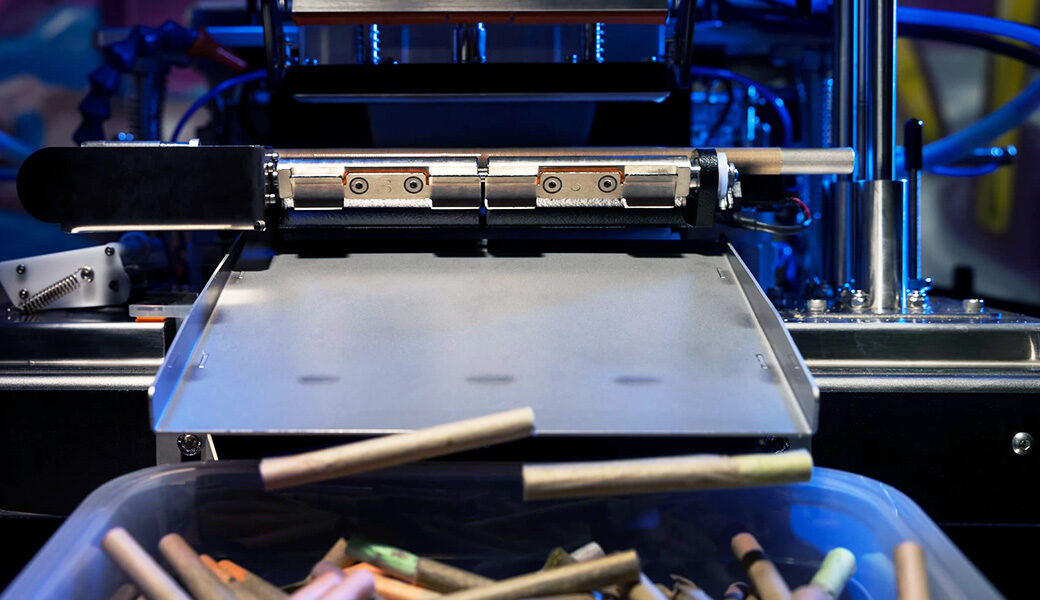
On the commercial side, machines like the RollPros Blackbird are built for high-volume production. They’re designed to deliver precision and uniformity at scale, making them a top choice for professional operations.
No matter which route you choose, the goal is the same: achieving a consistent, high-quality roll every time.

How to Use A Joint Roller
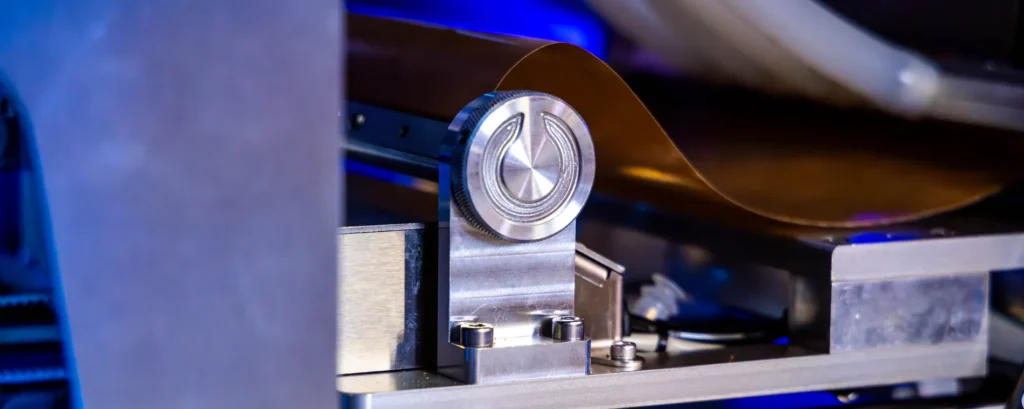
If you’ve never used one before, learning how to use a joint roller is easier than you might expect. The design is straightforward, and most machines follow the same basic process, so there’s very little guesswork involved. After a couple of attempts, you’ll start to get a feel for the right amount of material, how tightly to pack it, and how smoothly the rollers should move. Once you understand the basics, the process quickly becomes second nature, making it faster and more consistent than rolling by hand

Materials needed
Before getting started, gather everything you’ll need so the process flows smoothly from start to finish:
- Ground flower
- Rolling papers or pre rolled cones
- A grinder
- A filter tip (optional)
- Your machine
Having everything prepared ahead of time not only makes the process more efficient, but also helps ensure a cleaner, more consistent roll. If you’re using papers, make sure they match the size of your machine, and if you prefer cones, double-check that they fit properly within the rollers. A quality grinder is also key, as it helps create an even consistency that directly impacts airflow and burn.

Loading the machine properly
Start by grinding your flower to a medium consistency. You don’t want it too fine, as that can restrict airflow and lead to a tighter draw, but it shouldn’t be too chunky either, since larger pieces can create gaps and uneven packing.
Open the rollers and evenly distribute the material across the length of the machine, making sure there are no dense clumps or empty spots. This step plays a big role in how evenly your joint will burn. Avoid overloading it, as this can lead to uneven rolls, difficulty closing the rollers, or added strain on the machine itself.
If you’re using a filter tip, place it at one end before adding your flower. This helps maintain the structure of the joint and improves airflow while smoking. Once everything is in place, gently close the rollers and rotate them a few times to begin shaping and lightly packing the material into a uniform cylinder.
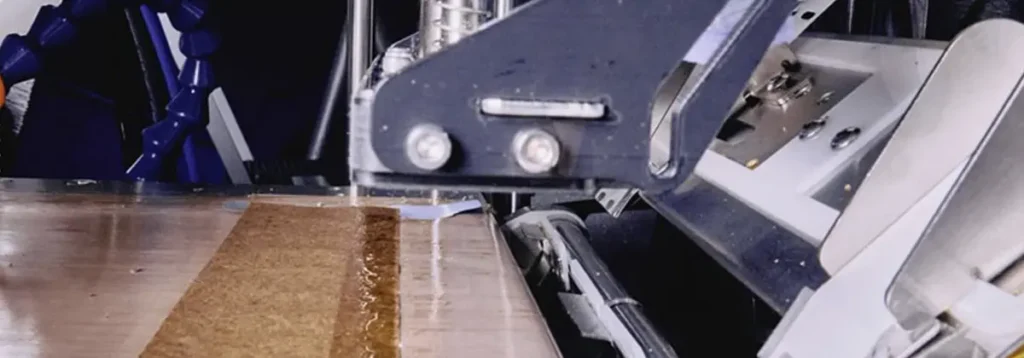
Rolling and sealing the joint
Insert your rolling paper with the adhesive strip facing up and toward you, ensuring it’s aligned evenly across the rollers. Begin rotating the rollers so the paper feeds smoothly into the machine, wrapping around the shaped material inside.
As the paper tucks in, lightly moisten the adhesive strip and continue rolling until the joint is fully sealed. Try to keep steady, even pressure as you turn the rollers to avoid wrinkles or uneven wrapping.
Once complete, open the machine carefully and remove your finished joint. Give it a light tap on a flat surface or a gentle twist at the end to settle the material and secure the shape. If needed, you can also pack down the tip slightly for a more even burn.
With a bit of practice, this process becomes quick, repeatable, and significantly more consistent than rolling by hand.
Common Mistakes and How to Avoid Them
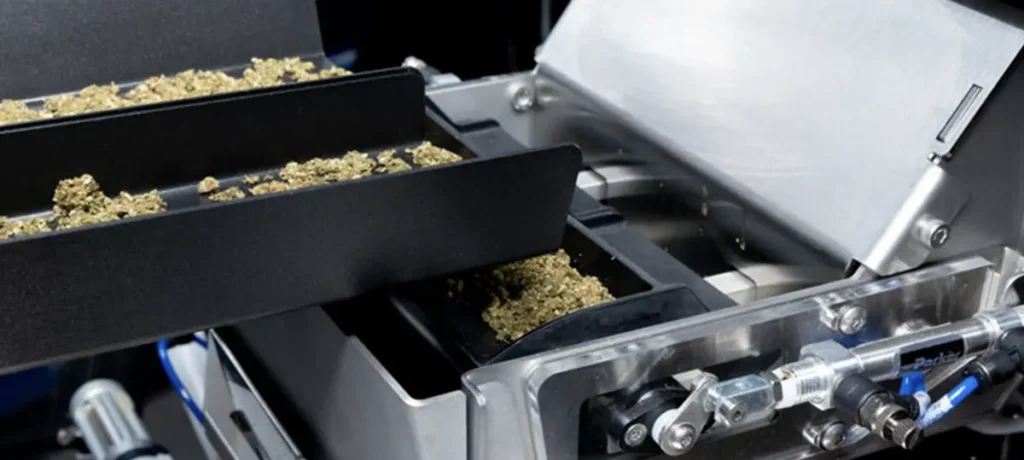
Even with a machine, a few common mistakes can affect your results. Fortunately, they’re easy to fix once you know what to look for.
Overstuffing the cone roller
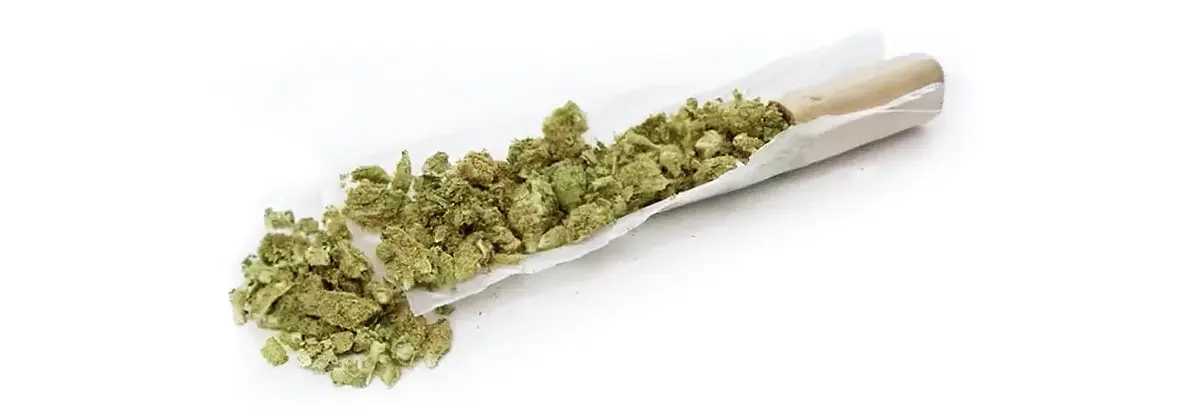
One of the most frequent issues when using a machine is overloading it with too much material. While it might seem like packing in more flower will give you a better or longer-lasting joint, it usually has the opposite effect. Overstuffing restricts airflow, makes the rollers harder to turn, and often results in a joint that burns unevenly or is difficult to draw from.
To avoid this, stick to a moderate amount of flower and focus on distributing it evenly across the length of the roller. Pay attention to how the machine feels as you close and turn it. If there’s resistance or it feels tight and difficult to move, that’s a clear sign you’ve added too much. Removing a small amount and redistributing can make a noticeable difference. A properly packed joint should feel firm and structured, but still allow for smooth airflow without being overly compressed.

Uneven burns and how to fix them
Uneven burning, commonly referred to as canoeing, is another common issue that can happen even when using a machine. This typically comes down to inconsistent packing, uneven distribution of material, or slight differences in density throughout the joint.
To prevent this, take a few extra seconds during preparation to make sure your flower is spread evenly before rolling. Rotating the rollers a few additional times can also help shape and compact the material more uniformly, leading to a smoother burn. If you notice one side burning faster after lighting, you can gently rotate the joint while smoking or lightly moisten the faster-burning side to help slow it down.
Small adjustments during both preparation and use can make a big difference. Staying consistent with your technique will help ensure a more even, reliable burn from start to finish.
Maintenance and Cleaning Tips
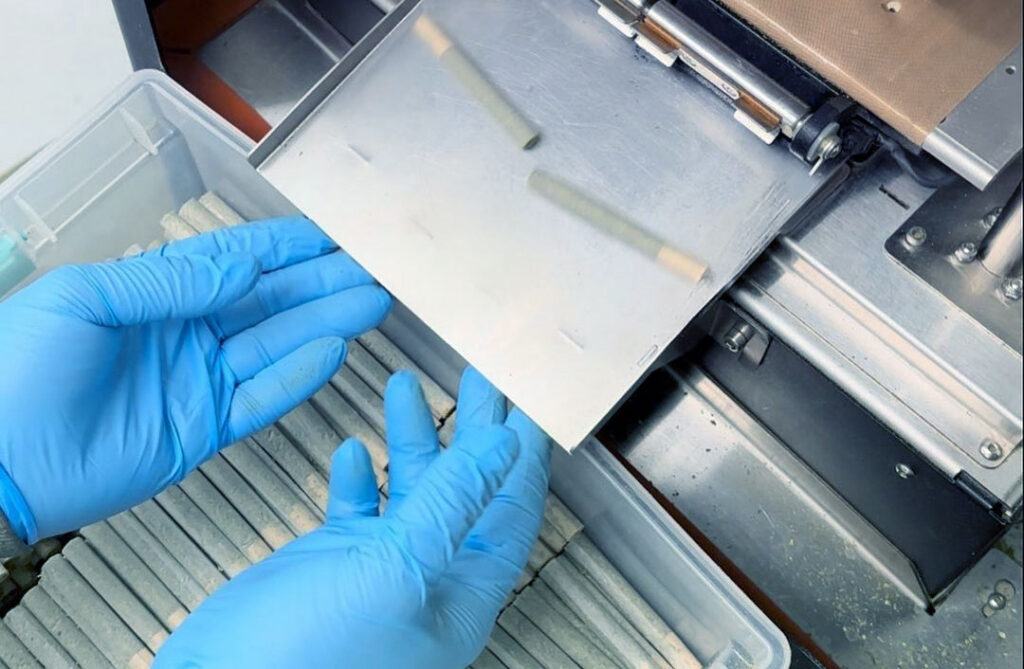
Keeping your machine clean is essential for maintaining consistent performance and extending its overall lifespan. With repeated use, resin, fine plant particles, and natural oils begin to build up along the rollers and inner components. This buildup can create resistance when turning the rollers, affect how evenly your material is distributed, and ultimately impact the quality and consistency of your finished joints.
How to keep your joint rolling machine in top condition
After regular use, it’s normal for small amounts of material and residue to collect inside the rollers. If left unattended, this can make the device feel sticky or harder to operate, while also leading to uneven packing over time. To stay ahead of this, make it a habit to lightly clean your rolling machine every few uses. A quick wipe-down of the rollers and interior with a dry cloth or paper towel can go a long way in preventing buildup from accumulating.
For tighter spaces, a small brush, toothpick, or even a cotton swab can help remove debris that gets lodged in corners or along the edges of the rollers. These simple tools allow you to clean more precisely without damaging the machine. It’s also important to be mindful of how much material you’re loading. Overpacking not only affects the quality of your roll, but it also increases the chances of excess material getting stuck inside the mechanism.
In addition to regular cleaning, proper storage plays a role in maintaining performance. Keeping your machine in a clean, dry place helps prevent dust, moisture, and other contaminants from interfering with its function. With a little consistency and care, your rolling machine will continue to operate smoothly and deliver reliable results every time.
Best products for cleaning a joint roller machine
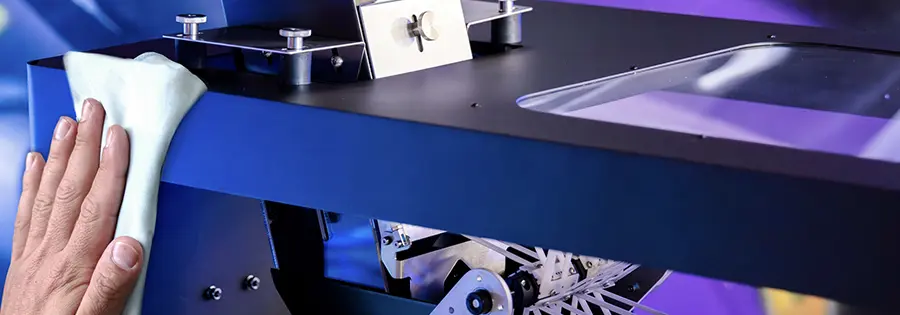
When it comes to keeping your joint roller in top shape, you don’t need an overly complicated setup. A few reliable, easy-to-find tools will handle most cleaning jobs effectively. Isopropyl alcohol remains the go-to solution for breaking down sticky resin and buildup, especially when paired with cotton swabs or soft cloths that can reach into tight areas around the rollers. Pipe cleaners and small brushes are also useful for clearing out leftover plant material without damaging the machine’s internal components, helping maintain smooth operation over time.
For a more thorough clean, some models can be carefully taken apart so each piece can be wiped down individually. This is especially helpful if residue has built up in hard-to-reach areas or if the rollers have started to feel less responsive. Just be sure to let every component dry completely before putting the machine back together, as moisture can affect performance and longevity. While there are specialized cleaning solutions designed specifically for rolling machines, they’re typically optional and best reserved for heavier buildup or more frequent use cases.
Staying consistent with maintenance not only keeps your machine working properly, but also preserves the overall quality of your joints. Old residue can impact flavor, airflow, and burn consistency, which defeats the purpose of using a machine in the first place. By incorporating simple, routine cleaning habits, you ensure that every roll stays smooth, even, and true to the material you’re using.