What Is a Cannagar and How Is It Made?
What is cannagar? Most cannabis consumers have never heard of a cannagar, but those who have rarely go back to anything else. It’s one of those formats that sits somewhere between ritual and craft, closer to a cigar experience than a standard pre-roll. In this guide, we break down exactly what a cannagar is, how it’s made, what tools go into the process, and where it fits in today’s premium pre-roll market. Whether you’re a consumer trying to understand the format or an operator exploring new SKUs, this covers everything from build method to burn time and tools like molds.
You’ll also learn the difference between handmade and mold-assisted cannagars, plus how professionals achieve consistency at scale.
What Is a Cannagar?
A cannagar is best described as a cannabis cigar, built around a central skewer or core and tightly packed with flower. Once formed, it’s wrapped in cannabis fan leaves or hemp leaves, creating a dense, slow-burning format that looks and smokes nothing like a standard pre-roll.
At its core, a cannagar comes down to three things: structure, density, and experience. The format traces its roots back to Thai sticks, an early cannabis preparation method where buds were stacked and bound for slower combustion. Modern cannagars take that same idea and refine it into a luxury product.
Unlike a blunt or pre-roll, cannagars are significantly denser and larger. The central skewer creates an internal airflow channel, which is what allows them to burn evenly for long sessions. Depending on size, burn times can range from 45 minutes to over two hours.
Cannagars are often positioned as ceremonial or celebratory products, typically shared in group settings rather than consumed solo. They sit firmly in the luxury tier of cannabis consumption.
There are two main ways they’re made: hand-packed or mold-assisted, which we’ll break down next.
How to Make a Cannagar — The Core Process
Learning how to make a cannagar starts with understanding structure. Every cannagar is built around a skewer that forms the airflow channel. Without it, the density would make the product unsmokable.
The first step is selecting flower. Dense, well-cured buds are ideal because they compress evenly and maintain structure. Too dry, and it turns brittle; too moist, and it won’t cure properly.
Next is the skewer placement. This is inserted through the center and acts as a guide for shaping and airflow. Once in place, flower is packed tightly around it. This can be done by hand, but most consistent results come from using a mold.
Some makers enhance potency by adding kief or concentrate during this stage. It’s optional, but common in premium builds.
After packing comes wrapping. Cannabis fan leaves or hemp leaves are layered around the core, usually sealed with a natural adhesive like cannabis oil or honey. Each layer is pressed down carefully to maintain tension without tearing.
Finally, curing is essential. Most cannagars rest for 24–72 hours before use. This allows moisture to balance out and improves burn consistency significantly.
Understanding how to roll a cannagar and how to make cannagar really comes down to mastering compression and patience during the cure stage.
How to Use a Cannagar Mold
A cannagar mold exists to solve one core problem: consistency. When learning how to use a cannagar mold for even packing and consistent burn, the goal is uniform density. Without it, hand-packed cannagars often burn unevenly or have weak airflow.
A mold compresses flower evenly around a central skewer using controlled pressure. This creates a tight, uniform cylinder that’s ready for the production and wrapping process.
To use one, you will start by loading the chamber with ground or broken-down flower. The skewer is inserted through the center channel before compression. Then, the mold is tightened or pressed until the material is evenly compacted.
Once set, the core is removed and the product is allowed to rest briefly before wrapping begins.
Molds typically come in three sizes:
- Small (1–2g): quick sessions, personal use
- Standard (3–5g): balanced burn time, most common
- Large (6g+): group sessions, long burn experiences
The larger the mold, the longer the burn time. It can mean the process often exceeds two hours in infused formats as well.
Mold-made cannagars are generally easier to wrap and produce a more predictable burn compared to hand-built versions. That’s why they’re widely used in both home setups and small-batch commercial production.
How to Roll a Cannagar — Wrapping Technique
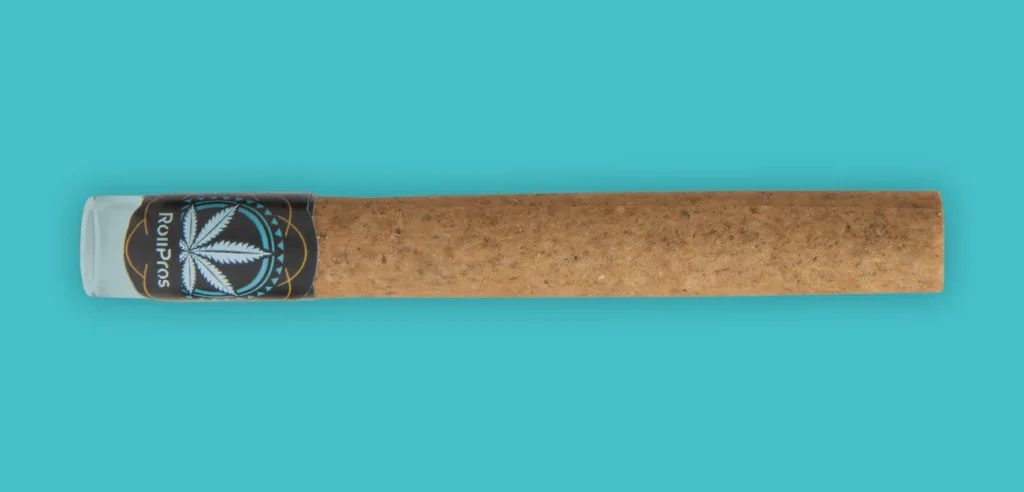
The wrapping stage is where most people struggle with how to roll a cannagar. Even a perfectly packed core can fail if the wrap isn’t done correctly.
You will start by selecting your wrap material. Traditionally, cannabis fan leaves are most commonly used. Hemp wraps or tobacco-free blunt wraps are also common for consistency and availability.
If the leaves are too dry, they will crack. Lightly misting or briefly steaming them restores flexibility and prevents tearing during the application process.
Begin wrapping at the base of the cannagar. Each layer should overlap the previous by about 30–40 percent. The key is tension: firm enough to stay tight, but not so tight that the leaf splits in half.
The adhesion comes from cannabis oil, infused oil, or honey. This is applied between each of the layers to help seal the structure and keep everything locked in place.
Once fully wrapped, the cannagar is gently rolled between the palms to smooth the surface and compress the outer layer. It is then set aside for curing.
Common mistakes include wrapping too loosely, skipping curing time, or using overly dry leaves. Each one affects burn quality directly.
Learning how to roll a cannagar is like mastering any craft. It improves with repetition, practice, and experience rather than theory alone.
Where to Get a Cannagar

Lots of people ask where to get a cannagar, and there are three main ways to get this product, depending on how hands-on you want to be.
The first place to look is dispensaries. Many premium retailers now carry pre-made cannagars, usually in the infused or luxury pre-roll section. These are positioned as special-occasion products rather than everyday consumption items.
The second is through cannabis brands that specialize in cannagars. These products are typically distributed to licensed retailers and come in formats ranging from 1g minis to 5g+ large builds. The focus here is consistency and presentation.
The third option is the good old, do it yourself process. For those who want to learn where they can get a cannagar components or build their own, molds, skewers, leaves, and wraps are widely available through accessory retailers and online suppliers.
Retail pricing usually ranges from $25 to $150 or more depending on size, infusion, and flower quality. The higher price point reflects burn time, craftsmanship, and the shared experience format rather than just raw material cost.
For operators, cannagars represent a high-margin opportunity within the premium pre-roll category, especially in experiential or celebratory SKUs.
Frequently Asked Questions — Cannagars
A cannagar is a cannabis cigar made from tightly packed flower around a skewer, wrapped in cannabis or hemp leaves.
Burn time depends on size. A 3g cannagar typically burns 45–90 minutes, while 5g+ formats can exceed two hours. For more detail, see the “How to Use A Cannagar Mold” section.
No. Blunts are loosely packed and rolled in tobacco leaf or paper. Cannagars are denser, use a core skewer, and are designed for longer, more controlled burns.
They range from about 1g in small formats to 7g or more in large molds, depending on build size and intended burn time.
Yes. Kief, rosin, or oil can be layered during the packing stage for increased potency and flavor.
No, but it helps significantly. Molds improve density consistency and make wrapping easier compared to hand-built methods. For more detail. See the “How to Make a Cannagar” section.
Select dispensaries and through cannabis brands, or you can make your own using molds and supplies covered above are places where to get a cannagar.