Where Are Pre-Roll Machines Made?
As pre-rolls continue to dominate cannabis sales, the machines behind them have become mission-critical for operators. But one factor is often overlooked when evaluating equipment: Where is the machine actually built and where is the company behind it based?
The answer has major implications for quality, reliability, compliance, speed of innovation and long-term support. And in today’s market, there’s a clear divide between companies that truly manufacture in the United States and those that rely on overseas or international production. Let’s break it down.
United States: True Domestic Manufacturing (And Why It’s Rare)
While many companies market themselves to U.S. operators, and even have U.S. distribution sites, very few actually manufacture their pre-roll machines in the United States or are headquartered here.RollPros is a notable exception.
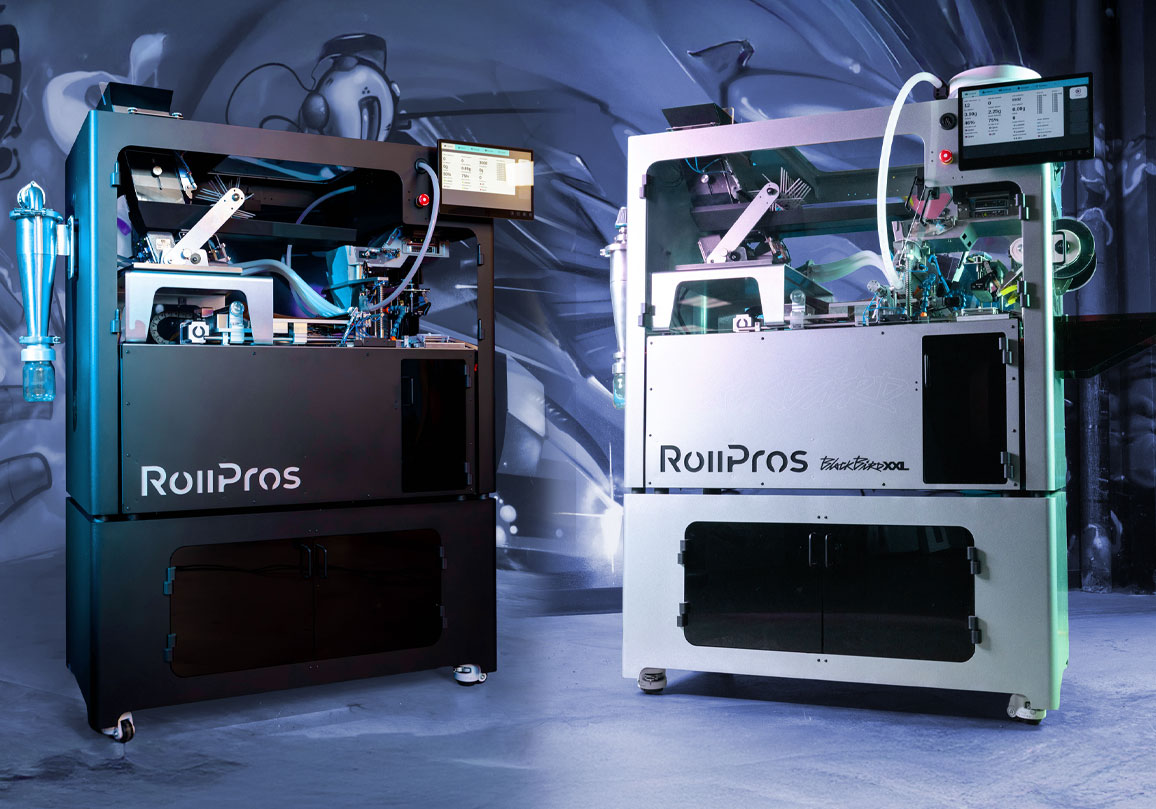
RollPros: Designed AND Built in the US
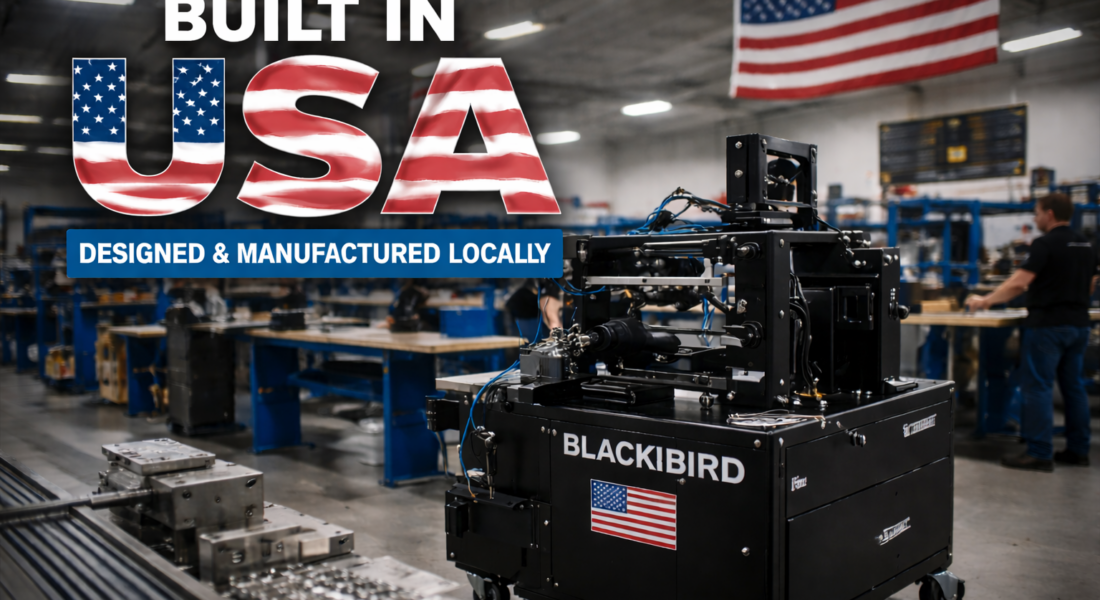
RollPros machines like the Blackbird and Blackbird XXL are designed, manufactured, and assembled in the United States, with the company itself headquartered in beautiful Vancouver, Washington.
That distinction matters. Unlike many “competitors” that outsource production or operate internationally, RollPros maintains:
- Full control over engineering and manufacturing
- Tighter quality assurance standards
- Faster service, parts, and support
- Direct alignment with U.S. cannabis regulations
This isn’t just about geography, it’s about ownership of the entire process.
Speed of Innovation
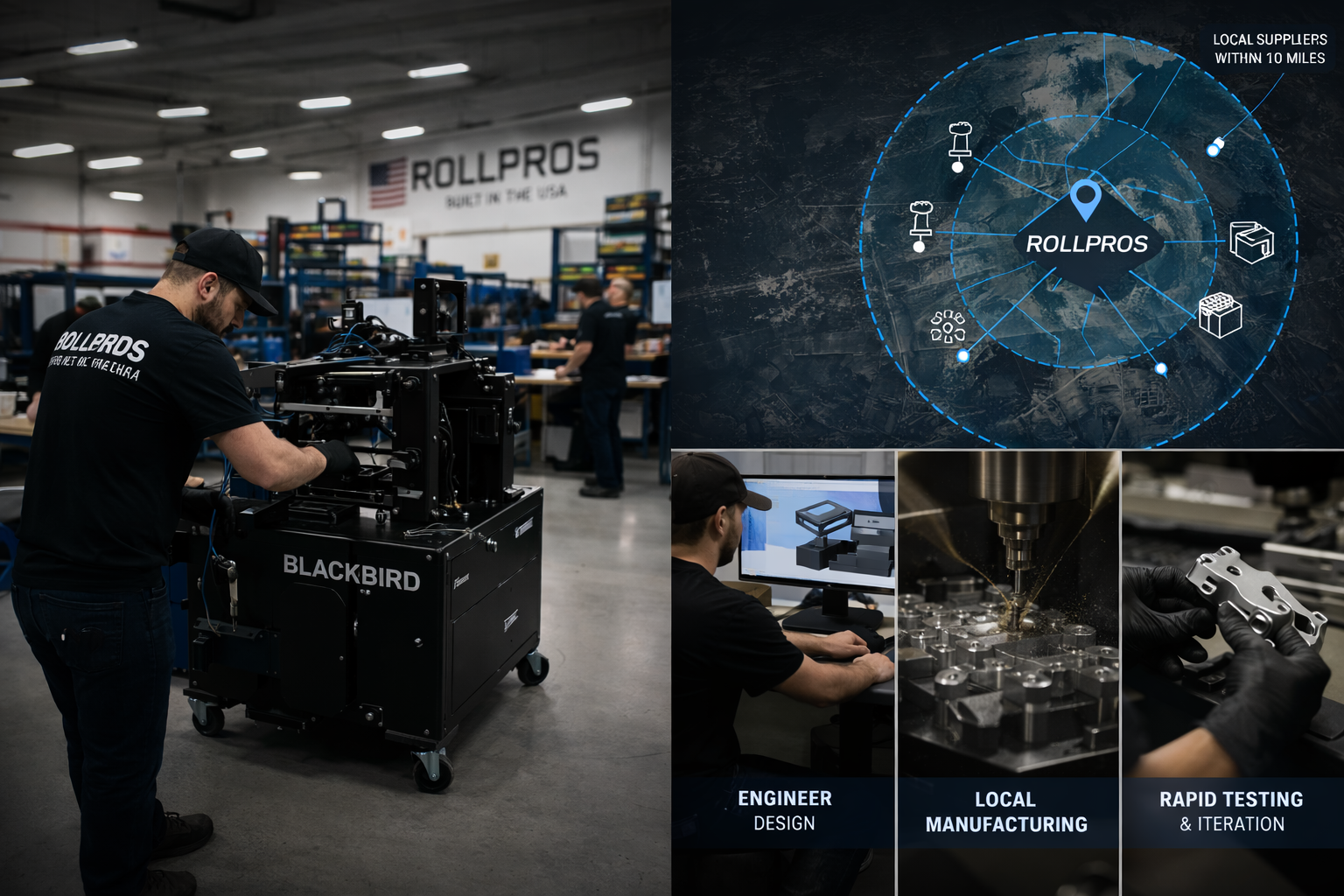
RollPros dedicated itself to not only manufacturing domestically, but practicing what they call “farm to table manufacturing.” Meaning nearly all of the components on the machine are sourced or manufactured within 10 miles of the company headquarters. [Read our article on Sustainable Manufacturing].This is an expensive feat, but the most important reason for doing this is to speed up the innovation process.
RollPros employees often joke that every Blackbird unit that goes out the door is different. That’s not an exaggeration. The engineering team is constantly iterating and improving on the design of the Blackbird, with much of their direction based on customer feedback.The only way for them to make rapid improvements, fixes, or upgrades is to design and manufacture locally.
Let’s say a customer has discovered a previously unknown problem that has been confirmed across multiple customers. The engineers come up with a solution and go through the design process. They then can have our local vendors manufacture a few units of the fix for us to test internally. This can be done in a matter of days thanks to our vendors being close by, compared to a business manufacturing overseas where this process can take months.
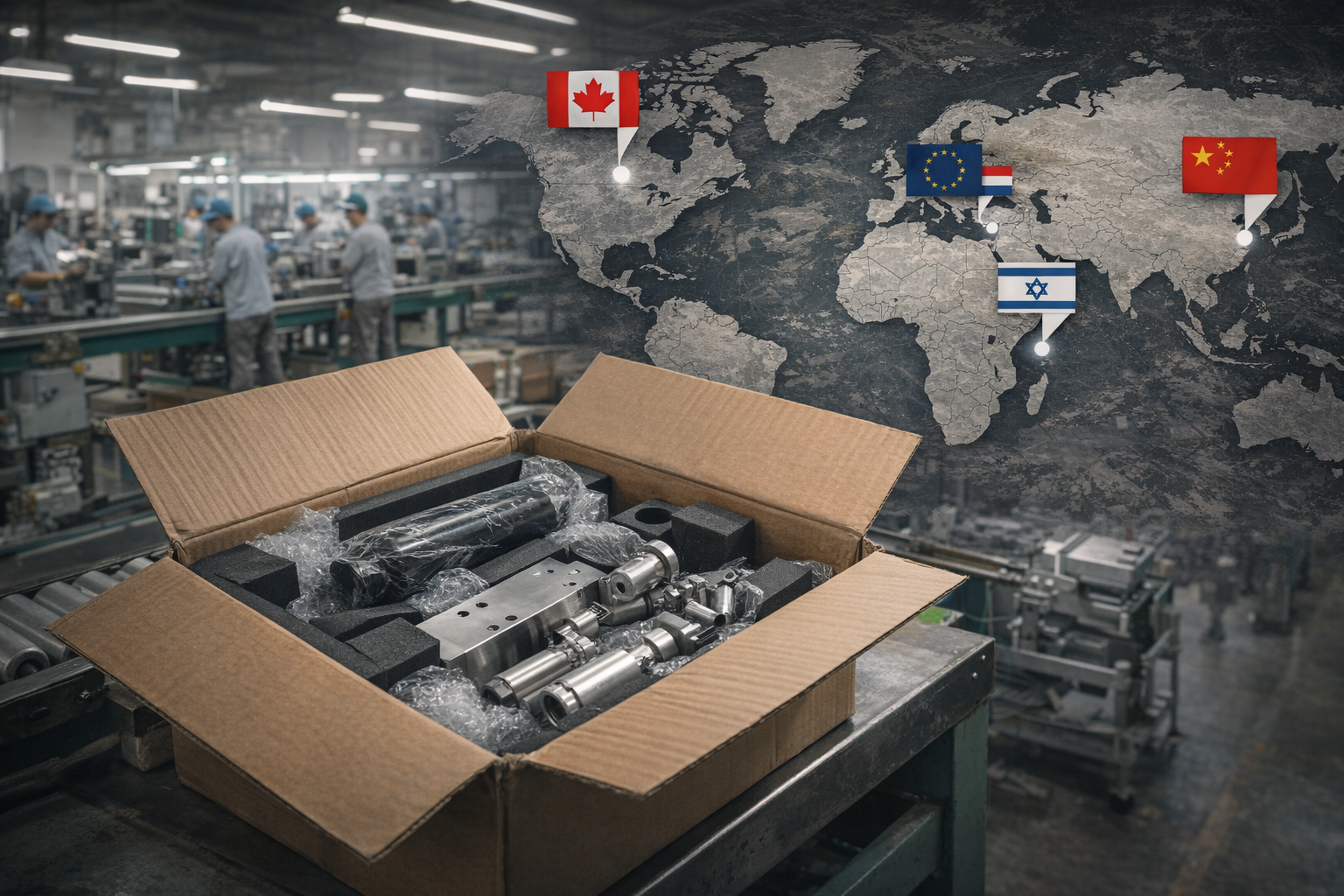
The Reality: Most Competitors Are Not U.S.-Built or U.S.-Based
Despite marketing that may suggest otherwise, many pre-roll machine companies operate outside the United States or rely on non-U.S. manufacturing.
Here are a few examples that illustrate the global nature of the industry:
- Preroll-er (Canada) – Headquartered in Canada, with machines manufactured in Canada
- Hefestus (Israel) – Based in Israel, with manufacturing rooted there and a strong focus on large-scale automation
- European brands – Often headquartered and engineered in countries like the Netherlands, serving a global market
- Other suppliers – Frequently rely on overseas manufacturing (such as China) while distributing into the U.S.
While many of these companies claim a U.S. presence, their structure is fundamentally different from a fully U.S.-based manufacturer like RollPros.
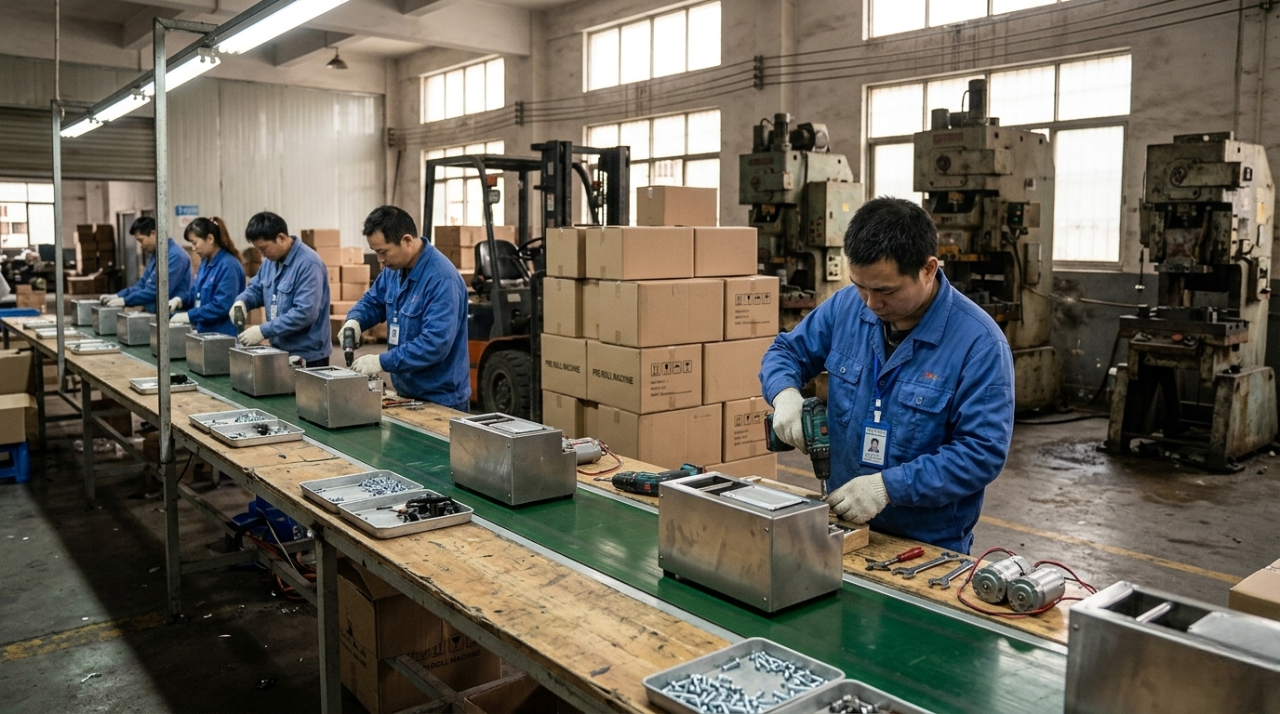
Overseas Production: Lower Cost, Higher Risk
At the entry level, such as “knockbox” style machines, most of these are produced in overseas manufacturing hubs and sold through resellers or distributors.
Advantages:
- Lower upfront cost
- Wide availability
Trade-Offs:
- Inconsistent quality control
- Limited service infrastructure
- Reduced longevity
These machines may work short-term as an entry point to the pre-roll category but will create operational challenges as companies scale.
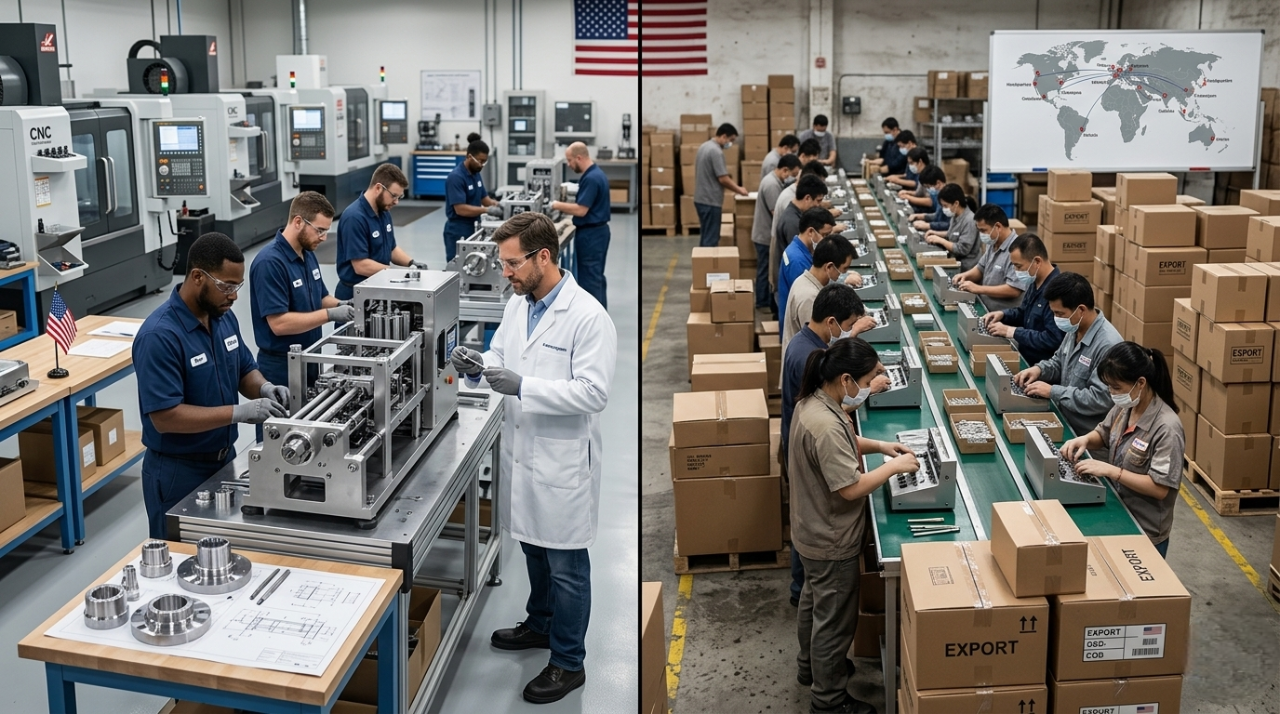
The Key Difference: Where Control Lives
In today’s market, many machines include globally sourced components, but the critical question is: Where does final manufacturing, engineering, and accountability happen?
With RollPros:
- Engineering is owned in-house
- Manufacturing happens in the United States
- The company is U.S.-based and operator-focused
With most competitors:
- Manufacturing occurs outside the U.S.
- Headquarters are international
- Production and support are distributed globally
That difference shows up in performance, reliability, and total cost of ownership.
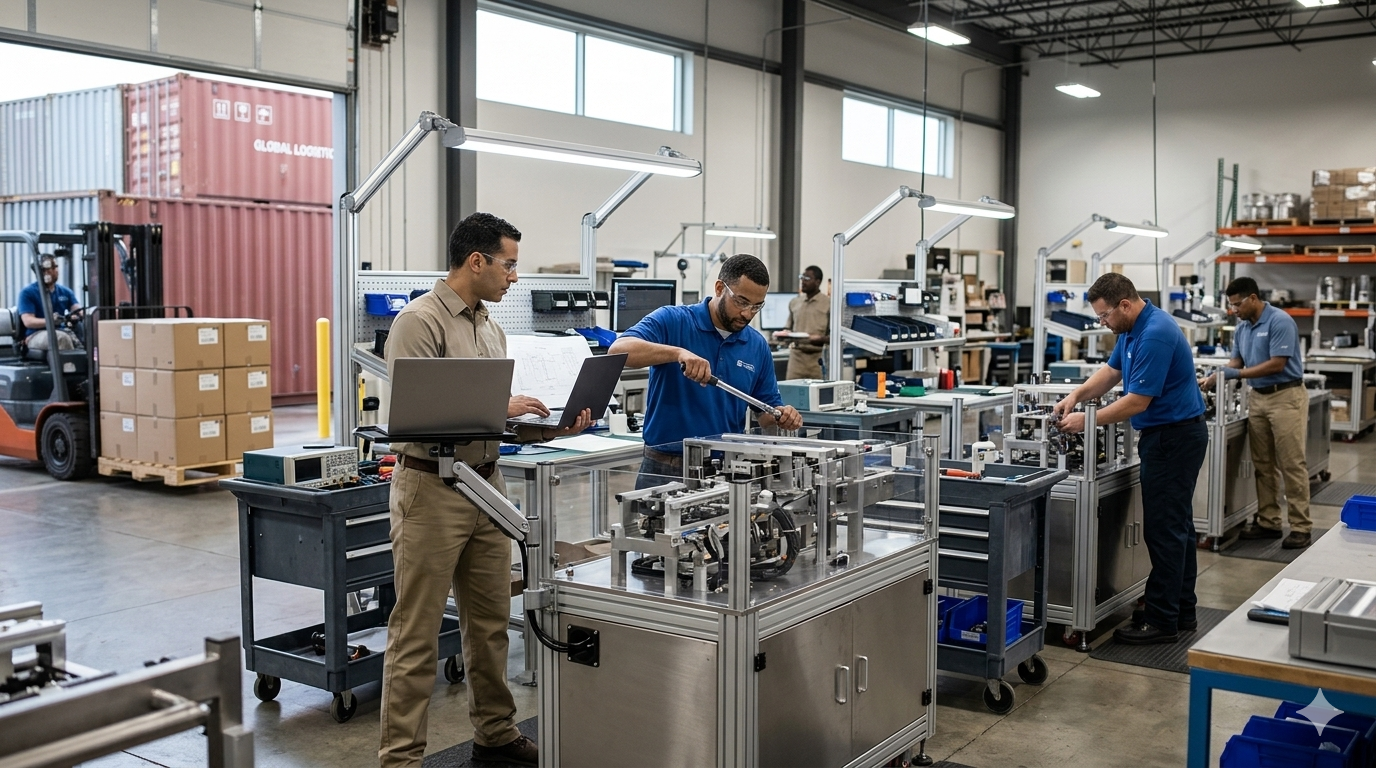
Final Thoughts
The pre-roll machine industry is global, but true U.S. manufacturing and U.S.-based ownership are the exception, not the rule. Companies like Preroll-er (Canada) and Hefestus (Israel) highlight how international the space has become. But for operators focused on reliability, speed, and accountability in the U.S. market, domestic manufacturing offers a clear advantage.
RollPros stands apart by combining:
- U.S.-based headquarters
- Domestic manufacturing
- Full control over engineering and quality
In an industry where downtime is expensive and consistency is everything, that level of control isn’t just a differentiator, it’s a competitive edge.