
What’s the Difference Between Recreational and Medical Dispensary?
Many people assume that all dispensaries operate the same way. You walk in, buy cannabis, and head home. But it’s not as simple as it seems. Two dispensaries on the same street can operate under completely different rules depending on where you live. One may be reserved for registered medical patients, while the other is open to anyone over the age of 21. One customer might pay significantly more in taxes for the same product sitting on the same shelf. Another might have access to products that aren’t even available to recreational shoppers.
Understanding the difference between medical and recreational dispensary options has become more important than ever as laws continue to evolve across the country. Whether you’re completely new to legal cannabis or just trying to figure out which type of cannabis retailer works the best for you, knowing how the different systems work can save you time and money, expand your product options, and help you learn how to shop with confidence. This guide breaks down how a weed dispensary operates in both medical and recreational markets, what makes them different, and what consumers should know before purchasing dispensary weed.

What Is a Recreational Weed Dispensary?

You’ve probably visited a recreational weed dispensary if you’ve ever bought legal cannabis without a medical card. The concept is pretty straightforward. Recreational dispensaries allow adults to purchase cannabis products for personal use. That means customers need to be at least 21 years old and show a valid government-issued ID before entering or making a purchase in most states. Beyond that, the process almost feels like a typical restaurant setting. Check out the menu, ask a few questions, make your selections, and check out.
Most recreational cannabis dispensary locations stock a little bit of everything. Flower, pre-rolls, edibles, concentrates, tinctures, beverages, vape products. If it’s legal in that state, chances are it’s on the menu. The biggest difference is the purpose behind the purchase. Recreational customers shop because they want to, not because they need it for medical reasons. The consumer-first approach influences almost everything about the experience. Most dispensaries heavily focus on variety, promotions, loyalty programs, and creating a welcome environment for shoppers.
A typical recreational location offers:
- Adult-use cannabis access
- No medical card requirements
- A wide variety of products
- State-regulated purchase limits
- Consumer-focused shopping experiences
Recreational dispensary weed provides a simple and legal way to purchase cannabis without having to navigate medical paperwork or registration requirements for millions of users.
What Is a Medical Cannabis Dispensary?

Medical dispensaries serve an entirely different purpose. Rather than focusing on the general public, a medical cannabis dispensary is specifically designed for patients who qualify under their state’s medical marijuana program. Medical cannabis programs continue to play a major role across the United States. According to the CDC, 38 states, the District of Columbia, and three U.S. territories operate comprehensive medical cannabis programs that give qualified patients access to regulated products through licensed providers.
Patient Registration and Verification

Not just anyone can walk in and make a purchase at these locations. Patients typically need to complete an application process, obtain physical approval (if required by the state), and maintain an active medical marijuana card before visiting a medical weed dispensary.
The entire shopping experience is typically different from recreational stores as well. Patients usually have a specific goal in mind when they arrive. Some might be looking for products that manage chronic pain, while others might be exploring options related to sleep, anxiety, PTSD, or other qualifying conditions. Conversations here typically tend to be more detailed compared to recreational stores. Many dispensaries place a stronger emphasis on education, cannabinoid profiles, product formats, and dosing information.
Another major distinction is product access. A medical shop may carry products that recreational customers can’t purchase, depending on state regulations. That includes higher-potency formulas, specialized cannabinoid ratios, and products intended for specific therapeutic applications. At its core, understanding how medical cannabis dispensary works comes down to one thing: they’re built around patient access rather than general consumer demand.
Medical Weed Dispensary vs Recreational: Key Differences

This is where things start to get interesting. From the outside, a medical and recreational retailer can look almost identical. The same display cases, similar products, and sometimes even the same brands. The differences usually show up once you start looking at the rules.
The biggest factor in the medical weed dispensary vs recreational conversation is eligibility. Recreational stores are generally open to any adult who meets the state’s age requirements. Medical dispensaries are reserved for patients who have completed the necessary registration process.
Taxes and Product Access

Product access can vary as well. In some states, medical patients are allowed to purchase stronger formulations, larger quantities, or products that aren’t available through adult-use programs. Recreational consumers may face stricter potency caps and purchase limits depending on local regulations.
Then there’s the pricing side of the equation. Many consumers are surprised to learn that medical patients often pay less for the exact same cannabis product. That’s because states apply lower tax rates to medical purchases or exempt them from certain taxes altogether.
Here’s a quick breakdown:
| Category | Medical | Recreational |
| Access | Medical card required | Age-based access |
| Taxes | Often reduced | Usually higher |
| Product Selection | May include specialized products | Consumer-focused inventory |
| Purchase Limits | Often higher | State retail limits |
| Primary Focus | Patient support | Consumer experience |
For some people, the difference between medical and recreational dispensary options is minor. For others, those differences can have a significant impact on both cost and product availability.
Medical Cannabis Dispensary Requirements

Opening a dispensary is complicated, but opening a medical one is even more complicated. Although each state has its own rules, one thing stays consistent: medical cannabis dispensary requirements are strict.
Before a business can legally operate, it often has to complete an extensive licensing process. That process may include background checks, facility inspections, security reviews, financial disclosures, and compliance audits. The work doesn’t stop once approved.
Compliance and Seed-to-Sale Tracking
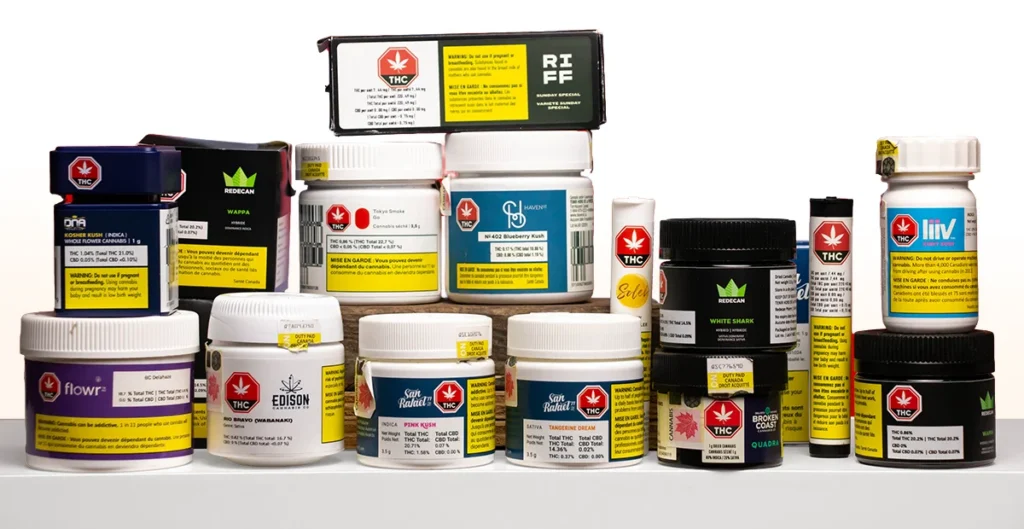
Medical dispensaries are required to maintain detailed records, track inventory from seed to sale, verify patient eligibility, and follow strict testing standards for every product they sell. Patient verification is one of the most important requirements. Before a transaction can take place, a medical weed dispensary must confirm that a patient has an active medical marijuana card and remains eligible under state regulations. In many markets, this process happens electronically in real time.
Other common requirements include:
- Product testing and quality assurance
- Inventory tracking systems
- Security and surveillance measures
- Employee compliance training
- State reporting requirements
While some consumers may never see these systems at work, they’re a major reason medical cannabis programs maintain higher levels of oversight than many traditional retail environments.
Benefits of Choosing a Medical Cannabis Dispensary
For qualified patients, there can be some real advantages to shopping through a medical program. The one most people notice first is cost.
Long-Term Savings for Frequent Consumers

Recreational cannabis taxes can quickly add up. Tax policies vary by state, but the Tax Foundation notes that many medical marijuana programs provide lower tax rates or exemptions that aren’t available to recreational consumers. For patients who purchase cannabis regularly, those savings can become meaningful over the course of a year.
That’s one of the biggest medical cannabis dispensary benefits, but it’s far from the only one. Products that aren’t available in adult-use markets may be accessible to patients. Higher potency formulations, products with specific cannabinoid ratios, and specialized therapeutic options are common examples.
Another benefit is guidance. While employees aren’t medical professionals, staff at a medical weed dispensary are often accustomed to assisting patients and helping them understand product categories, cannabinoid content, and consumption methods. For new patients especially, that level of support can make a huge difference.
Some of the most common benefits include:
- Lower taxes
- Higher purchase limits
- Access to specialized products
- More patient-focused support
- Expanded product availability in some states
For occasional consumers, a recreational location may check every box. For patients who purchase cannabis regularly, though, a medical program can offer advantages that go well beyond what’s listed on a menu.
How Recreational Cannabis Dispensaries Differ in Practice

A recreational cannabis dispensary is built for one thing: adult-use access without barriers. Anyone 21+ (in most states) can walk in with a valid ID and make a purchase. No paperwork, no registration, no medical qualification. That simplicity is the whole point. The experience is intentionally consumer-first. Most recreational locations are designed more like retail spaces than clinical environments. You browse, ask questions, compare products, and decide what works for you. It’s meant to feel familiar, not complicated.
Because of that, emphasis usually lands on variety. A typical cannabis dispensary in the recreational market will stock a wide range of dispensary weed products: flower, pre-rolls, edibles, vapes, concentrates, beverages, and everything in between. The goal is to give customers options, not narrow recommendations.
Staff support is still part of the experience, but it’s generally product-focused rather than condition-focused. Budtenders can walk you through THC percentages, terpene profiles, or format differences, but they’re not operating in a medical treatment framework.
Taxes are another major difference. Recreational products are typically subject to higher taxes, which means the price you see on the shelf is often lower than what you’ll pay at checkout.
In short, a recreational operation is designed for access, variety, and convenience, with a strong retail experience layered on top.
How to Choose a Weed Dispensary

Choosing the right weed dispensary isn’t just about what’s closest to you. It really comes down to what kind of experience you want and what you actually need from cannabis. Start with eligibility. If you qualify for a medical program, that immediately changes your options. If you don’t, a recreational cannabis dispensary is your default path.
Next is cost. Taxes can make a noticeable difference between medical and recreational purchases, even when the product is identical. If you’re a frequent consumer, that gap adds up faster than most people expect.
Then look at product selection. Some dispensaries lean heavily on premium flower and concentrates, while others focus on value products or specific categories like edibles or pre-rolls. Knowing what you usually buy helps narrow things down quickly.
Staff experience is another factor. Some shops keep it pretty straightforward and retail-focused. Others, especially medical environments, tend to go deeper into cannabinoids, dosing, and product guidance.
Finally, think about convenience and compliance. Hours, location, payment options, and state regulations all play a role in what actually makes an operator easy to stick with long-term. At the end of the day, choosing a retailer comes down to balancing price, access, and the kind of support you want when you shop.
FAQ — Recreational vs Medical Dispensaries Explained
A recreational dispensary is open to any adult 21+, while a medical one is limited to registered patients with a medical card and state approval.
A medical dispensary serves patients enrolled in a state medical cannabis program and often follows stricter rules around eligibility and product access.
In some states, they can. Medical programs may allow higher potency products or formulations that aren’t available in recreational markets.
Patients get approved through a state program, then verify their status at the shop before purchasing cannabis products.
Qualification depends on state law, but typically requires a documented medical condition and enrollment in the state’s medical program.
It depends on eligibility, price, product selection, and the type of experience you want. Medical can offer savings and specialization, while recreational focuses on access and convenience.
Final Call to Action
When consumers understand the difference between medical and recreational dispensaries, they’re able to choose the right cannabis retailer to fit their needs. Whether it’s prioritizing medical benefits, cost savings, or convenience, knowing how dispensary weed is regulated empowers smarter purchasing decisions.
At the end of the day, the right weed dispensary heavily depends on how a consumer shops, how often they consume, and what level of support or structure they need. For some, a medical cannabis dispensary offers real long-term value and assistance. For others, recreational access is truly all they’ll ever need. No matter which route a consumer takes, understanding the system makes every purchase more intentional and significantly easier to navigate in the long run.