What’s the Difference Between Indica, Sativa, and Hybrid Pre-Rolls?
Consumers can walk into any dispensary and see pre-rolls sorted into three categories: indica preroll, sativa preroll, and hybrid preroll. To most, those labels tell them exactly what the joint is going to smoke like. The reality is through, it’s not actually that simple.
Consumers have been told for years that indica is for relaxing, sativa is for energizing, and hybrid will get you somewhere in the middle of the two. Sometimes that’s true, but oftentimes it’s completely off. The true experiences come down to the mix of terpenes, cannabinoids, potency, and personal tolerance, not just the category printed on the tube.

That’s the biggest reason why two products with the same label can hit totally different. One sativa preroll can make you feel clear-headed and productive, and another can have you feeling racy and overwhelmed. The same goes for indica and hybrid products.
This guide breaks down what indica, sativa, and hybrid actually mean when you’re buying pre-rolls today. Where the categories came from. What they still tell you, what they don’t, and how to shop smarter by looking beyond the label is what we’ll cover.
Indica vs. Sativa vs. Hybrid — What the Categories Originally Meant

In the beginning, indica and sativa actually had nothing to do with cannabis making you feel relaxed or energized. The terms were used to describe how the plants physically grew.
Indica plants were shorter, bushier, and faster to flower, and they could handle the cold climates well. They also grew in tighter spaces easier. On the other hand, sativa plants were taller, thinner, and took a lot longer to mature. They thrived in warmer environments and had longer growing seasons.
Over time, the industry started connecting those plant types to effects. A typical indica preroll became associated with body-heavy relaxation, while a sativa preroll became known for uplifting, cerebral effects. The problem is that plant structure doesn’t reliably predict how a product will actually feel.
Today’s modern genetics are heavily crossbred, and many strains contain both indica and sativa lineage. What that means is that a preroll indica from one brand can feel entirely different from a preroll sativa from somewhere else.
The categories still stick around because they’re familiar and easy to market. They give consumers a rough starting point, but they’re far from exact. When shopping for pre-rolls, the chemistry inside the product matters a lot more than the label alone.
What “Indica Pre-Roll” Actually Means at the Dispensary
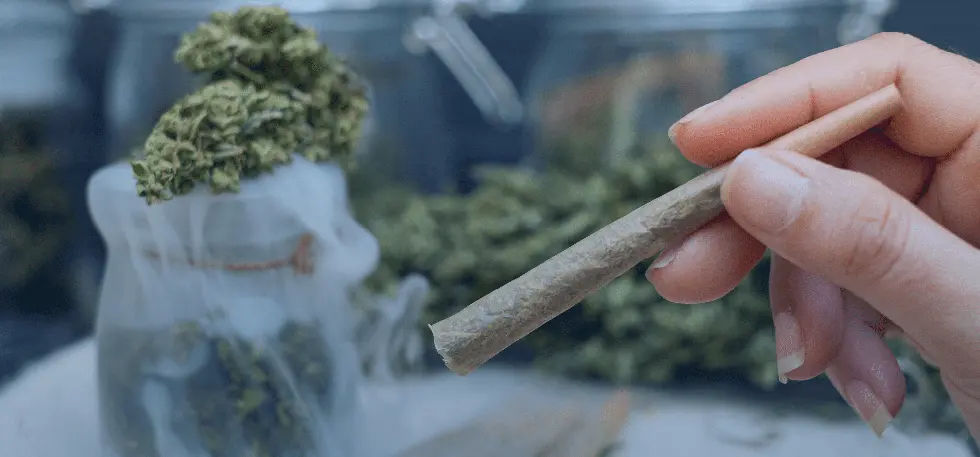
An indica preroll at the dispensary is typically marketed as the “nighttime” option. Consumers use it expecting to feel relaxed, body-heavy effects that will help them unwind and slow down for the evening. Strains like Grandaddy Purple, Northern Lights, and OG Kush are commonly tied to the indica category.
While that association exists for a reason, it’s really not as simple as “indica equals sleepy time”. Terpene and cannabinoid profiles inside the pre-roll are what truly shape the experience.
A few terpenes commonly found in relaxing products include:
- Myrcene
- Linalool
- Beta-caryophyllene
Calming and body-forward effects are typically associated with these compounds. CBD and THC levels also matter on top of that. A preroll indica that’s lower potency and has some CBD might feel smooth and balanced, while one with a high-THC count may feel heavy and overwhelming. That’s why two entirely different indica preroll products can deliver entirely different experiences, even when they have the same label.
For someone who wants something for evening use, recovery, or relaxation, the indica category is a good place to start, but it’s not the final answer. The best bet is checking out the terp profile, cannabinoid percentages, and strain lineage before purchasing.
What “Sativa Pre-Roll” Actually Means at the Dispensary

On the opposite end of the spectrum, a sativa preroll is typically marketed as a social, uplifting experience for daytime use. Consumers typically look for sativa products when they want to focus, be creative, or have a more active experience. Jack Herer, Sour Diesel, Durban Poison, and Green Crack are some of the most popular strains.
But just like indica products, the label only tells part of the story.
The effects associated with sativa strains are typically tied to specific terp profiles and not just the category itself. Terpenes commonly found in cerebral or energetic products include:
- Limonene
- Pinene
- Terpinolene
Alertness, mood elevation, and mental clarity are often connected with these compounds. Having said that, THC percentage does still matter. A preroll sativa with a high-potency can feel overwhelming for some consumers, especially those with a lower tolerance.
On the flip side, a lower-THC sativa preroll may feel functional, smooth, and easy to enjoy during the day.
That’s why the best preroll sativa isn’t automatically the strongest one on the shelf. The best fit depends on what someone is actually looking for, whether that’s focus, motivation, creativity, or social energy.
Consumers who are shopping for daytime use products should look for terpene data and lab testing rather than relying entirely on the label.
What “Hybrid Pre-Roll” Actually Means — and Why It’s the Most Common Category

Exactly what it sounds like, a hybrid preroll is: a product made from cannabis genetics that combines both indica and sativa lineage. Where we’re at today, that describes the majority of what’s on the legal cannabis market.
Today’s breeders have created such blended genetics that true landrace indica or sativa strains are quite uncommon in commercial production. Hence why hybrids are now the most common product you’ll see on dispensary shelves.
Some brands get more specific with labels like:
- Indica-dominant hybrid
- Sativa-dominant hybrid
- Balanced hybrid
Just like indica and sativa, those labels can help point consumers in the right direction, but they don’t show everything that’s inside.
The true experience comes from the cultivator itself, terpene expression, and cannabinoid profiles. Although they can feel dramatically different from each other, strains like Blue Dream, Gelato, Wedding Cake, and Runtz are all technically hybrids.
That’s where consumer confusion starts. If most products are technically hybrids, the category itself becomes less useful without additional information.
Hybrid preroll products should be viewed as a middle-ground starting point for consumers. It suggests a mix of all effects, but doesn’t guarantee balance, relaxation, or energy on its own. It all comes down to the chemistry behind the product.
How to Actually Choose a Pre-Roll — What to Look at Beyond the Indica/Sativa Label

If you want a more predictable pre-roll experience, there are better things to focus on than whether the package says indica, sativa, or hybrid.
Here’s what actually matters:
THC Percentage
THC is the biggest factor behind potency and intensity. Higher THC doesn’t always mean better, especially for newer consumers or daytime use.
CBD Content
CBD can help balance out THC effects and may create a smoother overall experience. Even small amounts can noticeably change how a pre-roll feels.
Terpene Profile
This is where a lot of the real effect prediction happens.
- Limonene and pinene are often tied to energy and focus
- Myrcene and linalool are commonly associated with relaxation
- Caryophyllene is usually connected to body-forward effects
Strain Name
Even when terpene data isn’t available, cultivar reputation still helps. Consumers often return to strains they’ve had good experiences with before.
The phrase best preroll sativa means different things to different people. One consumer may want motivation and clarity, while another wants something social but not overly intense. The “best” option is the one that matches the intended use case.
It’s also important to understand format differences:
- Single-strain pre-rolls tend to feel more predictable
- Blended pre-rolls combine multiple cultivars
- Infused pre-rolls usually hit much harder
Dispensaries that provide full lab data make it much easier to shop consistently and avoid surprises.
Indica, Sativa, and Hybrid Pre-Rolls — Effects by Use Case

Most consumers get better results choosing pre-rolls based on the experience they want instead of shopping strictly by category name.
Sleep and Nighttime Relaxation
Indica preroll products are typically the go-to for evening use because they often contain the relaxing terpene profiles like myrcene and linalool. While the association does make sense, the high THC products can still feel overwhelming for many consumers.
Daytime Energy and Focus
Sativa preroll products are often tied to productivity, movement, and daytime use. Products with a higher level of limonene and pinene are often preferred for mental clarity and focus.
Social Situations and Creativity
The reason why hybrids are so popular in social settings is because they typically combine both cerebral and body effects without leaning too far in either direction. Products with moderate THC levels are usually easier to manage in group settings.
Pain and Physical Tension
When it comes to heavier bodily effects, most consumers will reach for a preroll indica or indica-dominant hybrid. Their terpenes, like beta-caryophyllene, are typically associated with physical comfort.
Anxiety-Conscious Consumers
Lower-THC products with balanced cannabinoid ratios are usually the better fit here regardless of whether the label says indica, sativa, or hybrid preroll.
Use cases are ultimately more useful than categories. The label can help narrow the options down, but it should never be treated as a guarantee.
Reading a Pre-Roll Label — What the Information Actually Tells You

Learning how to read a pre-roll label makes shopping a lot easier, especially when brands provide detailed testing information.
THC Percentage
This number measures potency, but higher isn’t always better. Many consumers prefer products in the mid-range because they feel more functional and balanced.
CBD Percentage
CBD can influence how THC feels and may help soften intensity for some consumers.
Terpene Information
If a terpene panel is included, it gives valuable insight into expected effects.
Common examples include:
- Myrcene for relaxation
- Limonene for mood elevation
- Pinene for clarity
- Caryophyllene for body-heavy effects
Strain or Cultivar Name
Strain names still matter because they carry community familiarity and repeatable genetics.
Indica, Sativa, or Hybrid Label
Treat the category as a broad guide only. A preroll sativa can still feel mellow, while a strong preroll indica may feel mentally intense depending on the chemistry.
Net Weight and Count
Always compare total weight and how many pre-rolls come in the pack when checking value.
Batch Number and COA
Some brands provide QR codes that link directly to lab results and full testing information.
The more transparent the label is, the easier it becomes to find products that consistently work for your preferences.
Frequently Asked Questions — Indica, Sativa, and Hybrid Pre-Rolls
Sometimes, but not always. The relaxing effects tied to an indica preroll are usually connected to terpene profile and cannabinoid content more than the label itself.
Yes. High THC products can feel overwhelming regardless of category. Some consumers are more sensitive to potent sativa preroll products than others.
Potency comes from THC percentage and infusion methods, not whether a product is indica, sativa, or hybrid preroll.
They can be. Balanced hybrids with moderate THC levels are often approachable, but consumers should still review terpene and cannabinoid data first.
The best preroll sativa for energy is usually one higher in limonene or pinene with manageable THC levels.
It’s a little of both. The categories originated from plant structure, but modern cannabis effects are influenced much more by terpene and cannabinoid chemistry than genetics alone.