What Is THC? Meaning, Types, Effects, and Differences Explained
THC is the compound most people connect with cannabis, but its role is broader than simply causing a “high.” It sits at the center of medical research, product development, and consumer education across the cannabis space. New variants like THCa and THCP have also added complexity to how people understand potency and effects.
In this guide, you will learn what is THC, how it works in the body, how different THC forms compare, and how it differs from CBD. We will also cover effects, testing, and practical consumer considerations so you can make informed decisions in today’s fast-moving cannabis market.

What Is THC? Definition and Basic Meaning
THC stands for tetrahydrocannabinol, the primary psychoactive cannabinoid in cannabis. When people ask what THC is, they are usually referring to the compound that produces the mental and sensory effects commonly associated with marijuana.
In everyday conversation, THC is often described simply as the part of cannabis that “gets you high.” In clinical and research settings, the THC meaning is more precise. It is a cannabinoid that binds to receptors in the body’s endocannabinoid system, influencing mood, perception, appetite, pain, and other physiological functions. This interaction is why THC produces noticeable effects and why its impact can vary depending on dose, delivery method, and individual biology.
From a THC meaning medical perspective, THC has been studied and used for:
- Pain management: Reducing chronic or acute pain for medical conditions.
- Appetite stimulation: Helping patients with appetite loss, such as those undergoing chemotherapy.
- Nausea reduction: Supporting individuals dealing with nausea or vomiting.
- Muscle spasm control: Assisting patients with conditions like multiple sclerosis.
THC primarily interacts with CB1 receptors in the brain and nervous system. Unlike many plant compounds with mild physiological effects, THC directly affects neurotransmitter release, which is why even small doses can produce noticeable changes in mood, perception, and physical sensation.
Understanding these mechanisms is crucial for consumers, medical patients, and anyone looking to navigate cannabis products safely and effectively.

What Is THC-A (THCa) and How Is It Different From THC?
Many consumers see labels mentioning THCa and wonder what is THC-A and whether it is the same as THC. The short answer is no. THCa is the acidic precursor to THC and appears naturally in raw cannabis flower.
Before heat is applied, cannabis contains very little active THC. Instead, it contains THCa. When exposed to heat through smoking, vaping, or cooking, THCa converts into THC through a process called decarboxylation.
Raw Cannabis vs Heated Cannabis
- Raw flower contains mostly THCa
- Heated flower converts THCa into THC
- THCa itself is not strongly psychoactive
- THC produces the well-known intoxicating effects
This is why eating raw cannabis does not typically produce a high, but smoking it does.
Chemical and Functional Differences
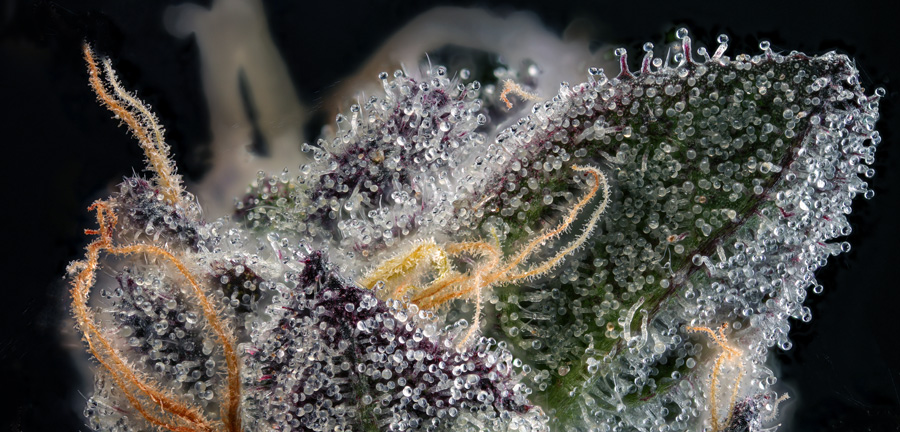
When comparing what is THCa vs THC, the difference comes down to molecular structure and receptor activity. THCa has an extra carboxyl group that prevents it from binding efficiently to CB1 receptors. After heating, that group is removed and THC can bind more effectively.
Consumers researching what is THC a vs THC or what is the difference between THCa and THC should know that product format matters. A label high in THCa may still deliver strong THC effects once heated.
From a labeling standpoint, THC a meaning usually refers to potential THC after conversion, not immediate psychoactive strength.
Expert tip: Always check whether potency numbers are listed as THCa, THC, or total potential THC. They are not interchangeable.
What Is THC-P (THCP)? Potency and Consumer Interest
Cannabis science continues to evolve, and newer cannabinoids are gaining attention. One of the most talked about is THCP. Many people now ask what is THC P or what is THC-P when reviewing advanced product labels.
THCP was identified by researchers in 2019 and appears in very small amounts in cannabis. Early lab findings suggest it binds to cannabinoid receptors more strongly than THC.
THCP vs THC Binding Strength
In discussions of what is THCP vs THC, the key difference is receptor affinity. THCP appears to attach more tightly to CB1 receptors, which may increase effect intensity. However, real-world consumer response can vary widely.
THC p meaning in retail products usually signals higher theoretical potency, not guaranteed stronger experience. Factors like dose, tolerance, and formulation still matter.
Because research is still developing, consumers should approach high-potency cannabinoids carefully:
- Start with very low doses
- Avoid mixing with alcohol
- Use tested, labeled products
- Monitor personal response
THC vs CBD — What Is the Difference?
A common question is what is the difference between THC and CBD. Both are cannabinoids, but they produce very different effects.
CBD, or cannabidiol, is non-intoxicating and widely used in wellness products. THC is psychoactive and produces noticeable mental and sensory changes.
Core Differences at a Glance
| Feature | THC | CBD |
| Psychoactive | Yes | No |
| Main receptor activity | Strong CB1 binding | Indirect interaction |
| Typical use | Recreational and medical | Wellness and medical |
| Sensation | Euphoria, altered perception | Calm, balance support |
When evaluating what is the difference between CBD and THC, it helps to think in terms of goals. Someone seeking symptom relief without intoxication may prefer CBD. Someone seeking appetite support or stronger pain modulation may consider THC products where legal.
Lifestyle, work requirements, and sensitivity all influence the right choice.
What Does THC Do? Effects, Use, and Perception
Understanding what THC action requires looking at both mental and physical effects. THC works by interacting with the body’s endocannabinoid system, influencing how the brain processes signals and how the body regulates functions such as pain, appetite, and mood. Its effects can vary widely depending on dose, product type, and individual biology.
Common Effects of THC
Users may experience a mix of physical and mental effects, including:
- Altered perception of time: Minutes may feel longer or shorter than usual.
- Elevated mood or euphoria: A sense of happiness or heightened sensory awareness.
- Increased appetite: Often called “the munchies,” THC can stimulate hunger.
- Relaxation or drowsiness: Muscles may feel loose and the mind calm.
- Short-term memory changes: Temporary difficulty recalling recent events or details.
Why Dose and Format Matter
THC effects are not one-size-fits-all. They depend on:
- Dose: Higher doses typically produce stronger effects but may also increase side effects like anxiety.
- Delivery method: Smoking and vaping act quickly, often within minutes, while edibles and tinctures can take 30–90 minutes to onset but last several hours.
- Personal tolerance: Regular users may require higher doses to feel similar effects.
- Body chemistry: Metabolism, body weight, and individual sensitivity all play a role.
For example, edibles often feel stronger and last longer because THC is processed in the liver, converting it into 11-hydroxy-THC, a compound that can cross the blood-brain barrier more efficiently. Inhaled THC acts faster but usually wears off sooner, making timing and context important.
From a medical perspective, thc m meaning is sometimes used informally to describe medical THC use, where careful dosing and monitoring target symptom relief rather than recreational effects.
Practicing Responsible Use
Responsible THC use includes:
- Start low, go slow: Begin with a small dose, especially for edibles or high-potency products.
- Wait for full onset: Effects from edibles can take longer, so avoid taking more too quickly.
- Avoid impaired activities: THC affects motor skills and judgment, so don’t drive or operate machinery while under the influence.
- Track your response: Keeping notes on dose, timing, and effects can help refine future use.
By understanding how THC affects the mind and body, consumers can enjoy the benefits safely and maximize positive experiences while minimizing unwanted side effects.

THC Drug Test Meaning — What Consumers Should Know
Testing is one of the most misunderstood areas of cannabis use. The THC drug test meaning is not about measuring current intoxication. Most tests detect metabolites that remain after THC is processed by the body.
Standard urine tests look for THC-COOH, a non-psychoactive metabolite stored in fat tissue and released over time.
Detection Basics
- Tests usually detect metabolites, not active THC
- Detection windows vary from days to weeks
- Frequent users test positive longer
- Product legality does not guarantee test safety
THC vs THCa in Testing
People researching what is THC-A often assume THCa products are test safe. That is risky. Heating converts THCa to THC, and even partial conversion can contribute to positive results.
Detection windows depend on:
- Frequency of use
- Body fat percentage
- Test sensitivity
- Product potency
Important: Legal purchase does not equal protection from employer drug policies.
Practical Guide: Comparing THC Forms
Understanding the different forms of THC can be confusing, especially with new variants appearing on product labels. This guide offers a quick reference to clarify the main differences and help you interpret potency, effects, and product information.
| Compound | Psychoactive | Found In | Key Notes |
| THC | Yes | Heated cannabis | The primary intoxicating cannabinoid responsible for the classic “high.” |
| THCa | Minimal | Raw cannabis | Non-psychoactive until heated; converts to THC through decarboxylation. |
| THCP | Likely strong | Trace levels | Newly discovered cannabinoid with higher receptor affinity, potentially producing more intense effects. |
Use this table when reviewing lab reports or product specifications, especially for questions like what is THCa vs THCor what is THC a vs THC. Knowing which form you’re consuming helps you predict effects, plan dosing, and make informed decisions about safety and potency.

Common Mistakes Consumers Make With THC
Even experienced cannabis users can make errors that affect safety, potency, and overall experience. Being aware of these common mistakes can help you use THC responsibly and get the results you want.
- Assuming THCa products cannot cause a high: Raw cannabis contains THCa, which isn’t psychoactive until heated. However, many products convert THCa to THC during use, so underestimating their potential effects can lead to unexpected highs.
- Ignoring total potential THC numbers: Labels often list THCa and THC separately. Understanding the total potential THC ensures you know the true potency of a product before consuming.
- Taking edible doses too quickly: Edibles take longer to kick in, sometimes 30–90 minutes or more. Taking additional doses too soon can result in an overly intense experience.
- Mixing high THC with alcohol: Combining these substances can amplify impairment, increase anxiety, and reduce coordination. Approach this combination cautiously or avoid it altogether.
- Believing new cannabinoids are automatically safer: New variants like THCP may be more potent than traditional THC. Don’t assume novelty equals safety—always start with small doses and understand product lab results.
Avoiding these mistakes improves both safety and satisfaction, helping you enjoy cannabis confidently. Understanding what is THCa vs THC and paying attention to product labeling and dosage can make a significant difference in your experience.
FAQ — Understanding THC
It is a psychoactive cannabinoid in cannabis that affects mood, perception, and several body systems.
THCa is non-psychoactive until heated and converted into THC through decarboxylation.
It is a recently identified cannabinoid with stronger receptor binding than THC and possible higher potency.
THC is intoxicating while CBD is non-intoxicating and often used for wellness support.
In medical contexts, it refers to therapeutic applications such as pain relief, appetite support, and nausea control.
After heating or conversion, it can contribute to positive THC metabolite results.
Why Understanding THC Matters for Today’s Cannabis Market
THC is no longer a simple concept tied only to smoking cannabis. It now includes multiple forms, evolving research, and increasingly precise product labeling. Knowing what is THC, how conversion works, and how variants compare helps consumers choose products responsibly and brands communicate clearly.
Education supports better outcomes across the industry, from patient care to product development and quality control. As cannabinoid science advances, informed users will be best positioned to evaluate potency, safety, and value.Curious how THC, THCa, and emerging cannabinoids shape modern cannabis products? Explore how education, responsible use, and evolving science continue to redefine the cannabis industry in the United States. For equipment and process guidance tied to consistent cannabis production, you can also contact RollPros for more information.