What Is a Hash Hole? The Donut Pre-Roll, Explained
So, what is a hash hole pre-roll exactly? A hash hole is an infused pre-roll built around a cylindrical core of hash or hash rosin running lengthwise through the center of the flower. Because the dense concentrate burns slower than the flower around it, it leaves a signature donut-shaped hole in the ash, which is how it got its name.
Unlike a standard joint or a typical infused pre-roll, a hash hole joint keeps the concentrate in one continuous center core. That setup gives hash hole pre rolls their distinctive burn, flavor, and potency.
Table of Contents
- Why It’s Called a Hash Hole
- Hash Hole vs. Infused Pre-Roll vs. Standard Pre-Roll
- Who Invented the Hash Hole?
- How Strong Is a Hash Hole?
- How to Smoke a Hash Hole
- How Hash Holes Are Made
- What Do Hash Holes Cost?
- How to Store a Hash Hole
- Frequently Asked Questions
Why It’s Called a Hash Hole (and What the “Donut” Means)
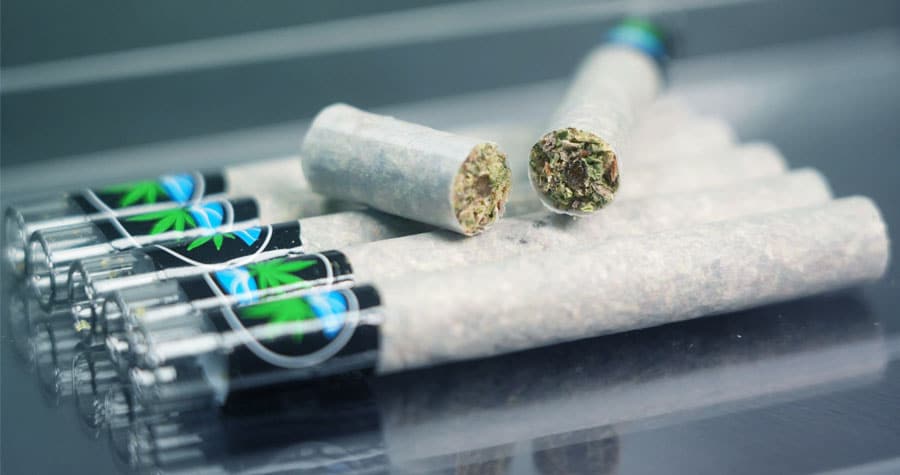
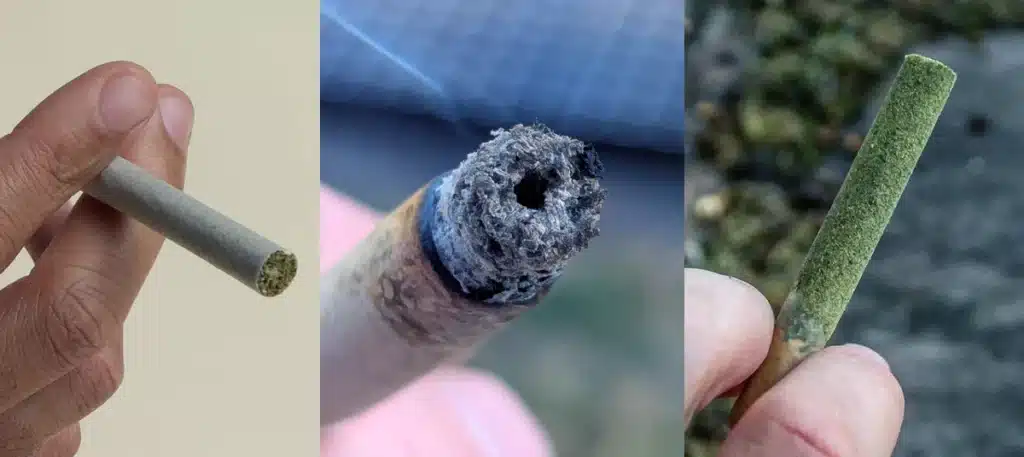
The hash hole meaning is pretty literal. Look at a hash hole from the end and you’ll see the basic idea. There’s a darker concentrate core in the middle, surrounded by a ring of ground flower. As the joint burns, the denser hash or rosin burns more slowly than the flower around it, eventually leaving a hollow center surrounded by an ash ring.
That’s where names like hash hole donut, donut joint, donut hole, and hash donut come from. You’ll also hear terms like snake hole, wormhole, hash worm, diamond donut, and powdered donut. The last two usually refer to variations involving THCA diamonds, either as a center core or as a coating.
The basic construction is pretty simple: a flower shell surrounds a rosin or hash core, and the outside may be dusted with kief. Some are finished with a glass tip, too.
Hash Hole vs. Infused Pre-Roll vs. Standard Pre-Roll
The biggest difference between these formats isn’t simply whether they contain concentrate. It’s where the concentrate goes.
| Format | Where the concentrate goes | Typical potency | Burn time | Typical price | Best for |
| Standard pre-roll | Flower only | ~15-25% THC | 5-15 min. | $5-15 | Everyday smoking |
| Kief-dusted / caviar | Coated on the outside | ~20-35%+ | 10-20 min. | $10-25 | Extra flavor and potency |
| Distillate-infused | Blended throughout flower | ~25-40%+ | 10-20 min. | $10-30 | Consistent, strong effects |
| Hash hole | Discrete center core | ~35-40%+ | 30-60 min. | $40-80 | Flavor, potency, and a slower experience |
An infused pre-roll is the broader category. Concentrate can be mixed into the flower, coated onto the outside, or placed into a center channel. A hash hole is specifically defined by that discrete center core.
That’s also why moon rocks, caviar, and sun rocks aren’t technically hash hole joints. Those products use concentrate or kief as an exterior coating rather than putting a continuous core down the middle.
Who Invented the Hash Hole?
The modern hash hole is generally credited to Los Angeles cultivator Shant Damirdjian, better known as Fidel or Fidel Hydro, the founder of Fidel’s Hash Holes.
According to L.A. Magazine, Fidel made the first version in March 2018 after seeing industry veterans at Spannabis in Barcelona roll an eighth of flower around a rosin “worm” as a way to celebrate California flower. He brought the idea home and started hand-rolling his own version.
Fidel’s Hash Holes eventually made their way into California dispensaries by 2021, helping turn what had been a specialty hand-rolled joint into a recognizable product category.
The original Fidel’s format used about 2.5 grams of flower and 1 gram of rosin, while the Mini used about 1.5 grams of flower and 0.5 grams of hash. The brand is known for using six-star ice water hash.
There’s one important distinction here. Fidel didn’t invent the idea of putting hash in a joint. Hashish has been consumed with flower and tobacco across parts of Morocco, the Middle East, and Europe for centuries. What Fidel pioneered was the modern center-core format and the hash hole product category.
How Strong Is a Hash Hole, Really?
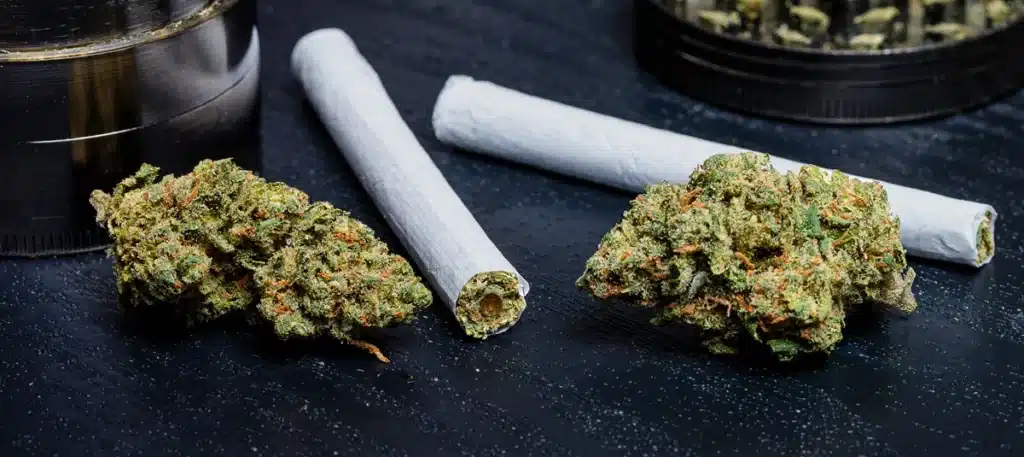
There’s no single THC percentage that defines a hash hole. The final potency depends on the flower, the type and amount of concentrate, the ratio between them, and how the finished product is tested.
A typical flower pre-roll might contain around 15-25% THC, while some high-THCA flower tests considerably higher. Hash and rosin concentrates can reach 60-80% or more, so adding a substantial concentrate core can dramatically increase the total cannabinoid load.
You’ll often see hash holes described as testing around 35-40%, but that’s better treated as a rough range than a universal number. A more useful way to think about it is that a properly made hash hole can contain roughly two to three times the total cannabinoid load of a standard pre-roll, depending on the size of the core.
There’s another reason the printed percentage can be misleading. Some lab testing measures the flower shell rather than the concentrate core, meaning the number on the package may not tell the whole story.
Hash holes also aren’t the same thing as dabbing. Concentrates used for dabbing can test 60-90% or higher, while a hash hole combines concentrate with a much larger amount of flower. It’s somewhere between a traditional pre-roll and a dab in terms of intensity.
And despite some claims that the hash core only melts from radiant heat, the concentrate can combust. It simply burns differently because the core is denser than the surrounding flower.
That solventless process is part of why hash rosin is so popular in hash holes. The concentrate can deliver a strong combination of cannabinoids and terpenes without the more processed profile associated with products such as distillate.
How to Smoke a Hash Hole Without Wasting It

Hash holes aren’t difficult to smoke, but they’re not quite the same as a standard joint. The concentrate running through the center changes how the joint burns, so lighting it evenly and taking your time can make a big difference.
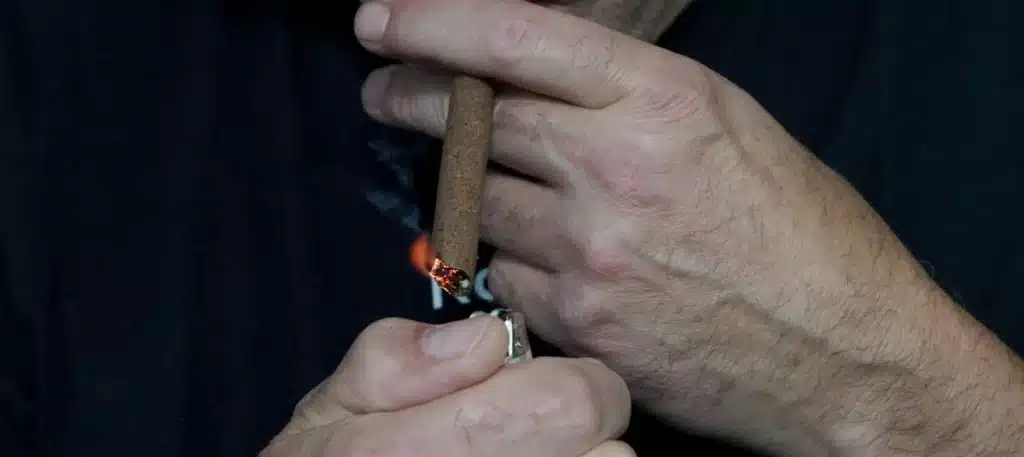
How to Light and Smoke a Hash Hole
- Toast the tip evenly. Hold the flame near the end and rotate the joint slowly until the entire tip is evenly charred. Avoid concentrating the flame on one spot.
- Light the full circumference. Continue rotating the joint while applying gentle heat until the tip catches evenly. An even cherry helps prevent canoeing right from the start.
- Take slow, gentle pulls. Once it’s lit, think “sip, don’t rip.” Hard pulls can make the joint burn too hot, cause the concentrate to flow unevenly, and create a harsher hit.
- Rotate as you smoke. Turn the joint between pulls to help the flower burn evenly around the concentrate core. The growing ash ring can also help insulate the joint and stabilize the burn.
- Let it burn at its own pace. Hash holes can take 30–60 minutes to smoke, compared with roughly 5–15 minutes for a standard joint. There’s no need to rush it.
- Troubleshoot as needed. If the joint starts canoeing, gently apply a little heat to the slower-burning side while rotating it. If it keeps going out, relight it evenly rather than taking harder pulls. If concentrate leaks from the side, the core or flower distribution may be contributing to the problem.
- Take breaks when you need them. It’s common to extinguish a hash hole and return to it later. If you’re new to them, start with a few puffs and give yourself time to see how you feel before continuing.
The biggest takeaway? Keep the lighting even, take gentle pulls, and don’t rush the burn.
How Hash Holes Are Made
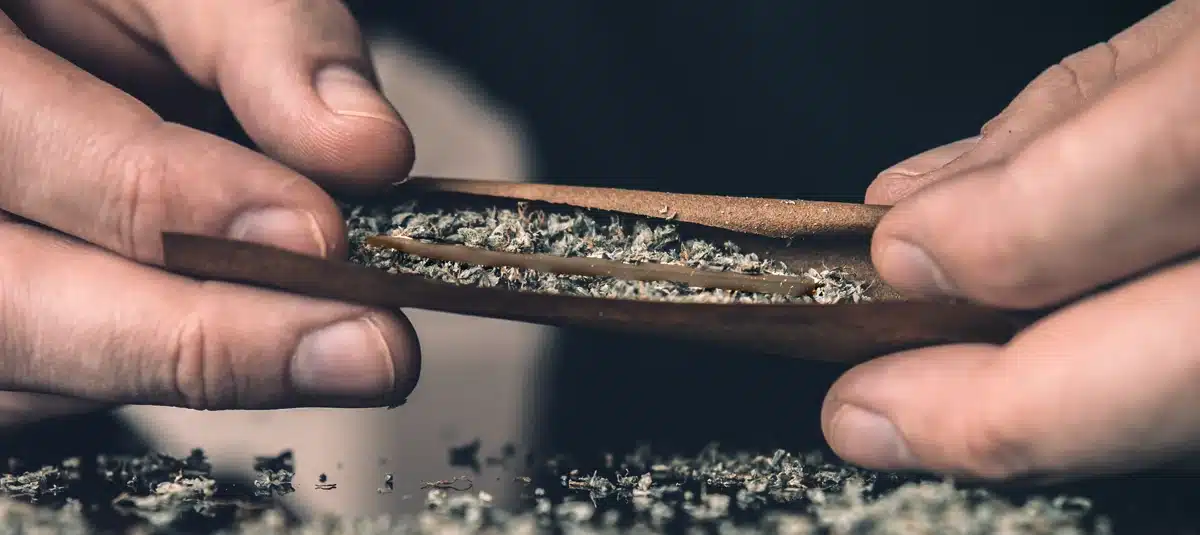
The Hand-Rolled Method
Traditional hash holes are made by hand, which is a big part of why they’re expensive.
A roller starts with finely ground flower spread across a king-size paper and a crutch or glass tip. The hash or rosin is shaped into a thin “worm” and placed lengthwise through the middle. More flower is added around the concentrate before the entire joint is rolled tightly.
The exact ratio varies, but a roughly 70/30 flower-to-rosin ratio is commonly used. With premium flower, expensive solventless rosin, and the time required to hand-roll each joint, labor adds up quickly. Hand-rolling works fine for small batches, but producing hundreds of hash holes this way gets expensive and time-consuming. That’s where automated hash hole production at scale comes in.
How They’re Made at Scale
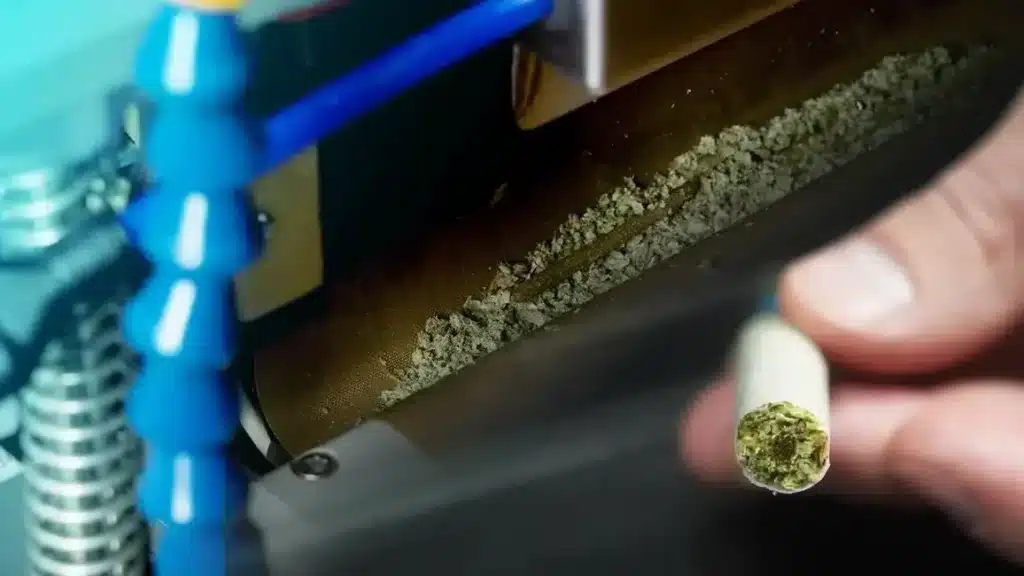
Producing hash holes at commercial volumes requires a different approach. Rather than manually building every center core, automated equipment can create a channel through the flower and use injection infusion to place concentrate inside.
RollPros has developed a firmware-based process for the Blackbird XXL that stages the flower in two steps, allowing the hash center to be added during production without a hardware retrofit. Early testing showed production rates of roughly 100-150 hash holes per hour.
The basic idea is the same as the hand-rolled version. The difference is how consistently that center core can be created when you’re making hundreds of joints instead of a few at a time.
What Do Hash Holes Cost?
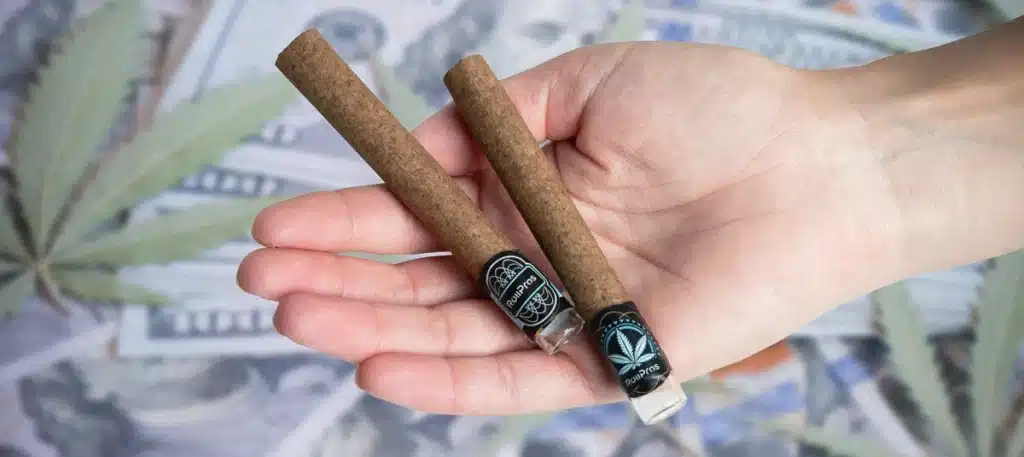
Hash holes are usually priced well above standard pre-rolls because you’re paying for premium flower, concentrated hash or rosin, and, in many cases, significant hand-rolling labor.
At licensed dispensaries, $40-80 per hash hole is a reasonable range, although premium products can cost substantially more. Fidel’s original-style products have historically sold for around $85-100, depending on the format and market.
For comparison, a standard pre-roll might work out to roughly $8-15 per gram, while a premium hash hole can land closer to $15-30 per gram once the concentrate is factored in.
You may also see much cheaper hemp or THCA hash holes online. Those products aren’t necessarily comparable to a licensed dispensary hash hole made with premium cannabis and solventless rosin, so hash hole price alone isn’t a great way to compare them.
In short, a hash hole is more of a premium or occasional experience than an efficient everyday joint. You’re paying for the flavor, potency, longer burn, and novelty of the format.
How to Store a Hash Hole
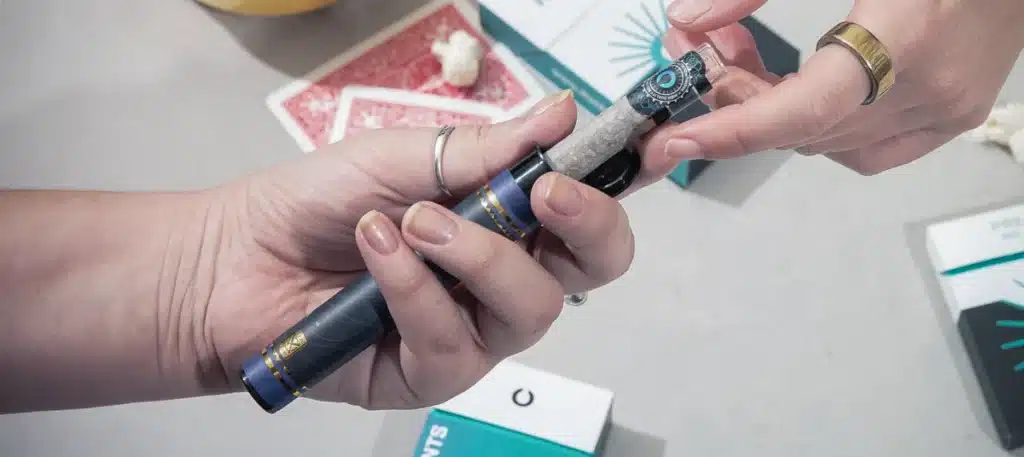
Treat a hash hole like premium flower, but pay extra attention to the concentrate inside.
Keep it in an airtight container, stored upright in a cool, dark place away from heat and humidity. Excessive heat can soften the rosin and cause it to migrate through the flower instead of staying centered.
Solventless rosin is also more sensitive to heat and storage conditions than highly processed concentrates. Cold storage can help preserve quality, although the ideal conditions depend on the specific type of rosin.
If you’re saving a hash hole for later, the basic rule is simple: keep it cool, dry, dark, and upright.
Frequently Asked Questions
The name comes from the hollow center left in the ash as the denser hash or rosin core burns more slowly than the surrounding flower.
A hash hole donut, donut joint, or donut hole is another name for the same center-core format. Variations such as diamond donut and powdered donut typically involve THCA diamonds or diamond coatings.
Usually, yes. A hash hole can contain roughly two to three times the total cannabinoid load of a standard flower pre-roll, although potency varies significantly based on the flower, concentrate, and amount used.
Not exactly. Dabs are concentrated extracts that can reach 60-90% cannabinoids or higher. A hash hole combines concentrate with flower, putting it somewhere between a standard pre-roll and a dab in terms of intensity.
A hash hole at a licensed dispensary commonly costs around $40-80, with premium products sometimes reaching $85-100 or more. The price depends heavily on the flower, hash or rosin, size, and whether it’s hand-rolled.