The World Map of Cannabis: Legalization, Decriminalization, and Prohibition
Last Updated: August 2026
Cannabis laws are changing faster than ever, but they aren’t changing the same way everywhere. If you’ve looked at a cannabis legality world map, searched for where weed is legal, or tried comparing the countries where weed is legal, you’ve probably realized the answer isn’t always straightforward. Some countries have fully legalized recreational cannabis, others only allow medical use, and many still prohibit it entirely.
That legal patchwork affects far more than consumers. It influences healthcare, tourism, international business, investment, law enforcement, and the future of the global cannabis industry. A product that’s perfectly legal to purchase in one country could carry serious criminal penalties just a few hours away.
This guide breaks down cannabis laws by country, explains the difference between legalization, decriminalization, and prohibition, and highlights where cannabis laws are headed next. Whether you’re planning international travel, researching weed friendly countries for potential expansion, or trying to understand why some countries where weed is illegal maintain strict prohibition while others have legalized cannabis, staying informed has never been more important.
Table of Contents
- Cannabis Laws by Country: A-Z Legality Breakdown
- Understanding Cannabis Laws
- What Is Legalization?
- What Is Decriminalization?
- What Is Prohibition?
- Regional Breakdown of Cannabis Laws
- Weed-Friendly Countries for 2026
- Countries Where Weed Is Illegal
- Global Cannabis Trends
- Travel and Business Considerations
- The Future of Cannabis Legalization
- Frequently Asked Questions
Interested in how regulated cannabis products are manufactured? Explore our guides on pre-roll production, infused pre-rolls, and cannabis manufacturing.
Cannabis Laws by Country: A-Z Legality Breakdown
Cannabis legalization by country continues to evolve every year. The table below provides a high-level overview of cannabis laws around the world, including recreational and medical cannabis status. Because laws change frequently, always verify local regulations before traveling or conducting business internationally.
| Country | Region | Recreational | Medical | Notes | Last Reviewed |
| Argentina | South America | Decriminalized | Legal | Medical program; personal possession partially tolerated | Aug. 2026 |
| Australia | Oceania | Limited | Legal | State-by-state laws vary | Aug. 2026 |
| Austria | Europe | Illegal | Limited | Medical access available | Aug. 2026 |
| Belgium | Europe | Decriminalized | Limited | Personal possession tolerated in some cases | Aug. 2026 |
| Belize | North America | Decriminalized | Illegal | Small possession decriminalized | Aug. 2026 |
| Brazil | South America | Illegal | Legal | Medical access expanded | Aug. 2026 |
| Canada | North America | Legal | Legal | Nationwide legalization since 2018 | Aug. 2026 |
| Chile | South America | Illegal | Legal | Medical use permitted | Aug. 2026 |
| Colombia | South America | Decriminalized | Legal | Major medical cannabis exporter | Aug. 2026 |
| Costa Rica | North America | Illegal | Legal | Medical cannabis legalized in 2022 | Aug. 2026 |
| Croatia | Europe | Illegal | Legal | Medical access only | Aug. 2026 |
| Czech Republic | Europe | Decriminalized | Legal | Small possession decriminalized | Aug. 2026 |
| Denmark | Europe | Illegal | Limited | Medical pilot program | Aug. 2026 |
| France | Europe | Illegal | Limited | Medical trial continues | Aug. 2026 |
| Germany | Europe | Legal | Legal | Cannabis Act (CanG) effective 2024 | Aug. 2026 |
| Greece | Europe | Illegal | Legal | Medical market established | Aug. 2026 |
| India | Asia | Illegal | Limited | Varies by region | Aug. 2026 |
| Ireland | Europe | Illegal | Limited | Medical access restricted | Aug. 2026 |
| Israel | Asia | Illegal | Legal | Longstanding medical program | Aug. 2026 |
| Italy | Europe | Illegal | Legal | Medical cannabis permitted | Aug. 2026 |
| Jamaica | North America | Decriminalized | Legal | Religious exemptions recognized | Aug. 2026 |
| Japan | Asia | Illegal | Illegal | Extremely strict enforcement | Aug. 2026 |
| Lesotho | Africa | Illegal | Legal | Medical cultivation exports | Aug. 2026 |
| Luxembourg | Europe | Legal | Legal | Personal cultivation legalized | Aug. 2026 |
| Malaysia | Asia | Illegal | Limited | Strict penalties remain | Aug. 2026 |
| Malta | Europe | Legal | Legal | Adult-use legalized in 2021 | Aug. 2026 |
| Mexico | North America | Decriminalized | Legal | Recreational regulation pending | Aug. 2026 |
| Netherlands | Europe | Decriminalized | Legal | Coffeeshop model continues | Aug. 2026 |
| New Zealand | Oceania | Illegal | Legal | Recreational referendum failed | Aug. 2026 |
| Norway | Europe | Illegal | Limited | Reform discussions ongoing | Aug. 2026 |
| Peru | South America | Illegal | Legal | Medical access allowed | Aug. 2026 |
| Poland | Europe | Illegal | Legal | Medical cannabis legal | Aug. 2026 |
| Portugal | Europe | Decriminalized | Legal | All drugs decriminalized | Aug. 2026 |
| Singapore | Asia | Illegal | Illegal | Some of the world’s strictest laws | Aug. 2026 |
| South Africa | Africa | Decriminalized | Legal | Private use permitted | Aug. 2026 |
| South Korea | Asia | Illegal | Limited | Limited medical program | Aug. 2026 |
| Spain | Europe | Decriminalized | Legal | Cannabis clubs operate in some regions | Aug. 2026 |
| Switzerland | Europe | Illegal | Legal | Adult-use pilot programs | Aug. 2026 |
| Thailand | Asia | Limited | Legal | Prescription required for flower purchases | Aug. 2026 |
| United Kingdom | Europe | Illegal | Legal | Medical program available | Aug. 2026 |
| United States | North America | State dependent | Legal | Federal medical reforms continue; recreational laws vary by state | Aug. 2026 |
| Uruguay | South America | Legal | Legal | First country to legalize recreational cannabis | Aug. 2026 |
| Zimbabwe | Africa | Illegal | Legal | Medical cultivation allowed | Aug. 2026 |
Cannabis laws change frequently. Always check official government guidance before traveling with or consuming cannabis in another country.
Understanding Cannabis Laws
Understanding the difference between legalization, decriminalization, and prohibition is essential when comparing cannabis laws by country. These terms are often used interchangeably, but they describe very different legal systems with different consequences for consumers, travelers, and businesses.
What Is Legalization?
Legalization means cannabis can legally be produced, sold, possessed, and consumed under government regulation. Rather than banning cannabis outright, governments create rules around licensing, product testing, age limits, taxation, packaging, and retail sales.
Legalization doesn’t mean there are no restrictions. Just like alcohol or tobacco, consumers must still follow laws regarding possession limits, where cannabis can be consumed, and who can purchase it. Many legal markets also allow limited home cultivation and regulate products based on THC content.
Countries like Canada, Uruguay, Malta, Luxembourg, and Germany have adopted adult-use cannabis laws, although each country regulates its market differently.
For the cannabis industry, legalization creates opportunities throughout the supply chain. Licensed cultivators, manufacturers, dispensaries, and equipment providers all benefit from regulated markets that prioritize product consistency, consumer safety, and compliance.
What Is Decriminalization?
Decriminalization means cannabis remains illegal, but personal possession generally carries reduced penalties. Instead of criminal charges or jail time, individuals may receive a civil fine, warning, or referral to a public health program.
It’s important to understand that decriminalization is not legalization. In most decriminalized countries, buying, selling, growing, or importing cannabis remains illegal. Commercial cannabis markets typically do not exist, even if small amounts for personal use are tolerated.
Countries including Portugal, Spain, the Netherlands, South Africa, and the Czech Republic have adopted some form of decriminalization or legal tolerance for personal possession, although the specific rules vary considerably.
For travelers, this distinction matters. A country may allow possession of a small amount while still imposing severe penalties for purchasing cannabis, crossing borders with it, or consuming it in public.
What Is Prohibition?
Prohibition is the strictest approach to cannabis regulation. Under prohibition, possession, cultivation, distribution, and sale remain criminal offenses that may result in significant fines, lengthy prison sentences, or even harsher penalties depending on the country.
Several countries continue enforcing zero-tolerance drug policies, particularly at international borders. Even cannabis purchased legally elsewhere should never be carried across international borders.
Countries such as Singapore, Japan, Malaysia, Indonesia, China, and Saudi Arabia maintain some of the world’s toughest cannabis laws. Travelers should carefully research local regulations before departure, as penalties can be severe even for small amounts of cannabis.
While legalization and decriminalization continue expanding globally, prohibition remains the dominant policy in many parts of Asia, the Middle East, and portions of Africa. If you’re new to the cannabis industry, our guide to key pre-roll terms can help explain the terminology you’ll commonly encounter.
Regional Breakdown of Cannabis Laws
Cannabis legalization by country continues to evolve, but progress looks different depending on where you are in the world. Some regions have embraced regulated adult-use markets, while others are expanding medical access or maintaining strict prohibition.
North America
North America is home to some of the world’s most developed cannabis markets. Canada has fully legalized recreational cannabis nationwide, while the United States continues to operate under a patchwork of state laws. If you’re interested in how legalization varies across the U.S., check out our latest state-by-state cannabis laws and market reports. Mexico has decriminalized personal possession and continues working toward broader regulation.
Several Caribbean nations have also adopted more progressive cannabis policies. Jamaica recognizes the cultural and religious use of cannabis while operating a regulated medical program, and Belize has decriminalized small amounts for personal possession.
South America
South America has become an important player in both cannabis reform and international production.
Uruguay remains the global leader as the first country to legalize recreational cannabis nationwide. Colombia has established itself as one of the world’s largest medical cannabis exporters thanks to favorable growing conditions and relatively low production costs. Argentina, Chile, Peru, and Brazil all operate medical cannabis programs while maintaining restrictions on recreational use.
Europe
Europe has seen some of the biggest policy changes in recent years.
Germany’s Cannabis Act (CanG), which took effect in 2024, permits limited adult possession, private cultivation, and non-commercial cultivation associations under specific conditions. Malta and Luxembourg have also legalized personal adult use, while the Netherlands continues operating its unique coffeeshop system.
Many other European countries, including Portugal, Spain, Switzerland, Italy, Poland, and the United Kingdom, have adopted medical cannabis programs or decriminalization policies that continue moving the region toward broader reform.
Africa
Most African countries still prohibit recreational cannabis, but medical cultivation and exports continue to grow.
South Africa allows private possession and home cultivation following a landmark court ruling. Lesotho and Zimbabwe have become important producers of medical cannabis for export, demonstrating how legalization can create new agricultural and economic opportunities.
Asia
Asia remains the most restrictive region for cannabis.
Thailand made headlines by decriminalizing cannabis in 2022, but regulations tightened significantly in 2025. Today, purchasing cannabis flower generally requires a medical prescription, making Thailand an important reminder that legalization is not always a one-way path.
In India, cannabis is culturally accepted in some regions, but national law criminalizes its use.
Countries including Japan, Singapore, China, Malaysia, Indonesia, and South Korea continue enforcing some of the strictest cannabis laws in the world.
Oceania
Australia continues expanding medical cannabis through state-level programs, while recreational laws differ depending on the jurisdiction. The Australian Capital Territory allows limited personal possession and home cultivation, although federal law still creates legal complexities.
New Zealand rejected recreational legalization in a 2020 referendum but continues operating a regulated medical cannabis program.
Weed-Friendly Countries for 2026

While cannabis laws continue changing worldwide, travelers often ask which destinations are the best weed-friendly countries to visit. A handful of countries stand out for offering the most accessible and well-regulated environments for adult consumers.
Canada
Canada remains one of the easiest places to legally purchase recreational cannabis. Licensed retailers operate across most provinces, products are lab tested, and regulations provide consumers with a safe, consistent experience.
Uruguay
Uruguay became the first country to legalize cannabis nationwide in 2013, creating a government-regulated system that includes pharmacy sales, home cultivation, and cannabis clubs. However, pharmacy purchases require registration and qualifying Uruguayan citizenship or residency, so legal access is generally unavailable to international visitors.
Germany
Germany’s Cannabis Act introduced one of Europe’s most significant cannabis reforms by legalizing limited possession, home cultivation, and access through non-commercial cultivation associations. However, Germany does not have a conventional recreational retail market, and association membership generally requires at least six months of residence in the country. This makes legal access limited for travelers and prevents Germany from functioning as a cannabis tourism destination.
Malta
Although its market is relatively small, Malta became the first European Union country to legalize personal adult cannabis use, setting an important precedent within the EU.
Netherlands
The Netherlands remains well known for its coffeeshop system, but recreational cannabis is not technically legal. Instead, limited possession and sales through qualifying coffeeshops are tolerated under national enforcement policy. Access for tourists varies by municipality because local governments decide whether to enforce residency requirements.
Spain
Spain’s private cannabis clubs provide another unique model. While commercial sales remain illegal, club members can legally consume cannabis in private settings in many parts of the country.
South Africa
South Africa permits adults to possess, cultivate, and consume cannabis in private. However, buying and selling cannabis for recreational use remains illegal, so the country shouldn’t be treated as a conventional cannabis tourism or retail destination.
Thailand (With Caution)
Thailand remains one of Asia’s more progressive cannabis markets, but travelers should understand that regulations changed significantly in 2025. Cannabis flower now generally requires a prescription, making it essential to research current laws before visiting.
Countries Where Weed Is Illegal
Although legalization continues expanding, many countries still maintain strict prohibition. Travelers should be especially cautious when visiting:
- Singapore
- Japan
- China
- Saudi Arabia
- United Arab Emirates
- Indonesia
- Malaysia
- South Korea
- Philippines
These countries often impose severe penalties for possession, trafficking, or importing cannabis. Some maintain mandatory prison sentences, while trafficking offenses can carry life imprisonment or even the death penalty.
No matter where cannabis was legally purchased, never attempt to bring it across an international border.
Global Trends Shaping Cannabis Legalization
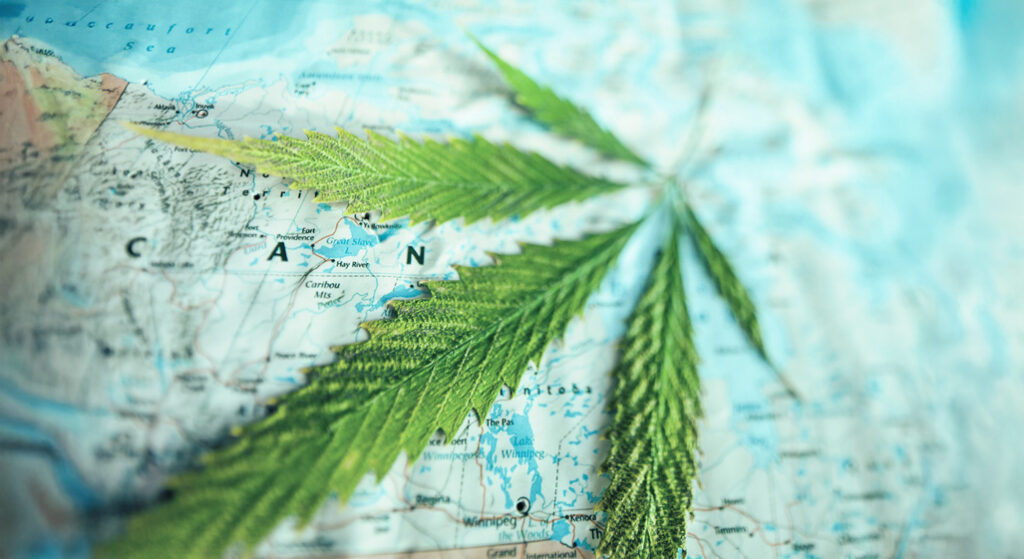
According to the UNODC World Drug Report 2026, cannabis remains a major focus of changing drug-policy frameworks globally, with legalization and regulation of non-medical cannabis continuing to develop across a growing number or jurisdictions.
Several factors continue driving legalization:
- Growing scientific research supporting medical cannabis
- Increased public acceptance
- Tax revenue and job creation
- Reduced criminal justice costs
- Expungement and social equity initiatives
- Greater demand for regulated, tested cannabis products
As legal markets mature, businesses are also investing in better branding, compliance, and the packaging of pre-rolls. At the same time, international agreements like the Single Convention on Narcotic Drugs continue influencing how countries develop cannabis policy, making global reform a gradual process rather than an overnight transition.
What This Means for Travelers and Cannabis Businesses
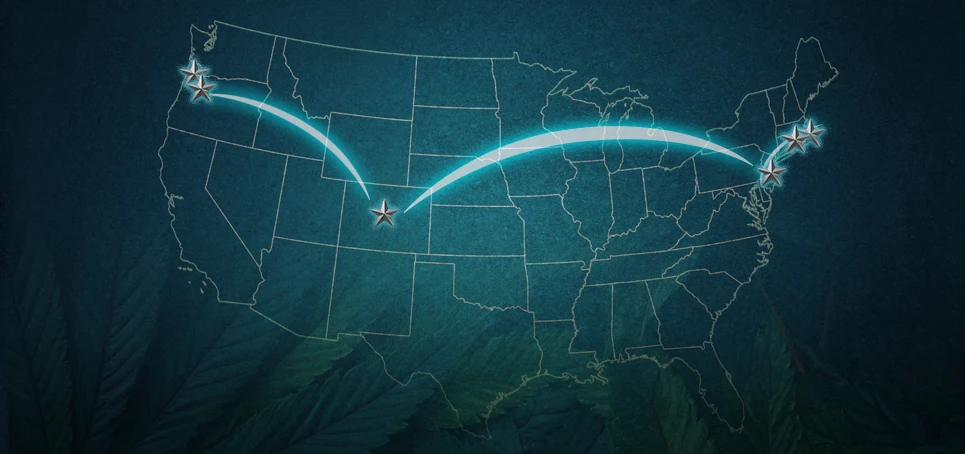
For travelers, the most important rule is simple: never cross an international border with cannabis.
Even if cannabis is legal in both your departure and destination countries, customs laws and international drug treaties can still make transporting cannabis illegal.
Before traveling:
- Research local cannabis laws.
- Understand possession limits.
- Don’t assume your medical cannabis authorization is valid overseas.
- Remember that CBD products may also be restricted depending on THC content.
For cannabis businesses, legalization continues opening new opportunities around the world. As more regulated markets emerge, demand continues growing for consistent cultivation, manufacturing, packaging, and pre-roll production.
For companies like RollPros, expanding legalization means more licensed producers looking to scale efficiently while meeting strict quality standards. From automated pre-roll production to infused pre-roll manufacturing and white-label preroll partnerships, legal markets increasingly prioritize consistency, compliance, and consumer experience.
The Future of Cannabis Legalization
Global cannabis policy continues moving toward regulation rather than prohibition, although progress remains uneven.
The United States continues debating broader federal reform. In April 2026, the U.S. Department of Justice placed FDA-approved marijuana products and qualifying state-licensed medical cannabis to Schedule III, while broader federal marijuana rescheduling remained subject to a separate administrative process. Continued DEA rulemaking could shape the next phase of U.S. cannabis policy.
Europe is expected to remain a major driver of international reform following Germany’s legalization, while countries throughout Latin America continue expanding medical cannabis production and exports.
As more countries legalize cannabis, producers will also need to focus on scaling pre-roll manufacturing for new markets while maintaining product quality and regulatory compliance.
Frequently Asked Questions
If you’re wondering where is weed recreationally legal in the world, the list remains relatively small. Recreational cannabis is legal nationwide in countries including Canada, Uruguay, Malta, Luxembourg, and Germany. Other countries allow recreational cannabis under limited or regional systems, while many continue permitting only medical use or decriminalizing possession.
Singapore, Japan, China, Saudi Arabia, Indonesia, Malaysia, and the United Arab Emirates maintain some of the world’s strictest cannabis laws, with severe penalties for possession and trafficking.
Legalization creates a regulated market where cannabis can legally be produced, sold, and consumed under government oversight. Decriminalization reduces or removes criminal penalties for personal possession but does not legalize commercial sales.
It depends on the state. Many states have legalized recreational cannabis, while others only allow medical use or continue prohibiting it. Federally, recreational cannabis remains a Schedule I controlled substance, although FDA-approved and state-licensed medical cannabis moved to Schedule III in 2026 as federal rulemaking continues.
Canada, Uruguay, Germany, Malta, the Netherlands, Spain, South Africa, and, with important restrictions, Thailand are among the most weed-friendly countries for adult cannabis consumers.
No. Even if cannabis is legal in both countries, you should never transport cannabis across an international border unless explicitly authorized under applicable laws. Doing so can result in serious legal consequences.
If you’re wondering where weed is decriminalized, countries including Portugal, the Netherlands, Spain, South Africa, the Czech Republic, Belize, and parts of Latin America have adopted various forms of decriminalization or legal tolerance for personal cannabis possession, although the rules differ significantly by country.