
The Convenience of Blunt Rollers: Perfect Rolls with Minimal Effort
Introduction
Rolling a clean, evenly packed blunt by hand can be more complex than it looks. Getting the right balance of material, maintaining consistent density, and avoiding weak spots or tears all require practice, patience, and a steady hand. Even small inconsistencies can impact airflow, burn rate, and overall quality, which is why achieving reliable results can be difficult without the right technique.
That’s where a blunt roller becomes incredibly useful. By introducing structure and repeatability into the process, a blunt roller removes much of the uncertainty involved in hand-rolling. Instead of relying entirely on skill, users can follow a guided process that produces more consistent outcomes.
This makes a blunt roller valuable for both casual and more advanced users. Whether you’re preparing a single pre roll blunt or producing multiple units, having a system in place ensures a more predictable result every time. It’s also why tools like a blunt roller machine have become increasingly popular as demand for efficiency continues to grow.
At a high level, blunt rollers fall into a few main categories:
- Manual blunt roller tools for simple, everyday use
- Semi-automated solutions for improved control
- Fully automated systems like an automatic blunt roller for high-volume production
This flexibility allows users to choose a blunt roller that matches their needs, whether they’re rolling at home or scaling production.
What is a Blunt Roller?
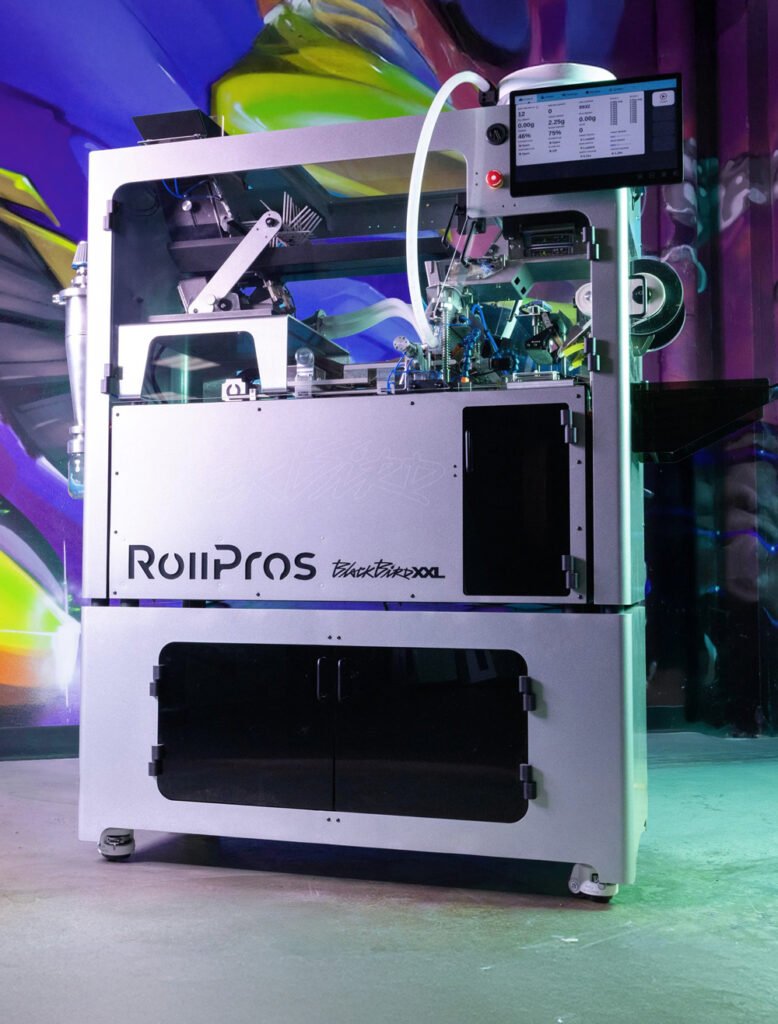
A blunt roller is a tool designed to help shape and pack material into a uniform roll with consistent density and structure. Instead of relying on manual dexterity, it uses a controlled mechanism to guide the rolling process.
The goal of a blunt roller is to standardize how material is distributed and compressed. This creates a more even structure, which directly impacts the quality of the final product. For example, when creating a blunt pre roll, consistency plays a major role in how the product burns and performs.
A properly designed blunt roller machine helps ensure:
- Even material distribution across the length of the roll
- Consistent density from end to end
- Proper airflow for a smooth draw
- A stable structure that holds its shape
Blunt rollers are generally categorized into three main types:

Manual blunt roller
The most widely used option, a manual blunt roller consists of two rollers connected by a flexible apron. Users load material, place a wrap, and rotate the device to form the roll. This type of blunt roller is ideal for everyday use and gives the user a high level of control.

Semi-automatic systems
These offer a middle ground, combining manual input with small mechanical enhancements. They reduce effort while still allowing users to guide the process.
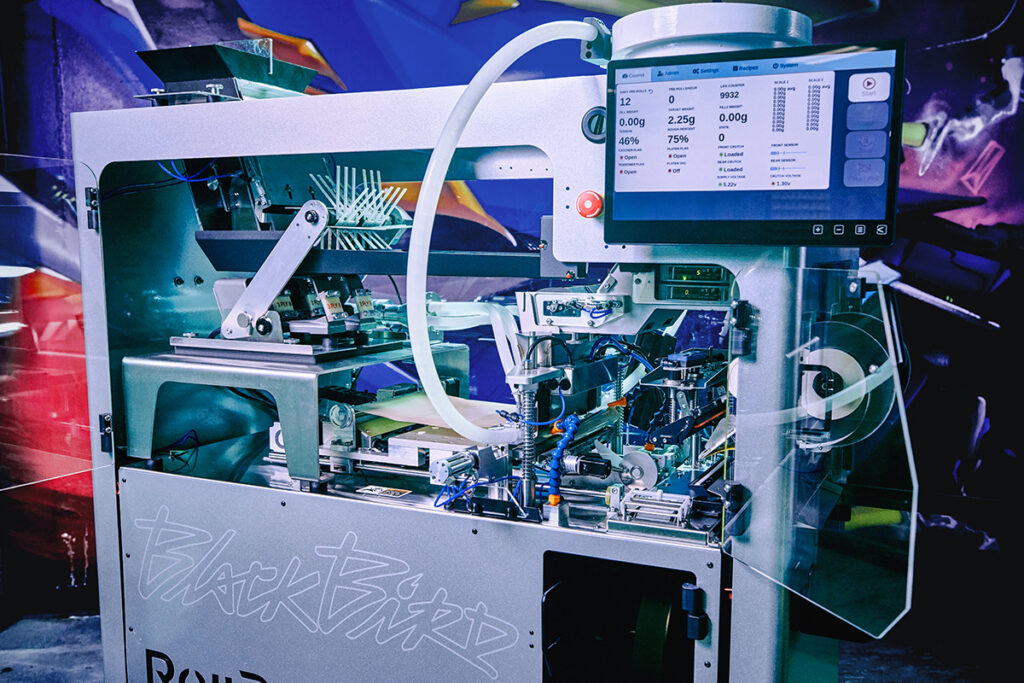
Fully automated systems
An automatic blunt roller is designed to handle most of the process with minimal user input. These machines are typically used for larger-scale production where consistency and efficiency are critical. A blunt roller machine in this category can produce multiple rolls with uniform quality across every batch.
Compared to hand-rolling, a blunt roller removes much of the inconsistency caused by variations in pressure, technique, or fatigue. This makes it easier to produce a consistent blunt pre roll with repeatable results.
Key Benefits of Using a Blunt Roller

Improved Consistency
A blunt roller helps ensure each roll is uniform in shape and density. This consistency leads to a more even burn, smoother airflow, and a better overall experience. When producing multiple blunt pre roll units, maintaining that level of uniformity becomes especially important.
A blunt roller machine further enhances this by standardizing the process at scale, making it easier to replicate results across batches.

Efficiency and Workflow Improvements
Using a blunt roller significantly improves workflow efficiency. Instead of spending time correcting inconsistencies, the process becomes streamlined and repeatable.
This is particularly useful when producing a pre roll blunt in larger quantities. An automatic blunt roller can further reduce manual effort while increasing output, making it ideal for high-volume environments.
Simplified Learning Curve
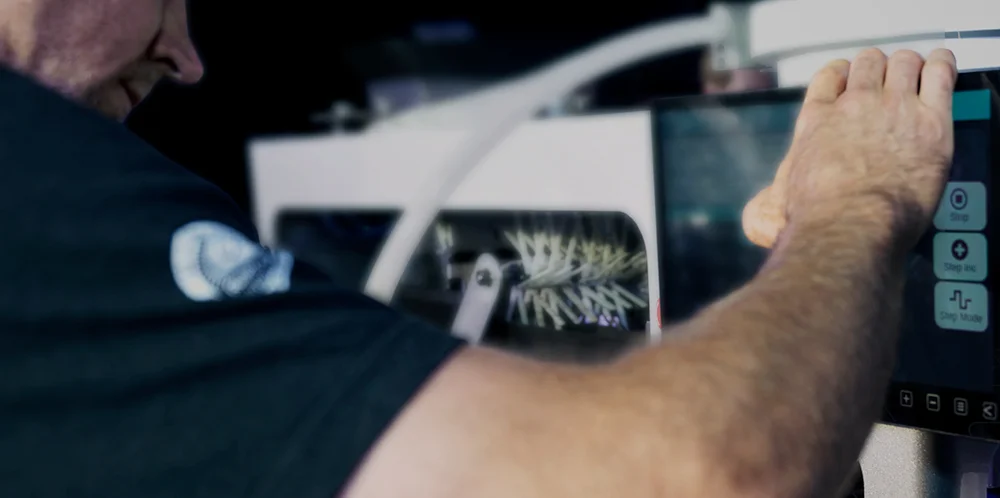
Learning how to use a blunt roller is straightforward compared to mastering hand-rolling. The process is broken down into clear, repeatable steps, making it accessible for beginners while still useful for experienced users.
Because the technique is consistent, users can quickly develop a rhythm and produce reliable results without extensive practice.

Reduced Material Loss
A blunt roller helps minimize waste by keeping material contained and evenly distributed throughout the process. This improves efficiency and ensures more of your material is used effectively.
When producing a blunt pre roll, this can lead to better yield and more consistent output over time, especially when using a blunt roller machine for repeated production.
How Blunt Rollers Work
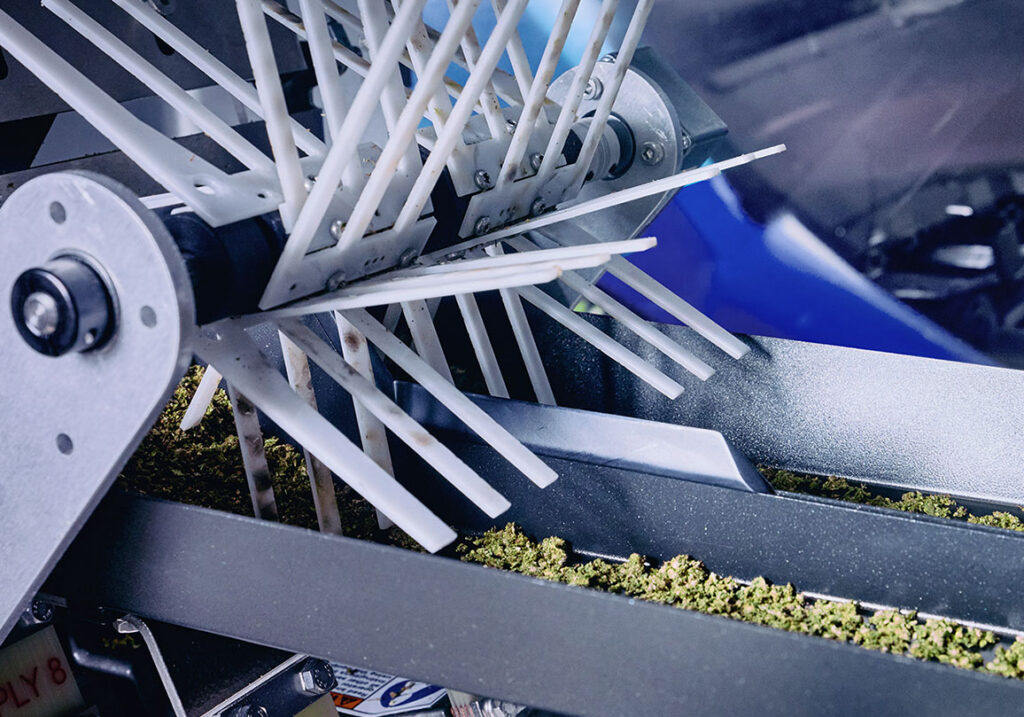
Understanding how to use a blunt roller starts with breaking the process into a few simple steps.
Begin with properly ground material. A consistent grind helps ensure even distribution inside the blunt roller and contributes to a more balanced final product.
Next, evenly distribute the material across the roller. Avoid clumps or gaps, as these can affect airflow and burn quality. Proper preparation at this stage is essential when making a pre roll blunt.
Close the blunt roller and begin rotating it. This motion compresses and shapes the material into a uniform cylinder. Once the structure begins to form, insert the wrap and continue rolling so it feeds through smoothly.
As the wrap seals, lightly moisten the adhesive edge and continue rotating until complete. Once finished, open the blunt roller and remove your blunt pre roll.
For best results:
- Use a consistent grind
- Avoid overfilling the roller
- Maintain even pressure throughout the process
These small adjustments can significantly improve the final outcome, whether using a manual tool or a blunt roller machine.
Manual vs. Automated Blunt Rollers
Manual blunt roller
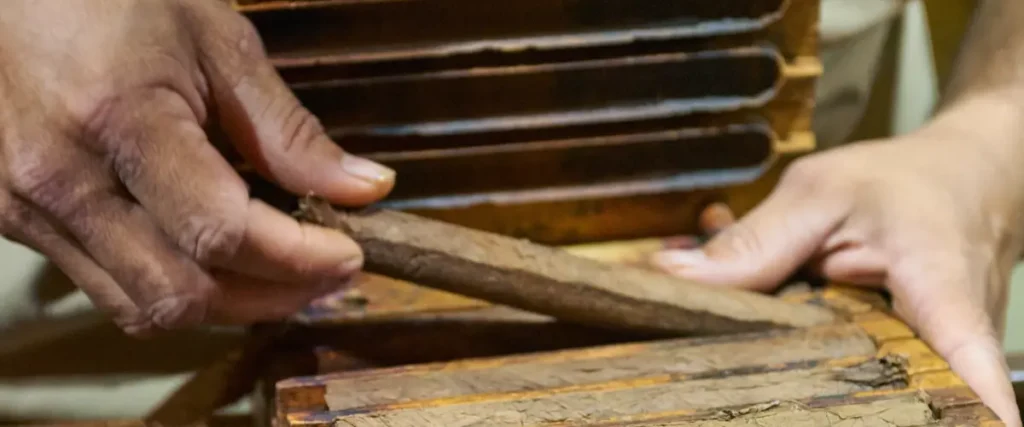
A manual blunt roller is a simple and effective tool for everyday use. It’s compact, affordable, and easy to operate, making it a popular choice for personal use.
Because it relies on user control, a manual blunt roller allows you to adjust pressure and pacing to fine-tune your results. While there is a slight learning curve, it remains one of the most accessible ways to create a consistent pre roll blunt.
Brands like RAW and Zig-Zag are well-known for producing reliable manual rollers that are widely used across the industry.
Automatic blunt roller
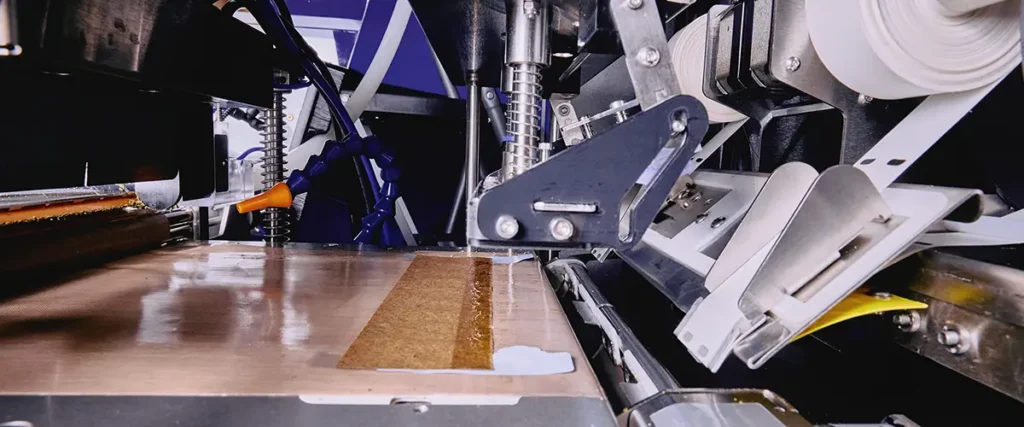
An automatic blunt roller is designed for speed and scalability. These machines reduce manual input and increase output, making them ideal for commercial or high-volume operations.
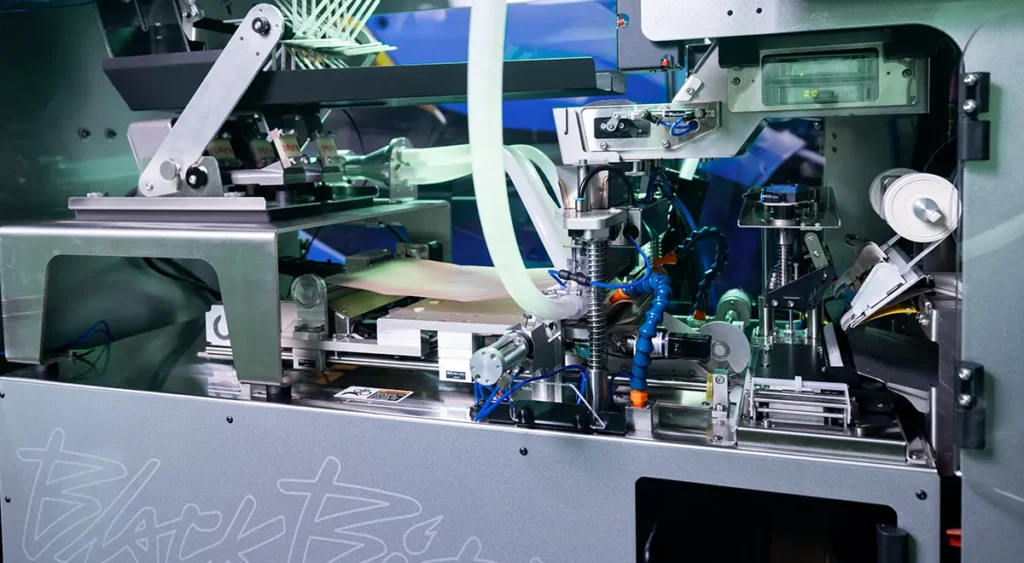
A blunt roller machine like the RollPros XXL represents a more advanced solution, offering precision and repeatability across every blunt pre roll.
Key features of an automatic blunt roller often include:
- Automated or assisted packing
- Controlled material distribution
- Uniform shaping and compression
- Increased production efficiency
While the upfront cost is higher, an automatic blunt roller can significantly improve workflow and consistency at scale.
Choosing the Right Blunt Roller
Selecting the right blunt roller comes down to how you plan to use it, how often you’ll rely on it, and whether you value simplicity, control, or higher levels of automation.
Size and output capacity
Smaller, compact options are well suited for personal use and occasional sessions. Larger systems or a more advanced blunt roller machine are designed for higher output and batch production. If you regularly prepare a blunt pre roll, choosing a model with greater capacity can save time and improve efficiency over time.
Build quality and durability
The materials and construction of a blunt roller play a big role in how it performs long term. A well-built unit will operate smoothly and maintain consistent results, while lower-quality options may wear down more quickly or lose precision with repeated use. Investing in durability often leads to a better overall experience.
Portability and convenience
If you need something easy to carry or store, a compact blunt roller is the most practical choice. For at-home setups or more consistent production, larger or automated systems offer added stability and features that support a more streamlined process.
Maintenance and cleaning
Keeping a blunt roller clean is key to maintaining performance. Residue can build up over time and affect how smoothly the device operates, which can impact the quality of your results. Choosing a model that is easy to take apart or clean will help extend its lifespan and keep performance consistent.
Brand options and advanced systems
For manual use, well-known brands like RAW and Zig-Zag are trusted for their reliability and ease of use. For more advanced needs, a blunt roller machine such as the RollPros XXL provides a more scalable solution with improved precision and output.
When choosing, consider:
- Personal use → manual blunt roller
- Frequent use → durable mid-range blunt roller
- High-volume production → automatic blunt roller or blunt roller machine
The best blunt roller is the one that fits your workflow while delivering consistent, reliable results.
The Role of Blunt Rollers in the Pre Roll Industry
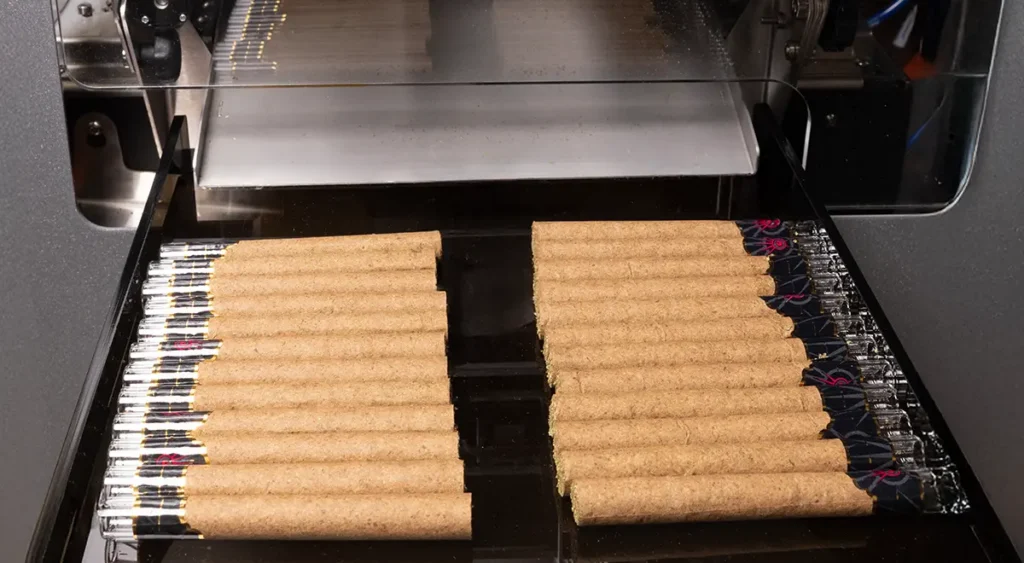
The rise of the blunt roller has gone hand in hand with the growing demand for pre roll products across both consumer and commercial markets. As expectations for consistency, presentation, and efficiency continue to increase, producers have shifted toward tools that can deliver repeatable results without sacrificing quality.
In large-scale environments, a blunt roller machine plays a critical role in standardizing production. By controlling how material is packed, shaped, and finished, these systems help ensure that each unit meets the same level of quality. This level of uniformity is especially important when producing a blunt pre roll, where factors like density, airflow, and structure directly impact the end experience.
Beyond consistency, these systems also help improve overall workflow. Instead of relying on manual labor alone, producers can streamline operations, reduce variability between batches, and maintain tighter quality control from start to finish. An automatic blunt roller allows for a more efficient production process, helping teams keep up with demand while maintaining a high standard across every batch.
As technology continues to advance, the capabilities of an automatic blunt roller are expected to grow as well. Improvements in precision engineering, automation, and material handling will likely lead to even more refined systems, further enhancing output and reliability in the pre roll space.
Conclusion
A blunt roller has become an essential tool for improving both the efficiency and consistency of the rolling process. By introducing a more controlled and repeatable method, it helps reduce the variability that often comes with hand-rolling, making it easier to achieve reliable results.
Whether you’re using a manual setup or a more advanced blunt roller machine, the benefits are clear—greater control, improved structure, and a more efficient workflow. This makes it easier to create a high-quality pre roll blunt with less effort and fewer inconsistencies along the way.
As demand for pre roll products continues to grow, tools like the automatic blunt roller will remain an important part of both personal use and commercial production. Their ability to combine efficiency with consistency ensures they’ll continue to play a key role in shaping the future of pre roll manufacturing.