The Anatomy of a Great Pre-Roll Brand: What Separates the Best From the Rest
There was a time when a pre-roll was basically the cannabis equivalent of a participation trophy. Throw some flower in a cone, slap a label on the tube, and call it a day. That might have worked when pre-rolls were more of an afterthought, but the category has changed a lot since then.
Pre-rolls have become one of the most important (and fastest growing) categories in cannabis. According to BDSA data cited by Cannabis Industry Journal, pre-rolls generated $4 billion in sales in 2025 and are projected to continue growing faster than other major cannabis categories. The category has also grown significantly since 2020, with infused products now making up a substantial portion of the market.
For cannabis brands, that growth creates a huge opportunity. It also creates a lot more competition. Consumers have more pre-rolls to choose from, retailers have more products fighting for shelf space, and brands have to do more than simply put a recognizable logo on a tube.
So, what makes a great pre-roll brand?
It’s not just the logo, it’s not just the packaging, and it’s definitely not just having the highest THC number on the menu. A great pre-roll brand brings all of those pieces together and, most importantly, delivers a product that actually lives up to what the brand promises.
Start With the Product
This one sounds obvious, but it’s easy to lose sight of when you’re focused on branding, packaging, marketing and everything else that goes into launching a cannabis product.
You can have the coolest logo in the dispensary, a killer package design, and a marketing team that knows exactly how to make a product look good online. But none of that matters much if the actual joint isn’t good. The best pre-roll brands start with quality cannabis and build the rest of the experience around it.
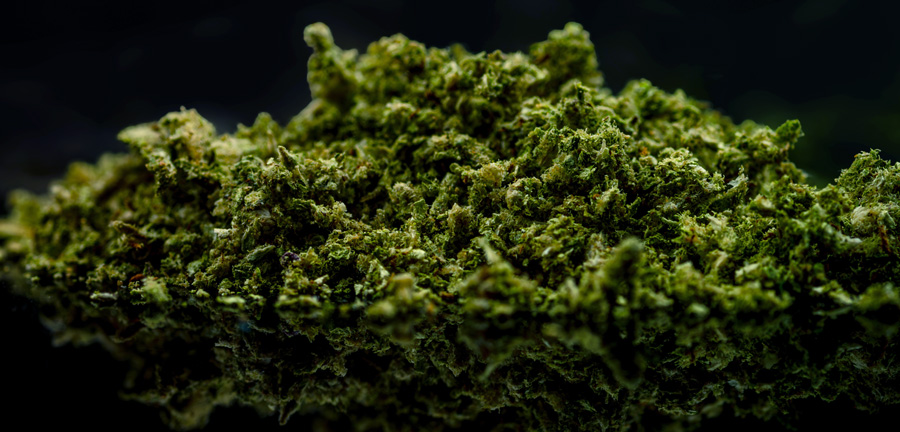
That means paying attention to the flower, grind, moisture, fill weight, paper, filter and, of course, how the finished pre-roll actually smokes. A great pre-roll should light easily, burn evenly, pull properly and deliver the experience the consumer expected when they picked it up.
The manufacturing process matters here more than it might seem. Moisture, grind size, and packing density can all affect how a pre-roll performs, and even small variations can become noticeable once the product reaches the consumer. MG Magazine’s 2026 look at the pre-roll market specifically called out moisture, grind size and packing density as factors that can make or break performance as brands scale.
Your branding might convince someone to try the joint, but the joint is what has to convince them to buy it again.
Consistency Is Part of Your Brand
When most people think about branding, they think about the things they can see. Logos, colors, packaging, social media, merch and all the other fun stuff that makes a company recognizable. But consistency is branding, too.
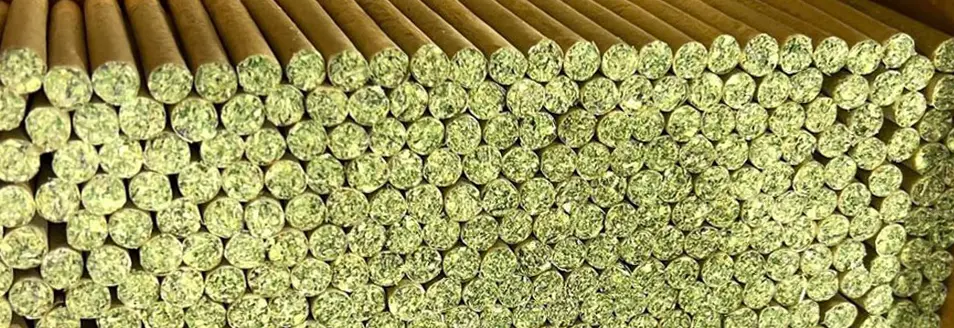
If a customer buys your 1g pre-roll today and gets a great burn, good airflow and an enjoyable experience, they’re going to expect something similar the next time. If that next joint is packed differently, burns unevenly or feels completely different, they’re going to notice. And if it keeps happening, they’re probably going to start looking elsewhere.
That’s one of the biggest challenges facing pre-roll brands. Cannabis is an agricultural product, so there’s already natural variability in the material going into every joint. Then you add the manufacturing process on top of that. If the production process isn’t controlled, those differences can become even more noticeable.
We have seen this firsthand here at RollPros with our own research and market analysis. The basic idea is pretty simple: quality gets a customer to try a product, but consistency gives them a reason to trust it. A predictable experience is especially important in a category where consumers have plenty of other options.
This is why consistency shouldn’t just be treated as a manufacturing goal. It’s part of the brand promise. If your packaging says premium, the product should feel premium. If your brand is built around quality, that quality needs to show up in every joint, not just the ones that happen to come out of a really good production run.
At the end of the day, customers don’t really care how complicated your production process is. They care whether the pre-roll they bought today is as good as the one they bought last week.
The Way You Make the Pre-Roll Matters
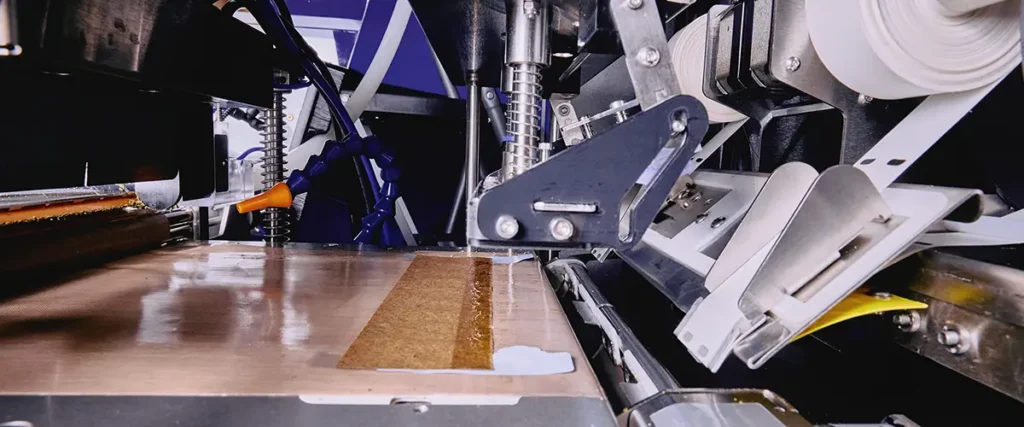
A lot of attention goes into the flower that goes into a pre-roll, and rightfully so. But what happens between the grinder and the package can have just as much impact on the final product.
Grind size, moisture and pack density all play a role in how a pre-roll burns and pulls. Small differences during production can turn into very noticeable differences for the person smoking it. That’s one reason pre-roll production becomes increasingly difficult as a brand grows. What works for a few hundred joints can become a very different challenge when you’re producing thousands every day.
This is also where automation gets interesting. Adding more people to a manual process doesn’t necessarily mean adding more consistency. As production volume increases, the number of opportunities for small variations increases, too. MG Magazine’s 2026 analysis points to this exact problem, noting that variability becomes increasingly difficult to manage as pre-roll production scales.
A 2024 analysis also published by MG highlighted the importance of particulate density in machine-made pre-rolls. If the material is packed too tightly, airflow can suffer. If it’s too loose, the joint can develop air pockets or uneven compaction. The goal is to distribute the material evenly enough to create a consistent burn and draw.
There’s also a difference between stuffing a cone and actually rolling a joint. The two processes aren’t interchangeable, and the way flower is distributed and packed can affect the finished product. That’s why RollPros built the Blackbird around rolling pre-rolls rather than simply stuffing cones, with the goal of creating the type of even distribution and burn consumers expect from a properly rolled joint.
For a brand trying to compete on quality, how the product is made is just as important as what’s going into it.
Packaging Should Do More Than Look Good

Your packaging is usually the first physical interaction a customer has with your product, so yes, it should look good. But packaging has a much bigger job than winning the beauty contest on the dispensary shelf.
It needs to protect the pre-roll, help preserve freshness, meet regulatory requirements and make it easy for the customer to understand what they’re buying. It also needs to fit the brand. A premium product shouldn’t feel like it was packaged as an afterthought, while a budget-friendly everyday product probably doesn’t need a package that costs more than the joint inside it.
Cannabis Industry Journal’s 2026 report on pre-roll packaging points out that packaging is doing several jobs at once. It’s a compliance tool, a brand signal, and a factor in overall product economics. The article also notes that packaging requirements have become more complicated in some states, making it something operators need to actively manage rather than treat as a one-time decision.
The best packaging feels like an extension of the brand rather than something designed separately and slapped onto the product at the end. It should protect what’s inside while reinforcing the experience you’re trying to create.
And packaging doesn’t stop at the tube. The physical details of the pre-roll itself can also become part of a brand’s identity. Filters, wraps, sizes and formats can all help make a product more recognizable, especially as more brands compete in the same category.
Don’t Confuse Premium With Expensive
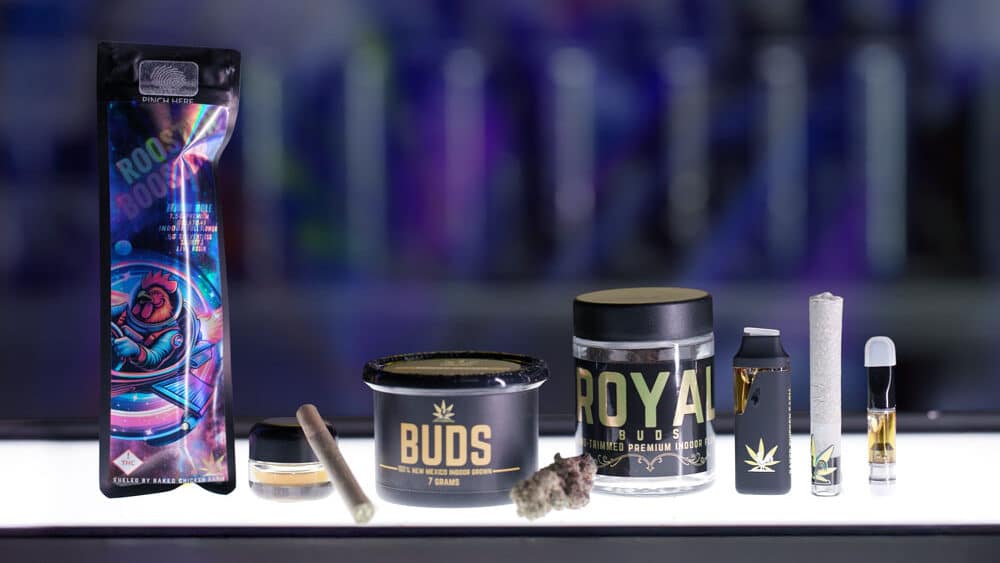
There’s a tendency in cannabis to equate “premium” with “more expensive.” That’s not necessarily what consumers mean when they say they want a premium product.
Premium can mean better flower, a cleaner burn, better airflow, or a thoughtfully designed filter. It can mean packaging that actually protects the product instead of just making it look pretty. And honestly, it can simply mean a pre-roll that doesn’t require three attempts to get an even light.
Consistency is part of that value, too. If a customer pays more for your product and gets a noticeably better experience, you’ve given them a reason to come back. If they pay more and get the same inconsistent pre-roll they could have bought for half the price, you’ve given them a reason to try somebody else.
The best brands understand that premium isn’t just about charging more, but about giving the customer a reason to believe the product is worth more.
That’s particularly important in a market where margins are already under pressure. Pre-rolls remain a strong category, but operators are dealing with labor costs, packaging expenses, compliance requirements and other pressures that make efficient production increasingly important. If you’re going to charge more, the customer should be able to tell why.
Build a Brand People Can Recognize

A strong pre-roll brand should be recognizable before someone even reads the name. That doesn’t mean every package needs to be loud, covered in graphics or designed to scream across the dispensary. Sometimes the strongest brands are the ones with a clear visual identity that stays consistent across everything they do.
Your packaging, website, social media, dispensary displays and actual product should all feel like they belong to the same company. The small details matter here, too. The paper you use, the filter, the shape of the joint, the size options, the product names and even the way you talk to customers all contribute to the experience.
That’s especially important in a category where the basic product can look pretty similar from brand to brand. At the end of the day, you’re still selling a pre-roll, but your job is to give consumers a reason to remember yours.
That doesn’t necessarily mean reinventing the joint with every new SKU. In fact, the strongest brands often do the opposite. They establish a recognizable experience and then find ways to make that experience better over time.
Give Customers a Reason to Come Back
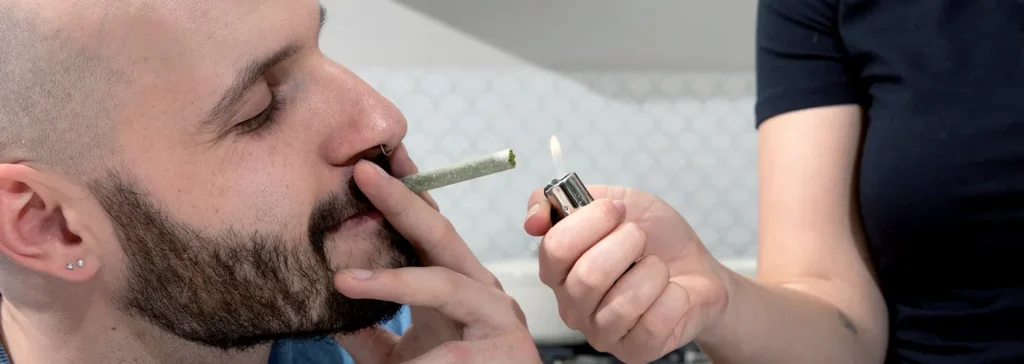
Getting someone to try a pre-roll is one thing. Getting them to buy the same one again is where the real value is.
That comes down to trust. Customers want to know what they’re getting before they spend their money. They want the product to match the description, the joint to perform the way they expect, and the next purchase to feel familiar instead of completely different.
This is where all of the previous pieces start working together. Good flower doesn’t mean much if the production process creates an inconsistent product. Great packaging doesn’t mean much if the joint inside doesn’t perform. A strong marketing campaign might get someone to try the product, but it can’t force them to become a repeat customer.
Consistency is what ties everything together. There is a huge emphasis in the connection between a consistent pre-roll experience and customer loyalty. The idea truly isn’t complicated. When consumers know what they’re going to get, they have more reason to trust the brand the next time they’re standing in front of a dispensary shelf.
A flashy launch might get attention. A great package might get someone to pick up the product. A clever name might make it memorable. But a consistently good pre-roll is what gives a customer a reason to come back.
Build for the Brand You Want to Become
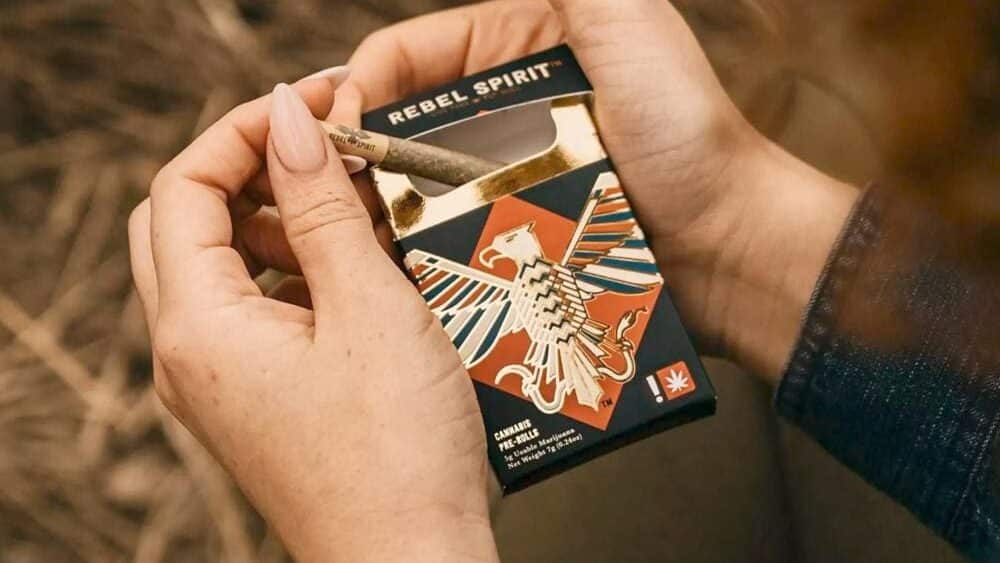
One of the biggest mistakes a growing pre-roll brand can make is building its production process around where the business is today instead of where it wants to go.
Maybe you’re producing a few hundred joints a day right now. That’s great and all, but what happens when demand doubles? What happens when a retailer wants a much larger order, you add new SKUs or you expand into another market?
If your entire production process depends on continually adding more people to keep up with demand, scaling can get expensive and complicated pretty quickly. That’s why successful brands need to think about scalability early instead of waiting until production becomes a bottleneck.
The goal isn’t automation for automation’s sake. It’s building a production system that allows your brand to grow without letting the quality that got you there fall apart along the way.
That’s especially important as expectations around manufacturing continue to rise. There’s a broader shift toward documented quality controls, repeatable systems and more disciplined manufacturing processes. As pre-rolls become a larger part of the cannabis business, production can’t just be about getting more units out the door. It has to be about getting more good units out the door.
Growth is fantastic, and growth while keeping the same quality you were known for in the beginning is even better.
The Best Pre-Roll Brands Get the Whole Picture Right
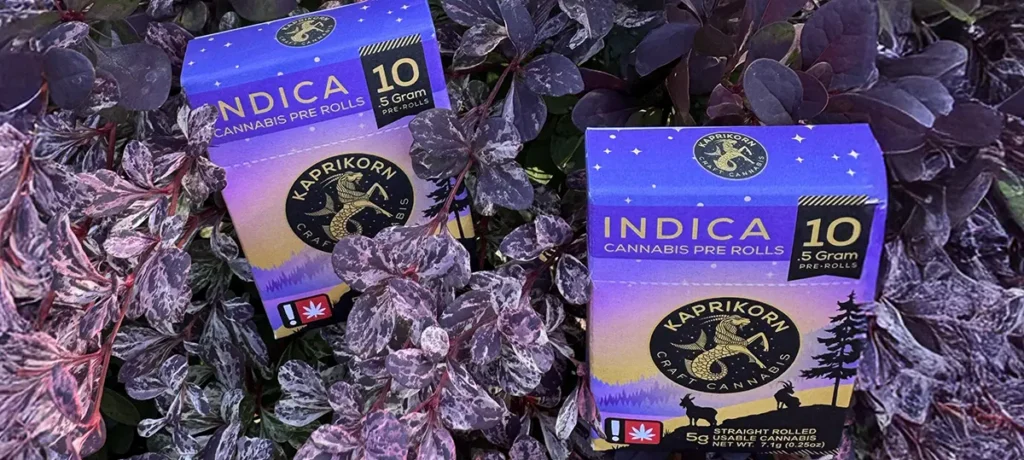
There’s no single ingredient that magically creates a great pre-roll brand. It’s the combination of everything. Good flower gets you started. A solid production process turns that flower into a reliable product. Consistency builds trust. Packaging protects the product and catches attention. Branding gives customers something to remember. And a good overall experience gives them a reason to come back.
That’s the anatomy of a great pre-roll brand.
The category isn’t slowing down, and the competition isn’t either. Pre-rolls generated billions in sales in 2025 and continue to be one of the most important growth areas in cannabis. At the same time, brands are facing more pressure to control production costs, maintain quality and give consumers a reason to choose their product over the dozens of other options sitting nearby.
The brands that stand out won’t necessarily be the ones with the biggest marketing budgets or the flashiest packaging. They’ll be the ones that get the entire experience right, from the flower and production process to the package on the shelf and the joint in the customer’s hand.
Because at the end of the day, your brand isn’t just what you say it is…it’s what customers experience every time they light one up.