The 5 Biggest Pre-Roll Production Bottlenecks (And Why They’re Probably Not Your Machine)
Let’s get something out of the way:
If your pre-roll production is slow, your machine might not be the problem.
We know. That’s a bold statement coming from a company that builds commercial pre-roll machines.
But after helping hundreds of operators produce almost 200 million joints, we’ve learned something important:
Many of the biggest bottlenecks in pre-roll production usually happen before the machine ever starts running.
Buying a faster machine can absolutely increase output. But if you’re feeding that machine inconsistent material, stopping constantly for reloads, or running a chaotic workflow, you’re basically putting racing tires on a shopping cart.
Here are five things that slow down pre-roll output just as much or more than machine speed ever will.
1. Inconsistent Grind Quality

This is the king of all production killers.
If your material looks like it was prepared by three different people on three different planets, your machine is going to have a bad day.
Material that’s too fine can create uneven density, airflow issues, voids, and over-packed joints.
Material that’s too coarse can cause inconsistent fills, and poor weight control.
Material that’s inconsistent? Congratulations. Now you get both problems.
The best commercial pre-roll operations treat grinding as a production process with it’s own specs and quality control, not an afterthought. Consistent particle size leads to predictable fills, fewer rejects, less rework, and higher throughput. You need to make less frequent adjustments to counteract the changing grind characteristics of the input material.
Translation: Your machine can only be as consistent as the material you feed it.
2. Your Machine’s Paper Loading Process
Here’s a question that doesn’t get asked enough:
How much time are your operators spending loading cones into the machine?
Most manufacturers focus on machine speed. Smart operators focus on machine uptime.
Many cone-based systems require operators to continuously load trays of empty cones before production can begin. Every time those trays run out, production pauses while more cones are loaded.
It doesn’t sound like much. But when you’re producing thousands of pre-rolls per shift, those little interruptions add up fast.
It’s the manufacturing equivalent of stopping every mile on a road trip to put gas in your car.
The faster the machine runs, the more often you have to stop and reload.
That’s why input design matters.
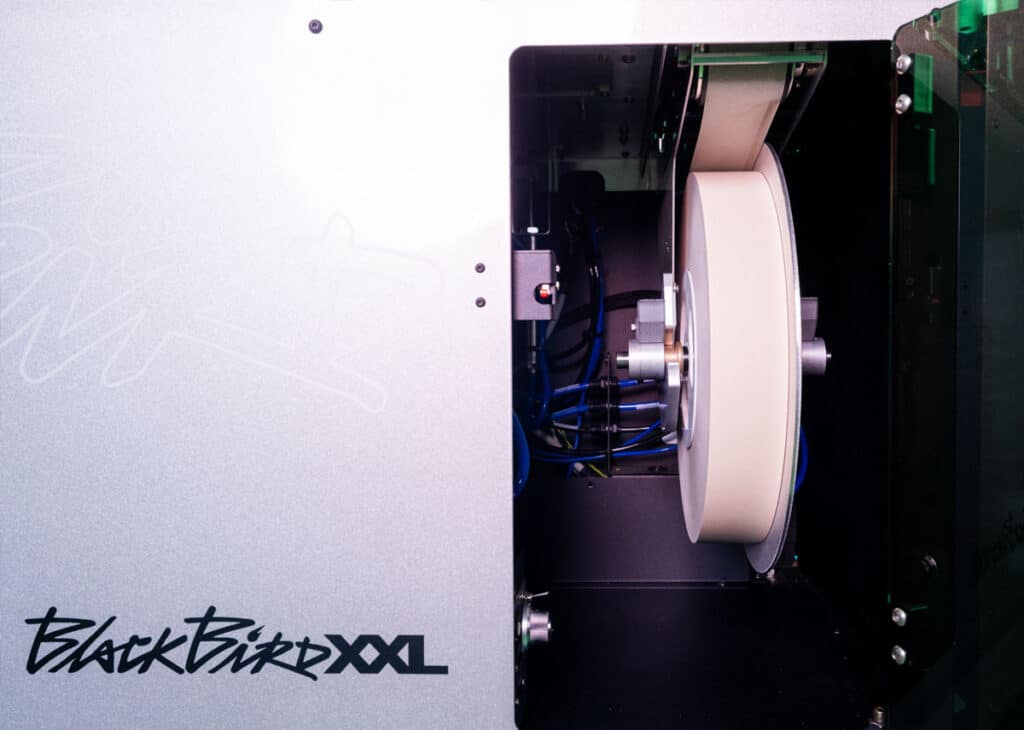
Systems that use paper bobbins instead of pre-made cones eliminate a significant amount of operator handling. Rather than constantly loading trays of cones, operators can simply install a new paper bobbin and continue production. On the Blackbird, that process takes about a minute.
Less loading. Less interruption. Less standing around waiting for someone to refill the machine.
When evaluating pre-roll equipment, don’t just ask how many joints per hour it can produce when it’s running.
Ask how often production has to stop to keep it running.
Because a machine that runs continuously will often outperform a machine that’s constantly waiting for attention.
3. Constant Weight Adjustments
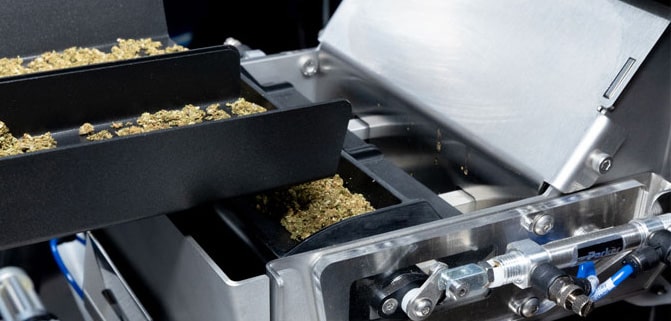
One of the most common things we see is operators chasing target weights all day long.
Adjust.
Test.
Adjust again.
Run 50 units.
Adjust again.
Question your life choices.
The problem isn’t always the machine.
Weight variation often comes from changing moisture levels, inconsistent material preparation, or poor process control upstream.
Every time production stops for troubleshooting, output drops. Going with a machine that has tight tolerances and produces more exact weights can help increase overall output in the same way that consistent input material can. Less rejects, less time reintroducing loose material back into the machine.
The operations that consistently produce the most pre-rolls aren’t necessarily running faster.
They’re stopping less.
4. Operator Workflow Chaos
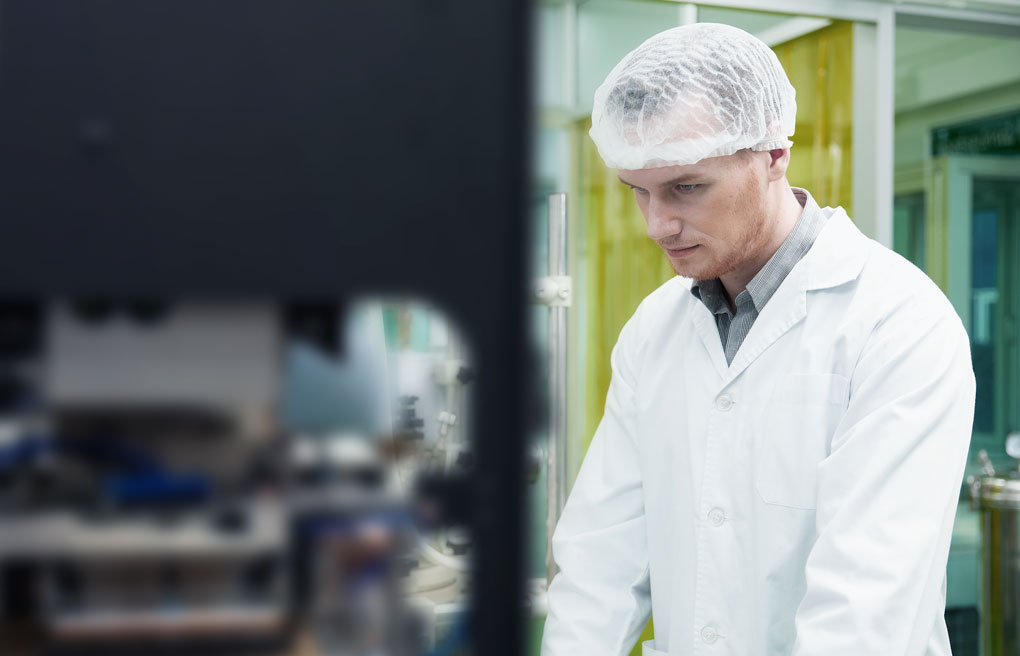
A machine running at 100% speed isn’t productive if operators spend half their shift looking for materials, loading trays, moving products, or waiting for the next batch.
We’ve seen facilities invest hundreds of thousands of dollars into production equipment while their workflow looks like a game of cannabis-themed dodgeball.
Questions worth asking:
- Is material always ready when production starts?
- Are supplies staged in advance?
- Is quality control slowing down the entire line?
- Are operators walking across the room every five minutes?
- Is packaging creating a bottleneck downstream?
Small workflow improvements can produce surprisingly large gains in output.
Sometimes the fastest way to make more pre-rolls is simply taking fewer steps.
5. Cleaning Time
Here’s a dirty little secret about pre-roll production:
The machine isn’t making money while you’re cleaning it.
And yet, cleaning is one of the most overlooked factors when evaluating production equipment.
Most buyers focus on one number:
How many pre-rolls can it produce per hour?
That’s important. But here’s a better question:
How long does it take to get the machine ready for the next run?
Some production systems can produce pre-rolls at astonishing speeds. The numbers look amazing in a sales presentation.
What doesn’t always make it into the presentation is what happens afterward.
Complex machines often require extensive cleaning procedures, multiple operators, and significant downtime between batches.
We’ve seen operations spend more time cleaning equipment than running it. That’s not production. That’s industrial dishwashing.
The reality is that throughput isn’t just about speed. It’s about the entire production cycle.
Run time. Changeover time. Cleaning time. Getting back into production.
All of it matters.
A machine producing 1,000 pre-rolls per minute sounds impressive. But if it takes two people two full days to clean afterward, that production speed starts looking a lot less magical.
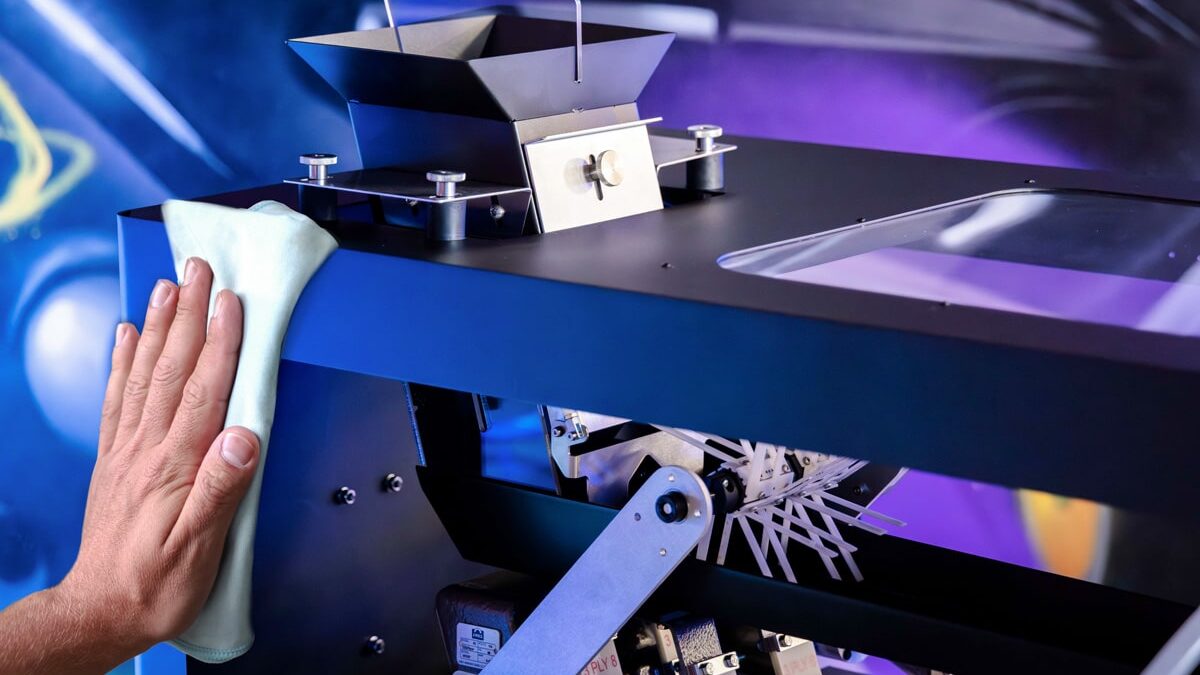
By comparison, equipment designed with simplicity in mind can often be cleaned thoroughly from top to bottom in a fraction of the time. The Blackbird, for example, can typically be cleaned in about 20 minutes.
That’s not just a maintenance advantage, it’s a production advantage.
Because every minute spent cleaning is a minute you’re not making pre-rolls.
When evaluating equipment, don’t just ask how fast it runs. Ask how fast your team can get it ready to run again.
The Bottom Line
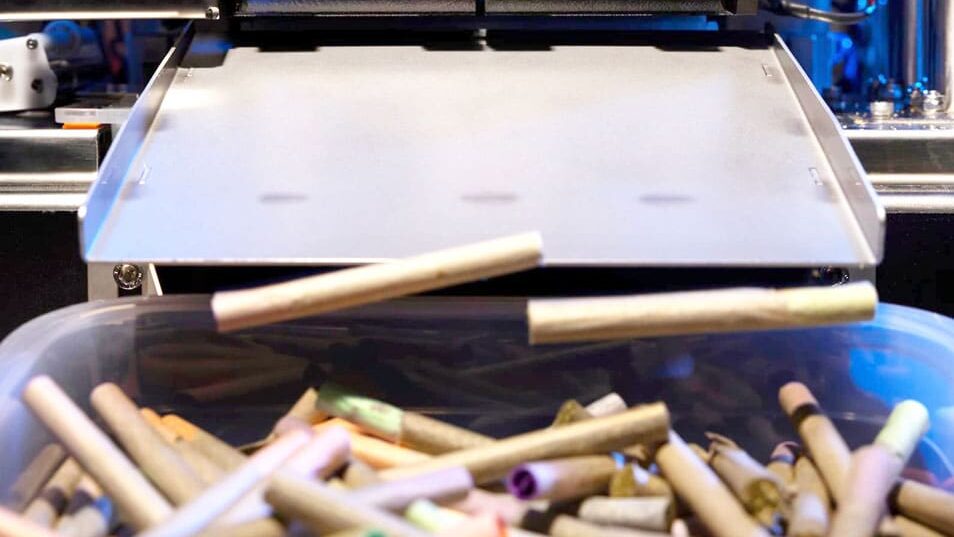
Machine speed matters.
But it’s often not the first thing limiting production.
The highest-output pre-roll operations focus on:
- Consistent material preparation
- Efficient machine loading and uptime
- Stable weight control
- Efficient operator workflows
- Minimal downtime
Then they pair those processes with a commercial machine that can actually keep up. That’s when production scales.
Because the goal isn’t buying the fastest machine, the goal is building the fastest operation.
And those are not always the same thing.
Thinking About Upgrading Your Pre-Roll Production?
Before you buy your next machine based solely on a “joints per hour” spec sheet, take a hard look at the bottlenecks that are actually costing you output.
The best production equipment doesn’t just run fast. It keeps operators productive, minimizes downtime, and helps your team spend more time making pre-rolls and less time babysitting equipment.
Because at the end of the day, nobody gets paid for theoretical output, only the joints that actually make it out the door.