Pre-Roll Myths That Are Slowing Your Production Down
(And yes, some of them are costing you real money)
Let’s be honest: the pre-roll category has a lot of… inherited wisdom.
Some of it is useful. A lot of it is outdated. And some of it is straight-up holding operators back.
At RollPros, we spend our days talking to brands that are already producing at scale or trying to get there. And across the board, we hear the same myths repeated with total confidence.
The problem?
Most of them were true five years ago. Not today.
Let’s break a few of the big ones.
Myth #1: “Hand-rolled = premium”

This one refuses to die.
Yes, hand-rolled pre-rolls feel premium. They signal craftsmanship. Attention to detail. Small-batch quality.
But here’s what actually defines premium in 2026:
Consistency.
Consumers don’t see your rolling table.
They experience whether it draws properly, whether it burns evenly, or whether it canoes halfway through.
Hand-rolling introduces variability at every step:
- Inconsistent weights
- Uneven packing
- Airflow issues
- Greater potential for contamination
And all it takes is one bad smoke to undo that “premium” perception.
Meanwhile, operators who’ve modernized their process are delivering a more consistent, and frankly better, experience every time.
The takeaway:
“Handcrafted” doesn’t mean much if the product doesn’t perform.
Myth #2: “Machines ruin good flower”

This myth comes from a real place, because a lot of machines do.
All of our competitor’s machines rely on over grinding, tamping or vibration to fill, and require over-drying of the flower (often down to 6% moisture or below) to work. That:
- Breaks down trichomes
- Degrades the cannabinoids and terpenes
- Leads to inconsistent airflow and burn
So yes: bad automation kills quality. If you’re starting with good flower, a cone-based machine will ruin it.
But that’s not a category problem, that’s a design problem. Cone stuffing machines are based on technology that existed before the cannabis industry. They were never designed for cannabis, it was just the easiest type of equipment to adapt when things legalized.
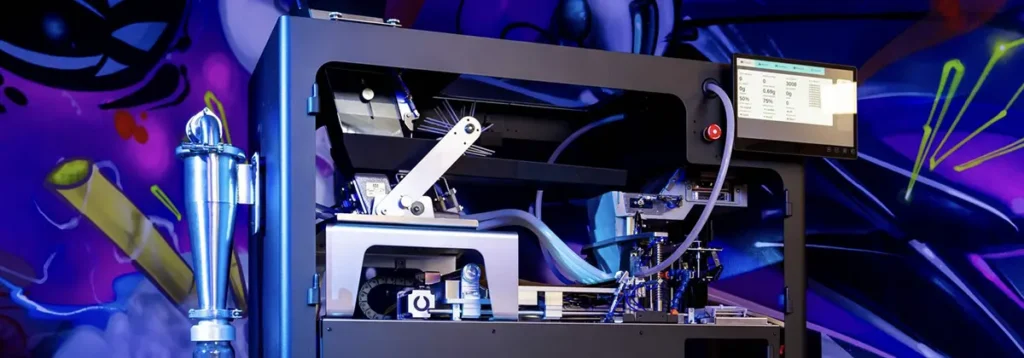
The Blackbird is designed for:
- High-moisture, sticky flower
- Gentle material handling
- Variable particle size
- Adjustable rolling tension/airflow
Operators who switch from legacy equipment often notice something immediately:
Their product doesn’t just scale, it smokes better.
If your machine requires you to compromise your flower, it’s the wrong machine.
Myth #3: “All pre-roll machines are basically the same”
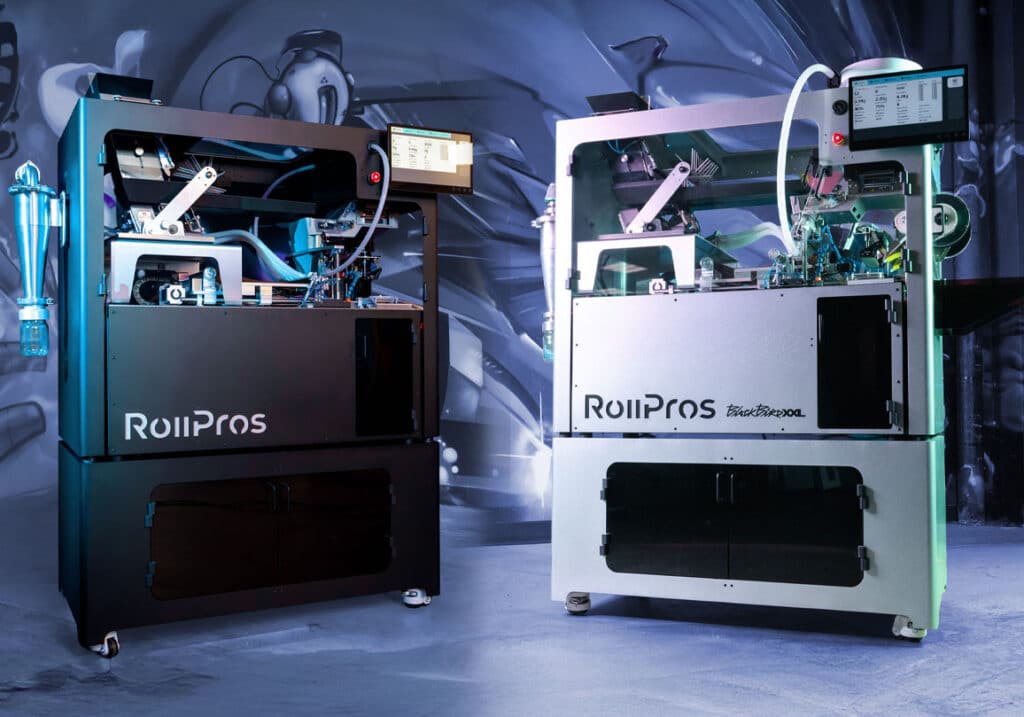
This one is where operators lose the most money.
Because on paper, a lot of machines look similar. You see the same phrases repeated with virtually all of our competition. “High throughput” “automated filling” “consistent results” “customizable products.”
But in practice? Completely different story.
Our competitor’s systems:
- Over-process your material just to keep moving
- Struggle to maintain consistent density
- Require constant tweaking to stay on spec
- Turn your team into full-time babysitters
You don’t notice the difference in a demo. You notice it after 3 months of daily production in your rework pile, your yield loss, your team’s frustration, and your customer’s complaints.
Not all machines are built for pre-roll quality, some are just built for throughput.
And that tradeoff shows up fast.
Myth #4: “We’ll just add more people”

The classic scaling strategy: hire more rollers. It works… until it breaks.
Because people don’t scale like systems do.
More labor means:
- More training time
- More inconsistency
- More management overhead
- More variability shift to shift
And the reality is: Hand-rolling output doesn’t scale cleanly, it scales unpredictably.
We’ve seen teams double headcount and barely move the needle on usable output once QC is factored in.
Operators who transition to system-driven production see the opposite. They need fewer people, have more predictable output, and see less variability across shifts.
Maybe the best part: their top employees stop fixing mistakes and start improving the process.
Myth #5: “We’re just not big enough yet”

This one sounds cautious, but it’s actually expensive.
Waiting to upgrade your process usually means you’ve accepted inefficiency as “normal.” You’re letting labor costs creep up. Or maybe you’re building bad habits into your operation that will only get worse as you grow.
By the time you feel the bottleneck, you’re already reacting instead of optimizing.
We see brands that move earlier don’t just grow faster, they grow cleaner. When you’re small and nimble, it’s much easier to standardize processes, predict production, and reduce and tackle any QC surprises that come up.
You don’t need to be massive to benefit from better production, you need to be serious about scaling.
Legit automation like our Blackbird is an investment, no question. But with creative financing options it’s more approachable than you’d think. Our customers range from 4-persion to 400-person operations. What cannabis company doesn’t fit in that range?!
Myth #6: “We’ll fix consistency later”
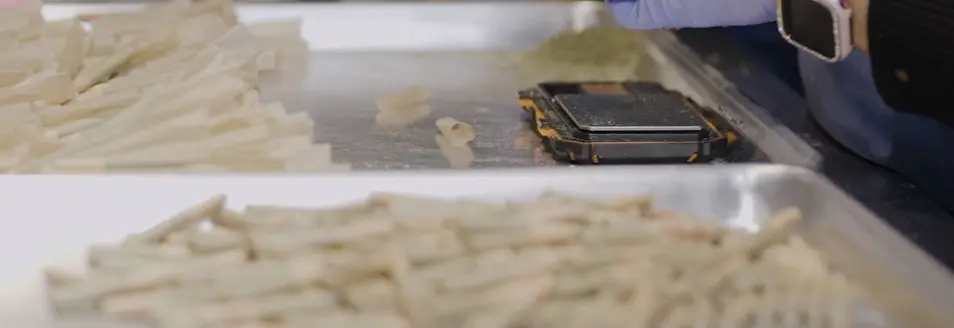
This is a quiet one, but it adds up. A few off-weight units here. Some loose packs there. A handful of returns from customers.
No big deal… at first.
But over time, that turns into:
- Lost product
- Lost time
- Lost trust
And once customers start associating your brand with inconsistent pre-rolls, it’s hard to win them back.
The best operators don’t “check for consistency” at the end.
They design for it from the start.
So what’s actually happening in the market?
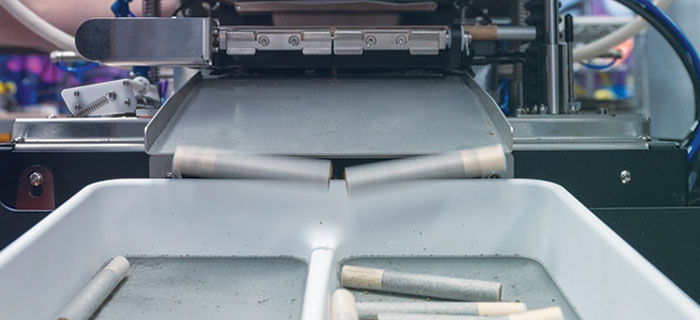
The brands pulling ahead right now aren’t just producing more pre-rolls, they’re rolling real joints.
They’re rethinking how production works.
They’re moving away from labor-heavy, variable process and equipment that prioritizes speed over quality.
And they’re moving toward systems that deliver repeatability, efficiency, scalable quality, and can help them produce truly high-quality, differentiated products. All without compromising the flower.
Final thought
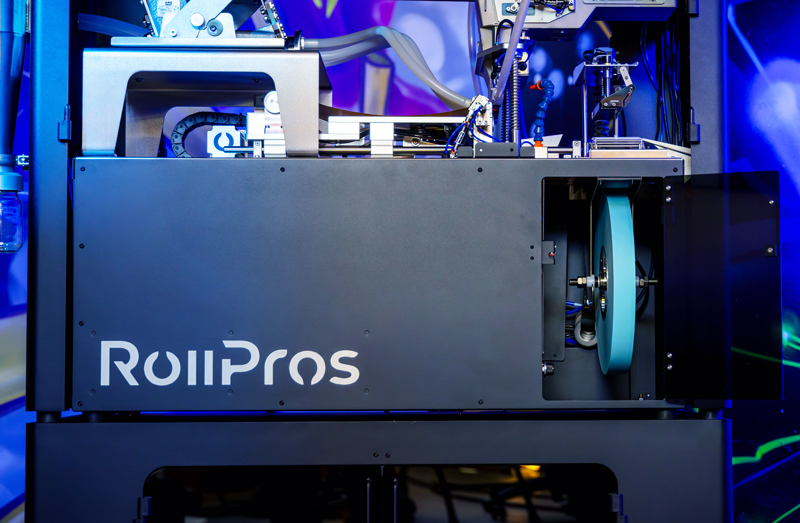
If some of these myths sound familiar, that’s because most operators start there.
But the ones separating themselves in today’s market aren’t working harder to make pre-rolls, they’re building smarter ways to produce them.
Because your customer doesn’t care how many people you hired, how long it took, or how “craft” the process felt.
They care that it’s a good experience. They care that it hits right, burns evenly, and gives them an experience that feels the same way every single time:
And the operators who can deliver that at scale are the ones defining what “premium” actually means now.