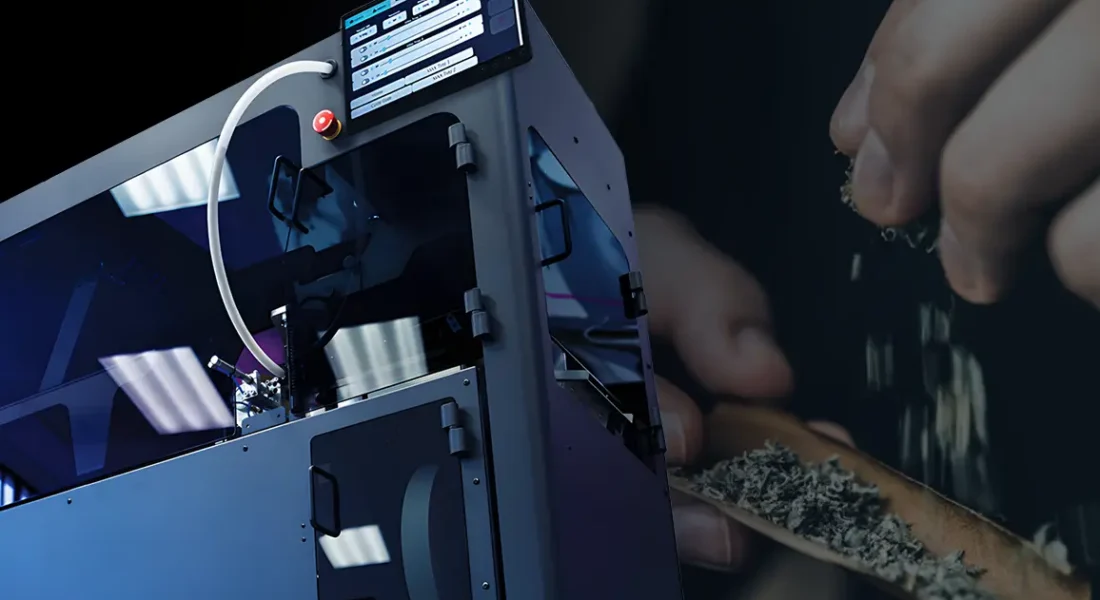
Pre-Roll Machines vs. Hand-Rolled Joints: Which is Better for Your Business?
Introduction
The legal cannabis market continues to grow, bringing higher consumer expectations alongside expanding opportunity. Today’s buyers are not only looking for convenience, but also reliability and product experiences they can trust every time they purchase. Pre-rolls have quickly become one of the fastest growing product categories because they eliminate preparation while offering a familiar and approachable format.
As demand increases, cannabis operators face an important operational decision. Should production rely on skilled employees rolling joints by hand, or should businesses invest in pre-roll machines to support larger scale output? This choice influences far more than production speed. It affects product uniformity, operational planning, staffing needs, and long-term profitability.
For companies focused on sustainable expansion, the decision plays a central role in shaping efficiency and scalability with pre-roll manufacturing. Understanding how each approach impacts daily operations helps businesses align production methods with future growth.

What are Pre-Roll Machines?
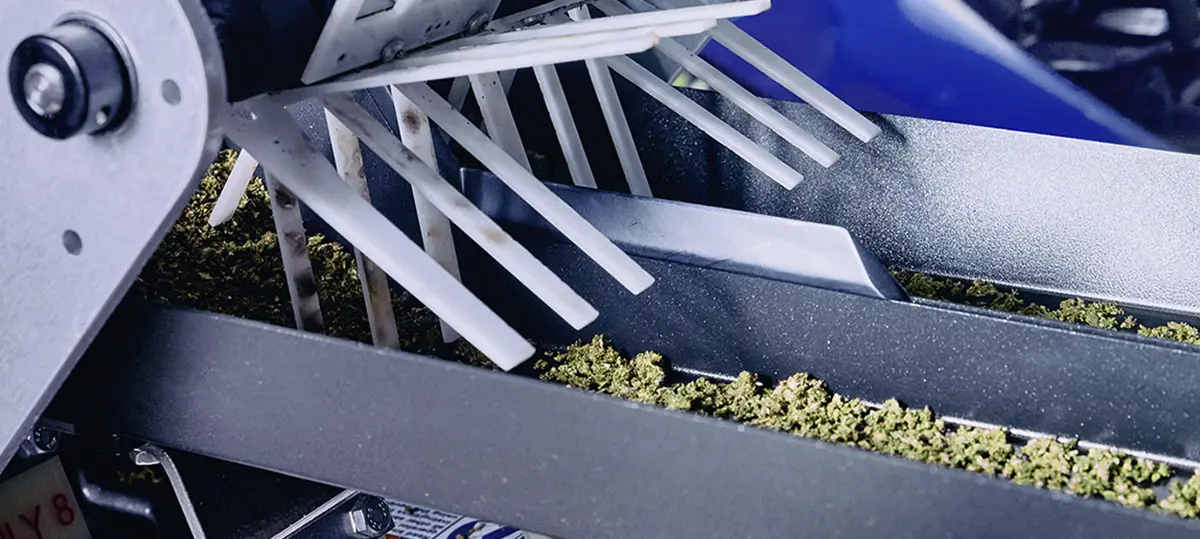
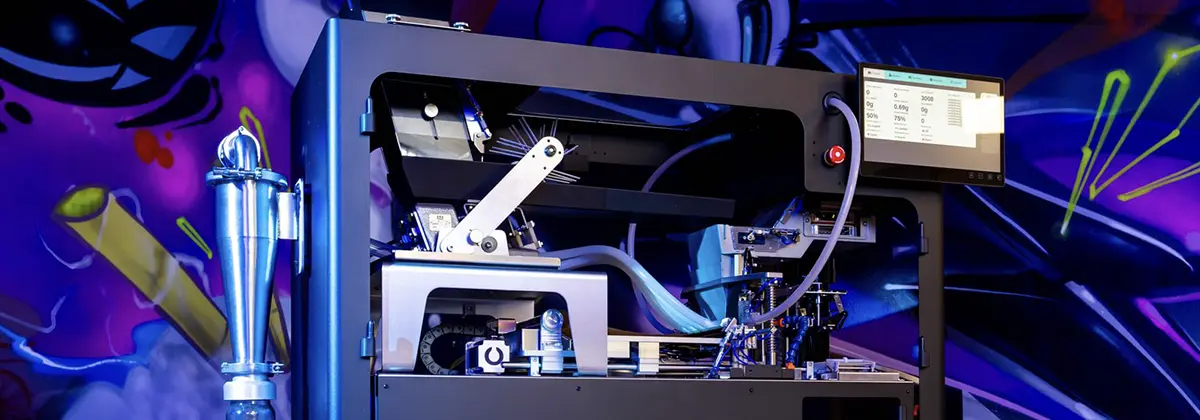
Pre-roll machines are specialized systems designed to automate or assist the process of filling, shaping, and finishing joints at scale. Instead of relying entirely on manual labor, these systems standardize each stage of production, from grinding and dosing to packing and closing.
At a basic level, machines help operators fill cones more quickly than hand-rolling. Entry-level solutions may involve semi-automatic tools that assist with packing material evenly. More advanced systems integrate multiple steps into a streamlined workflow, allowing operators to produce thousands of units per shift with minimal variation.
There are several types of joint rolling machines available across the industry. Some are designed for small businesses that need moderate throughput, while others support large-scale operations producing significant daily volumes. The key difference lies in automation level, production capacity, and precision controls.
The introduction of pre-roll automation has allowed manufacturers to dramatically reduce production bottlenecks. Automated processes ensure accurate fill weights, consistent density, and repeatable results. By minimizing human variability, operators can maintain higher quality standards while increasing speed and efficiency.
Hand-Rolled Joints: The Traditional Approach

Before automation entered the market, hand-rolling was the only method available for producing pre-rolls. Even today, many cannabis brands continue to embrace this traditional approach, viewing it as an artisanal practice that highlights craftsmanship and attention to detail.
Hand-rolled cannabis pre-rolls often appeal to boutique brands focused on small batches or premium positioning. Skilled rollers can make adjustments on the fly, tailoring each joint to unique flower characteristics. This flexibility allows producers to experiment with grind size, packing pressure, and visual presentation.
Another advantage of manual rolling is customization. Brands can create specialty products that require delicate handling or non-standard formats. For companies emphasizing authenticity or handcrafted appeal, manual production can reinforce brand identity and storytelling.
However, hand-rolling comes with significant challenges. The process is time intensive and requires ongoing training to maintain quality. Production speed depends entirely on employee skill and stamina, making output difficult to predict or scale.
Labor costs also increase quickly as demand grows. Hiring and retaining experienced rollers becomes a major operational expense, especially in markets with rising wages. In addition, consistency can vary between workers, shifts, and batches, leading to uneven burn performance or inconsistent weights.
While hand-rolling offers artistry and flexibility, it often struggles to keep pace with modern consumer demand.
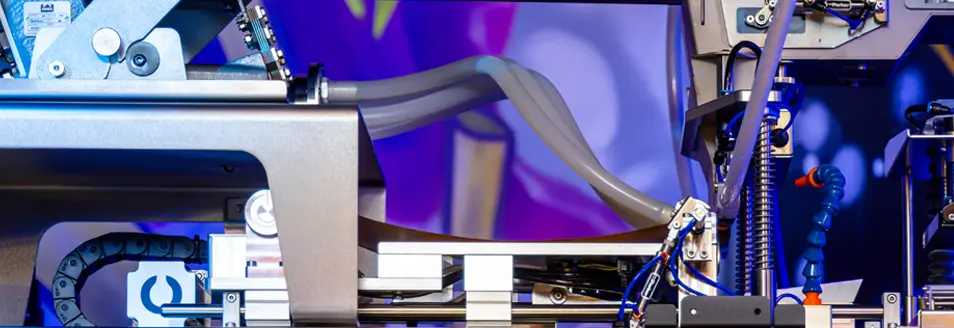
Pre-Roll Machines: The Modern Solution for High-Volume Manufacturing
Automation has transformed many manufacturing industries, and cannabis is no exception. Modern production equipment enables businesses to move from manual workflows to scalable systems capable of meeting retail demand without sacrificing quality.
One of the biggest advantages of automation is production speed. Automated systems can produce significantly more units per hour compared to manual rolling teams. This increased throughput allows brands to keep shelves stocked and respond quickly to market demand.
Consistency is another major benefit. Machines apply uniform pressure and dosing throughout the process, resulting in products that look and perform the same across every batch. Consumers increasingly expect reliability, and consistent products help build brand trust over time.
Labor efficiency also improves dramatically. Instead of employing large rolling teams, businesses can operate with smaller crews focused on oversight, quality control, and packaging. This shift reduces long-term labor expenses while allowing employees to focus on higher-value tasks.
Automation also increases output capacity, helping companies grow without constantly expanding their workforce. For businesses entering competitive markets, the ability to scale production efficiently can be the difference between growth and stagnation.
Uniformity plays a key role in customer satisfaction. Automated systems ensure consistent fill weight, density, and structure, which leads to predictable burn rates and improved consumer experiences.

Efficiency and Scalability: Which Option Wins?
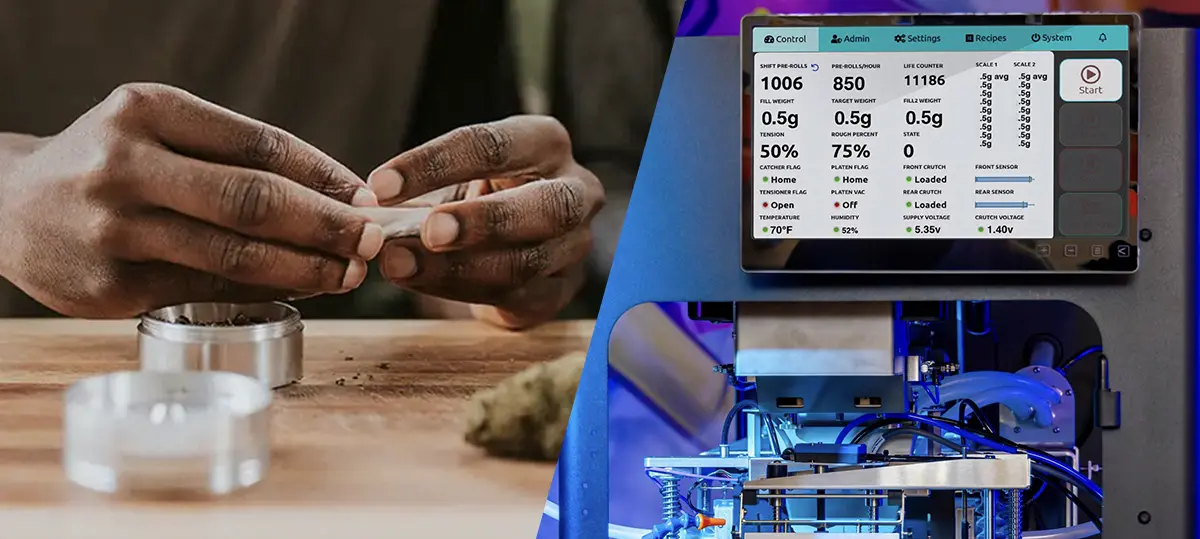
Efficiency becomes increasingly important as cannabis businesses expand. Manual rolling methods can work well at small volumes, but they often reach a limit where adding more workers produces diminishing returns.
Automated rolling equipment offers significantly higher production capacity. Machines can operate continuously with consistent performance, allowing businesses to plan inventory more accurately. Predictable output simplifies supply chain management and reduces the risk of shortages.
Scalability is where automation truly stands out. As demand increases, companies using automated systems can expand production without dramatically increasing staffing levels. This creates a more stable cost structure and supports long-term growth.
Hand-rolling may still be appropriate for boutique brands producing limited releases or specialty products. Smaller operations often prioritize craftsmanship and storytelling over volume. For these businesses, manual production can align with brand positioning.
However, companies aiming to distribute across multiple dispensaries or regions typically require automated solutions to maintain supply consistency. Automation allows operations to scale smoothly while maintaining product standards.

Cost Considerations: Investment vs. Ongoing Labor
One of the most common concerns for cannabis operators is cost. Automated equipment requires an upfront investment, which can seem significant compared to hiring rolling staff. However, evaluating costs over time often tells a different story.
Manual rolling carries ongoing expenses that accumulate quickly. Wages, training, turnover, and management oversight all contribute to long-term operational costs. As production volume increases, these expenses grow proportionally.
Automation shifts costs toward an initial capital investment while reducing recurring labor expenses. Over time, many businesses find that savings from increased efficiency and reduced staffing needs offset the upfront purchase price.
For smaller companies, the decision may depend on production goals. A startup producing limited batches may find manual methods sufficient in early stages. As demand grows, investing in automation can prevent operational strain and maintain profitability.
Larger operators typically benefit sooner from automation due to higher production volumes. Increased efficiency lowers cost per unit, improving margins and enabling competitive pricing strategies.
Cost-benefit analysis should consider not only direct expenses but also opportunity costs. Delayed production, inconsistent output, and limited scalability can restrict growth potential and revenue opportunities.

Quality and Consistency: The Key to Customer Satisfaction
In the cannabis industry, consistency is essential for building trust. Consumers expect products to perform the same way every time they purchase them. Variations in weight, airflow, or burn rate can negatively affect brand perception.
Automated systems help maintain uniform weight distribution and packing density, ensuring reliable performance across batches. Standardized processes reduce variability and create a more predictable experience for consumers.
Hand-rolled joints, while often visually appealing, can vary depending on individual technique. Even experienced rollers may produce subtle differences that affect airflow or burn quality. Over time, these inconsistencies can impact customer satisfaction.
Automation supports quality control by minimizing human error. Measured dosing and controlled packing create products that meet defined specifications. This level of precision is especially important for brands operating in multiple markets where consistency drives repeat purchases.
Maintaining high standards also simplifies compliance and testing requirements. Uniform products are easier to monitor, document, and verify during quality assurance processes.
Sustainability and Waste Reduction

Sustainability has become an important consideration across the cannabis industry. Efficient use of raw materials not only reduces environmental impact but also improves profitability.
Automated systems reduce material waste by measuring and filling joints with precision. Accurate dosing prevents overfilling and minimizes product loss during production. Consistent processes also reduce the number of defective units that must be discarded.
Manual rolling can result in uneven distribution or spillage, particularly during high-volume production. Small inefficiencies add up over time, leading to higher material consumption and increased costs.
Automation also reduces repetitive manual tasks, which can improve workplace ergonomics and reduce employee fatigue. Fewer errors translate into less wasted product and more efficient resource use.
From an environmental perspective, efficient production supports responsible resource management. Businesses that reduce waste and improve efficiency contribute to more sustainable operations while strengthening their bottom line.
Choosing the Right Solution for Your Business
Selecting the right production method depends on several key factors. There is no universal answer, and successful operators evaluate their unique needs before making a decision.
Business size plays a major role. Small, craft-focused brands may benefit from manual production methods that emphasize artistry and flexibility. Larger companies distributing at scale often require automation to maintain supply and consistency.
Production goals are equally important. Companies planning rapid growth should consider how their production process will adapt to increased demand. Automation can provide a clear path toward expansion without constant restructuring.
Budget considerations must balance short-term affordability with long-term efficiency. While manual production may appear less expensive initially, ongoing labor costs can quickly surpass equipment investments.
Customer expectations also influence the decision. Markets increasingly reward consistency and reliability, making standardized production processes more valuable over time.
Ultimately, businesses should evaluate where they want to be in one, three, and five years. Production methods should align with long-term strategy rather than immediate convenience.

Conclusion
Both automated production and traditional hand-rolling have a place within the cannabis industry. Each approach offers unique advantages depending on brand identity, production scale, and operational priorities.
Hand-rolling highlights craftsmanship and works well for small batches or specialty products. Automated systems provide efficiency, consistency, and scalability for businesses focused on growth and large-scale distribution.
As consumer demand continues to rise, many companies are exploring automation as a way to maintain quality while expanding output. Investing in joint rolling machines can help businesses streamline operations, reduce long-term costs, and deliver reliable products to an increasingly competitive market.
Carefully weighing efficiency, cost, quality, and brand positioning will help operators determine the best path forward. Businesses interested in scaling production and improving consistency should consider exploring automated solutions and learning how modern equipment can support their long-term success.