Is Weed Legal in Florida? Marijuana Laws Explained (2026)
Last updated: August 21, 2026
Quick Answer
Is weed legal in Florida? Yes, but only for medical use. Florida allows qualified patients with a valid medical marijuana card to purchase cannabis through licensed dispensaries. Recreational marijuana is still illegal, and adults without a medical card cannot legally buy, possess, or use cannabis under Florida law.
Florida’s marijuana laws can be confusing because the answer isn’t simply yes or no. Medical marijuana has been legal for several years, but recreational cannabis is still off the table. If you’re trying to figure out what you can legally buy, possess, or smoke in 2026, here’s what you need to know.
Whether you’re a Florida resident, planning a vacation, or just trying to keep up with changing cannabis laws, understanding the difference between medical and recreational marijuana is important. This guide covers the current law, what changed after Amendment 3, how Florida’s medical marijuana program works, and what penalties still exist for people who aren’t authorized to possess cannabis.
Is weed legal in Florida right now?
Is weed legal in FL? Yes, but only if you’re a registered medical marijuana patient. Florida allows qualified patients to purchase cannabis through licensed Medical Marijuana Treatment Centers (MMTCs), but recreational marijuana remains illegal.
That means the current marijuana laws in Florida work a little differently than they do in states like Colorado, Nevada, or Michigan. You can’t simply walk into a dispensary because you’re over 21. Unless you’re enrolled in Florida’s medical marijuana program, possessing or purchasing cannabis can still lead to criminal charges.
Is recreational weed legal in Florida?
Some of the most common questions people ask are, is recreational weed legal in Florida, or does Florida have recreational weed?
The answer is still no. Despite several legalization efforts over the last few years, Florida has not approved recreational marijuana for adults. The state continues to operate a medical-only cannabis program, and recreational possession remains illegal.
What happened to Amendment 3 (2024)?
If you’ve followed cannabis news in Florida recently, you’ve probably heard about Amendment 3 (2024). It was the closest Florida has come to legalizing recreational marijuana.
The proposal, backed by Smart & Safe Florida, would have allowed adults 21 and older to legally purchase and possess cannabis from licensed businesses. It also received significant financial support from Trulieve, one of the state’s largest medical marijuana companies.
When voters went to the polls, the amendment received about 55.9% support. In most states, that would have been enough, but Florida is different. Constitutional amendments must receive at least a 60% supermajority to pass. Even though a majority of voters supported legalization, Amendment 3 barely fell short of that requirement and failed to become law.
The failed 2026 ballot effort
Even after Amendment 3 failed, supporters still didn’t give up. A revised legalization proposal was introduced for 2026, but it never made it back to voters. New petition requirements and signature verification rules created additional hurdles, and legal challenges weren’t enough to keep the initiative alive. By early 2026, it became official that recreational marijuana wouldn’t appear on Florida’s ballot that year.
Could it become legal in 2028?
It’s certainly possible, but nobody knows for certain. Public opinion has continued moving toward legalization, and recent ballot results suggest that a majority of Floridians support adult-use cannabis. The challenge isn’t convincing more than half the voters, it’s convincing enough people to reach Florida’s 60% constitutional threshold.
But until that day comes, Florida remains a medical-only state.
Is medical marijuana legal in Florida?
Medical marijuana has been legal in Florida since voters approved Amendment 2 (2016), expanding access well beyond the state’s original Compassionate Medical Cannabis Act. Today, the program is overseen by the Florida Department of Health through the Office of Medical Marijuana Use (OMMU) and operates under Fla. Stat. §381.986. Patients who qualify can legally purchase cannabis products from licensed MMTCs after completing the state’s registration process.
Qualifying conditions
Florida’s medical marijuana program covers a wide range of medical conditions.
Some of the most common include:
- Cancer
- Epilepsy
- Glaucoma
- HIV/AIDS
- PTSD
- ALS
- Crohn’s disease
- Parkinson’s disease
- Multiple sclerosis
- Terminal illnesses
- Chronic nonmalignant pain related to a qualifying condition
The list doesn’t stop there though. Florida also allows physicians to recommend medical marijuana for conditions they determine are similar in severity to those specifically listed in state law. That gives doctors some flexibility when evaluating individual patients.
How to get a Florida medical marijuana card
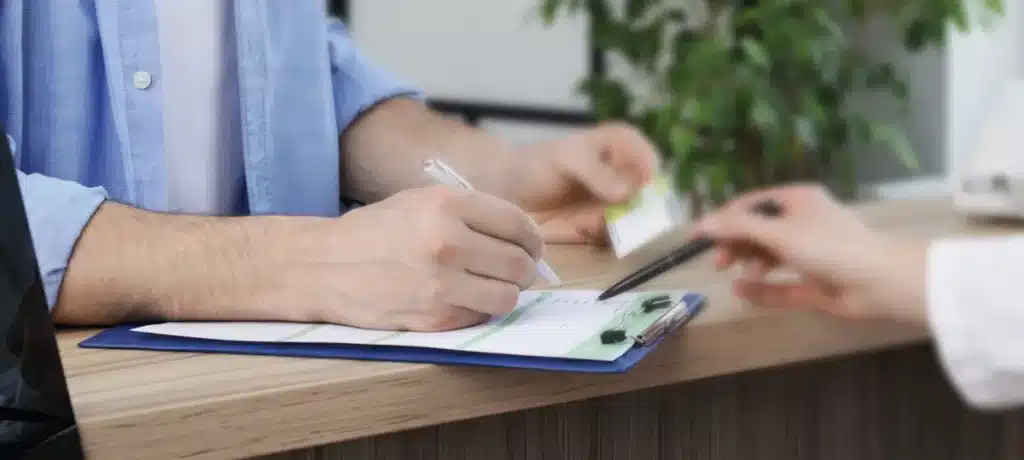
Florida has a pretty well established medical marijuana program compared to a lot of states. The process is typically pretty straightforward if you qualify.
Step 1: Schedule an appointment with a qualified physician.
Not every doctor can recommend medical marijuana. You’ll have to visit a physician who has completed the state’s required certification training.
Step 2: Receive your physician certification.
If you’re qualified by your physician, they’ll enter your information into Florida’s Medical Marijuana Use Registry (MMUR).
Step 3: Submit your state application.
You’ll complete your application through the Office of Medical Marijuana Use, provide proof of Florida residency, and pay the current $75 state application fee.
Step 4: Receive your card.
You can begin purchasing products from licensed MMTCs throughout the state once you’ve been approved and receive your medical card.
Approval times can vary depending on application volume, but the process typically moves pretty quickly.
Possession and purchase limits for patients
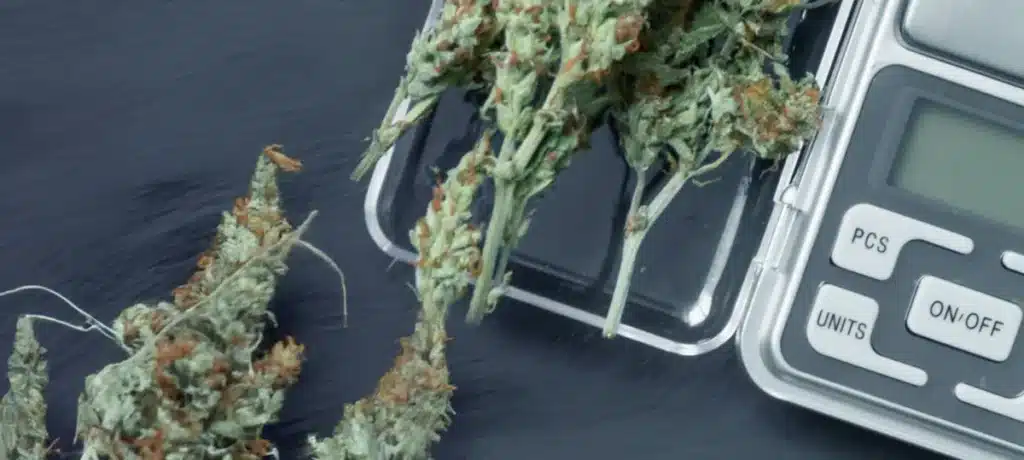
There are still state-wide limits on how much cannabis you can legally purchase and possess, even if you have a medical card.
For smokable flower, patients can generally purchase up to 2.5 ounces during a rolling 35-day period. State rules also place a 4-ounce possession cap unless a physician approves an exception. These limits were established through SB 8A and are automatically tracked through the Medical Marijuana Use Registry.
For oils, edibles, concentrates, tinctures, and other non-smokable products, patients may purchase up to 24,500 mg THC during a rolling 70-day supply period.
People are often caught off guard when they learn that you still can’t grow cannabis at home, even if you possess a medical marijuana card. At-home cultivation is still prohibited in the state of Florida, so every purchase has to come from a legal and licensed MMTC.
Marijuana possession penalties in Florida
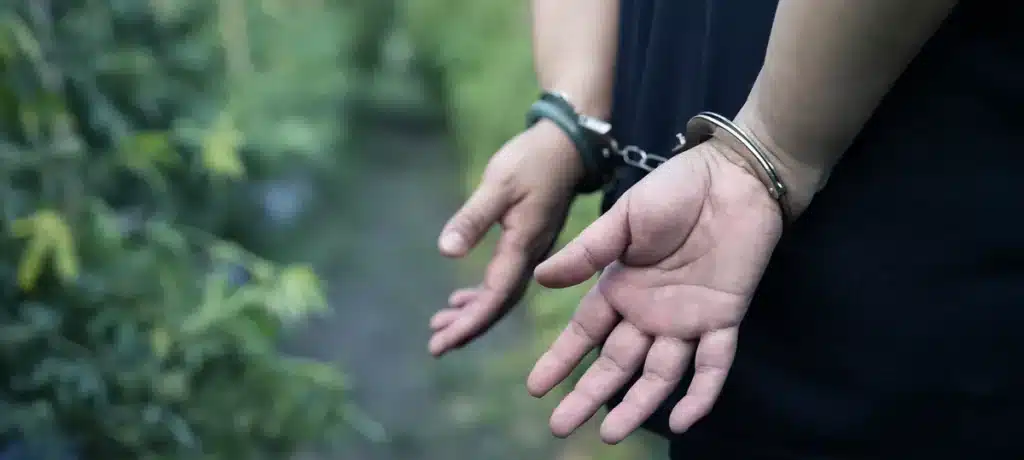
Florida still enforces criminal penalties for marijuana possession if you aren’t covered by the state’s medical marijuana program. Under Fla. Stat. §893.13, the penalties generally increase as the amount of marijuana increases, although concentrates are treated differently than flower.
| Amount | Typical Charge | Maximum Penalty |
| 20 grams or less | First-degree misdemeanor | Up to 1 year in jail and a $1,000 fine |
| More than 20 grams | Third-degree felony | Up to 5 years in prison and larger fines |
| Larger trafficking amounts | Felony trafficking charges | Enhanced criminal penalties |
Every case is different, and prosecutors still have discretion, but these are the penalties allowed under current Florida law.
20 grams or less
Possessing 20 grams or less of marijuana is generally charged as a first-degree misdemeanor.
A conviction can carry:
- Up to one year in jail
- Up to a $1,000 fine
- Probation
- Community service
- A permanent criminal record
Some Florida cities have adopted civil citation programs for small possession cases, but those alternatives aren’t available everywhere. We’ll cover those local differences later in this guide.
Felony amounts
Once the amount exceeds 20 grams, the charge typically becomes a third-degree felony.
That can mean:
- Up to five years in prison
- Up to five years of probation
- Higher fines
- A felony conviction that can affect employment, housing, and other opportunities long after the case is over
THC concentrates
THC concentrate is treated way more seriously than a lot of people realize in the state of Florida. Possession of products such as vape cartridges, wax, shatter, distillate, live resin, and other concentrated cannabis extracts can lead to a third-degree felony. Even if the amount involved is small, it can still be a problem. That’s one of the biggest differences between marijuana flower and concentrated THC products under Florida law.
Driver’s license suspension
A marijuana conviction can affect more than just your criminal record. Under Fla. Stat. §322.055, certain drug convictions may also result in a driver’s license suspension, even if the offense didn’t involve driving under the influence. That’s an important consequence many people don’t realize until after a conviction has already occurred.
Is it legal to smoke weed in Florida?
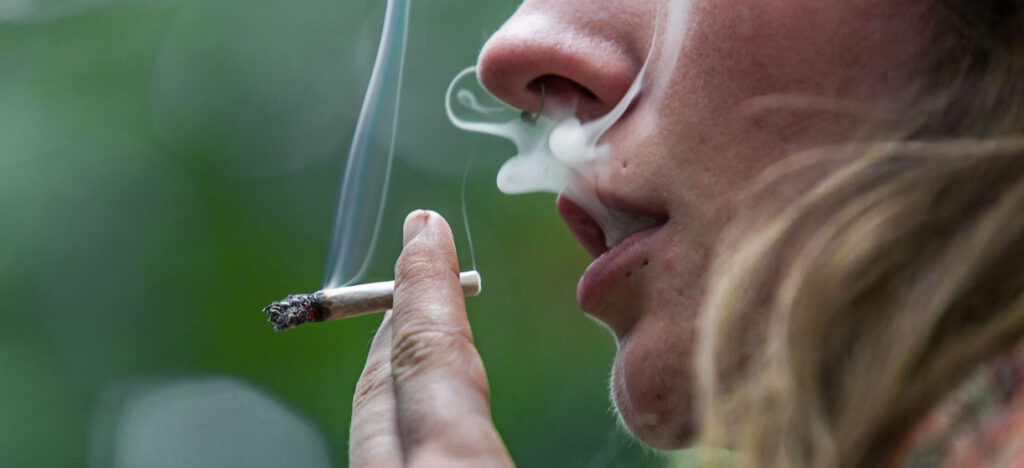
The answer depends on who you are and where you’re smoking. If you’re a qualified medical patient, you can legally smoke. However, that doesn’t mean you can just light one up wherever you please. For anyone without a medical card, recreational smoking remains illegal since recreational marijuana is prohibited itself.
So if you’re asking is it legal to smoke weed in Florida, here’s the simple breakdown:
- Medical patients: Yes, but only where state law allows.
- Everyone else: No.
Where can medical patients smoke?
The smoking of medical marijuana is typically limited to private property, such as your home or another private residence when the property owner allows it. The use of cannabis in a public setting is still prohibited, even with a valid medical marijuana card. That includes places like:
- Parks
- Beaches
- Restaurants and bars
- Sidewalks
- Public events
- School grounds
- Government buildings
It’s also illegal to smoke marijuana while driving or riding in a moving vehicle.
Can you get a DUI for marijuana?
You sure can. Florida’s DUI law, Fla. Stat. §316.193, applies to marijuana just like it does alcohol and other impairing substances. One thing that makes marijuana DUIs different is that Florida doesn’t have a legal THC limit like it does for blood alcohol concentration. Officers and prosecutors instead have to show that your ability to safely operate a vehicle was in fact impaired by cannabis.
TLDR; having THC in your system doesn’t automatically make you guilty of a DUI. If you’re impaired while driving though, you can still be arrested and prosecuted, even if you’re legally using medical marijuana.
Is THC legal in Florida? Hemp, Delta-8 & the 2026 federal “total THC” reset

This is where Florida cannabis law gets a little more complicated. When people ask is pot legal in Florida, they’re often talking about several different products at once. Traditional marijuana, hemp-derived Delta-8, Delta-9 gummies, THCA flower, and Delta-10 all fall under different legal frameworks.
Marijuana THC vs. hemp THC
Marijuana-derived THC is legal only through Florida’s medical marijuana program. Hemp products, on the other hand, became federally legal under the 2018 Farm Bill, provided they contain no more than 0.3% Delta-9 THC by dry weight. That distinction opened the door for a huge market of hemp-derived cannabinoid products sold outside of traditional dispensaries.
What about Delta-8, Delta-9, Delta-10 and THCA?
As of 2026, products containing Delta-8 THC, Hemp-derived Delta-9 THC, Delta-10 THC, or THCA can still be found throughout Florida, although lawmakers continue debating additional restrictions.
Consumers should know that legality doesn’t necessarily mean every product is regulated the same way. Testing standards, labeling requirements, and product quality can vary significantly depending on where products are purchased.
The federal “total THC” change
One of the biggest upcoming changes has nothing to do with Florida itself. Beginning November 12, 2026, federal hemp regulations move to a 0.4 mg total THC standard rather than focusing only on Delta-9 THC concentration.
That change could dramatically reshape the hemp industry because it considers cannabinoids that convert into THC after heating. Many analysts estimate that a large percentage of today’s hemp-derived cannabinoid products may no longer qualify under the updated federal definition. Businesses that manufacture or sell hemp products will likely be watching these changes very closely over the next several years.
Is weed legal in Jacksonville, Florida?

If you live in northeast Florida, you may be wondering is weed legal in Jacksonville Florida? Jacksonville follows Florida state marijuana laws, and therefore the answer is no. Recreational cannabis is still illegal, and Duval County hasn’t adopted a countywide decriminalization ordinance for simple marijuana possession unlike other counties.
That means someone caught possessing marijuana without legal medical authorization is generally subject to the same criminal penalties that apply throughout the rest of Florida. Some visitors assume larger cities automatically have more relaxed cannabis laws, but that’s definitely not the case in Jacksonville.
Decriminalization & civil citations by city and county
While Florida law applies statewide, several cities and counties have adopted civil citation programs for low-level marijuana possession. These programs don’t legalize marijuana, but instead, they may allow eligible individuals to receive a civil fine instead of being arrested for possessing a small amount of cannabis. Policies vary by jurisdiction and officers often have discretion over whether a citation is appropriate.
| City or County | Civil Citation Program |
| Miami-Dade | Yes |
| Broward County | Yes |
| Palm Beach County | Yes |
| Orlando | Yes |
| Tampa | Yes |
| Key West | Yes |
| Jacksonville / Duval County | No countywide ordinance |
Organizations like NORML continue tracking local decriminalization efforts across Florida as cities update their policies.
What the April 2026 federal Schedule III rescheduling means for Florida
Federal cannabis policy changed significantly in 2026 when the DEA finalized the move of state-licensed medical marijuana from Schedule I to Schedule III. It’s a major shift, but it’s also one that’s easy to misunderstand.
What changed?
For licensed medical cannabis businesses, Schedule III status may improve:
- Medical research opportunities
- Tax treatment
- Banking access
- Investment confidence
It’s one of the biggest federal policy changes the cannabis industry has seen in decades.
What didn’t change?
For the average Florida resident, not much. The DEA’s decision did not:
- Legalize recreational marijuana
- Override Florida law
- Allow home cultivation
- Permit interstate cannabis sales
- Eliminate criminal penalties for unauthorized possession
Florida’s medical marijuana program still operates under state law, and recreational cannabis remains illegal.
Marijuana, employment, firearms & travel in Florida
Even if you have a valid medical marijuana card, there are still some important limitations to understand.
Employment:
Florida doesn’t require employers to accommodate medical marijuana use. In fact, many companies continue to enforce drug-free workplace policies, particularly those regulated by federal law or safety-sensitive industries. Depending on your job, a positive drug test could still affect your employment.
Firearms:
Federal firearm laws also create challenges for medical marijuana patients. Because cannabis remains federally regulated in many contexts, medical marijuana cardholders may face restrictions when purchasing or possessing firearms under federal law. If you have questions about your specific situation, it’s worth speaking with an attorney before completing federal firearm paperwork.
Traveling with marijuana:
Florida does not recognize out-of-state medical marijuana cards. Likewise, transporting marijuana across state lines remains federally illegal, even if both states have legalized cannabis. If you’re visiting Florida, don’t assume your medical card from another state will allow you to purchase marijuana here.
Production & the regulated pre-roll market
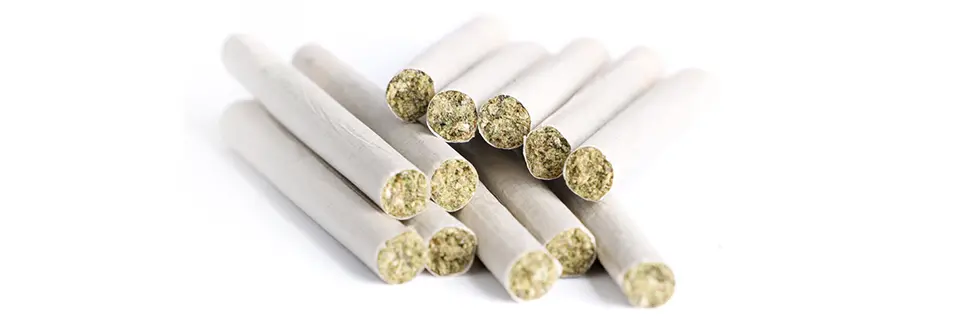
Florida has one of the largest medical cannabis markets in the country, and pre-rolls continue to be one of its fastest-growing product categories. For licensed MMTCs, producing consistent, compliant products isn’t just about efficiency, it’s also about meeting strict regulatory standards while delivering the same experience every time a consumer opens a package.
If you’re interested in how licensed operators manufacture pre-rolls at scale, you can learn more about the RollPros Blackbird. It’s an automated pre-roll production system used by regulated cannabis producers throughout North America.
Frequently Asked Questions
No, recreational marijuana is still illegal in Florida. Only qualified medical marijuana patients may legally purchase and possess cannabis.
Yes, if you’re a registered medical marijuana patient and you’re smoking in a location permitted under Florida law. Recreational smoking remains illegal.
No, Amendment 3 received majority support in 2024, but failed because Florida requires constitutional amendments to receive at least 60% of the vote.
Some forms are. Marijuana-derived THC is legal only through Florida’s medical marijuana program, while certain hemp-derived cannabinoids remain available under current state and federal regulations.
Yes, although regulations surrounding hemp-derived cannabinoids continue to evolve and could change in the future.
Qualified medical marijuana patients must stay within Florida’s purchase and possession limits. Anyone without legal authorization can face criminal penalties for possessing marijuana, including amounts of 20 grams or less.
No, Jacksonville follows Florida state law and does not currently have a countywide decriminalization ordinance.
No, Florida doesn’t allow recreational marijuana sales, and out-of-state medical marijuana cards generally aren’t accepted.
Yes, Florida enforces impairment-based DUI laws, and medical marijuana patients can still be arrested if they’re impaired while driving.
You’ll need to visit a qualified physician, receive a recommendation, register with the Medical Marijuana Use Registry (MMUR), pay the state fee, and receive approval through the Office of Medical Marijuana Use (OMMU).
No, It received 55.9% voter approval but failed because Florida requires a 60% supermajority for constitutional amendments.
Legal disclaimer
This article is intended for informational purposes only and should not be considered legal advice. Cannabis laws can change, and individual circumstances vary. Before making legal decisions, verify current information with the Florida Department of Health, the Office of Medical Marijuana Use (OMMU), or a qualified Florida attorney.
If you’re interested in learning more about how regulated pre-rolls are manufactured, we’ve put together additional educational resources covering the production side of the cannabis industry.
Sources
Florida Statues & Possession Laws
Medical Marijuana
Amendment 3 / 2024 Legalization Vote
2026 Ballot Effort
- Florida Department of State: Adult Personal Use of Marijuana, Initiative 25-01
- Full text of proposed Amendment 25-01
Federal Cannabis Changes