How to Clean a Weed Grinder: Step-by-Step Guide for Every Grinder Type
A grinder usually gives you plenty of warning before it quits on you.
Maybe it feels a little harder to twist than it used to. Maybe your flower starts coming out chunky instead of light and fluffy. Or maybe you finally have to use both hands just to get the lid off.
All of that is just resin buildup. Every weed grinder, whether it’s a premium aluminum model or an inexpensive plastic one, collects sticky resin, bits of flower, and loose trichomes over time. Left alone, that buildup affects everything from how evenly your flower grinds to how much kief actually makes it into the catcher.
The good news? Learning how to clean a marijuana grinder rea. lly doesn’t take much time, and odds are that you most likely already have most of what you need sitting at home.
This article will walk you through how to clean a cannabis grinder, the best products, and which cleaning methods you should avoid depending on what your grinder is made from.
Why Cleaning Your Grinder Matters
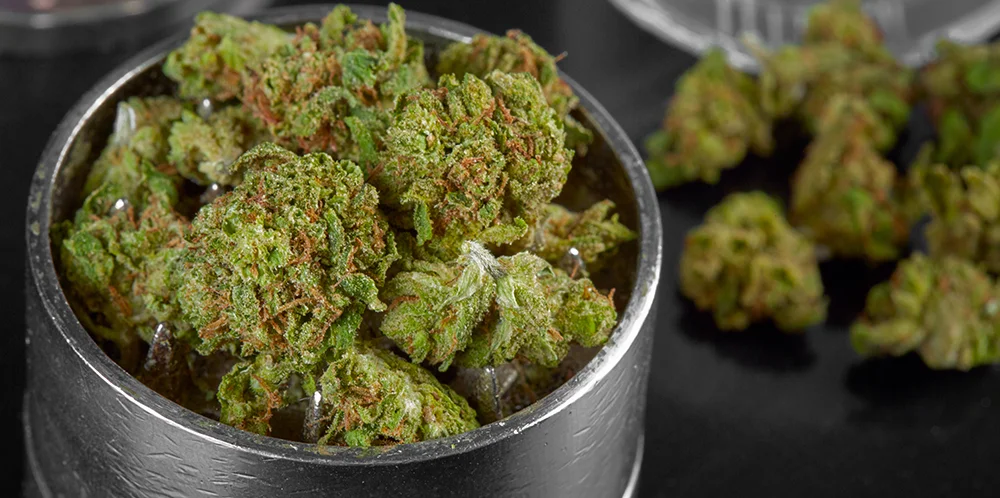
Most people wait until their grinder gets gunky and stuck before they ever think about cleaning it. At that point, the resin has typically packed itself between the grinder teeth, coated the threads, and clogged the kief screen. The grinder still works, just not very well.
A dirty grinder can lead to:
- Hard twisting or stuck threads.
- Clumpy, uneven flower.
- Less airflow through joints or bowls.
- Kief getting trapped in the screen instead of the catcher.
- Old resin affecting the flavor of fresh flower.
- Moisture buildup that can eventually encourage mold or bacteria.
None of this happens overnight. It’s just the result of grinding flower over and over without removing what gets left behind.
The nice part is that regular maintenance doesn’t take much effort. Taking a few minutes to clean your grinder every couple of uses is a whole lot easier than trying to scrape months of hardened resin out of it later on.
How Often Should You Clean Your Grinder?
If you’ve ever wondered, “How often should I clean my grinder?”, the answer depends on how often you use it.
If you’re a daily grinder, brushing out leftover material after each use is crucial. It only takes a few seconds and prevents resin from building up as quickly. Plan on a deeper cleaning every one to two weeks.
If your grinder is only used a few times per week, a quick brush once a week and a deep clean once a month is typically all you need.
Schedules like that don’t need to be followed for occasional users. Just keep track of when it starts to feel sticky, doesn’t grind evenly, or becomes harder to open. That’s when you’ll know that it’s time for a clean.
Something to keep in mind is that some flower creates more buildup than others. Sticky, high-terpene strains leave behind noticeably more resin than dry flower, so expect to clean your grinder more often if that’s what you typically buy.
What You’ll Need: Tools & Supplies Checklist
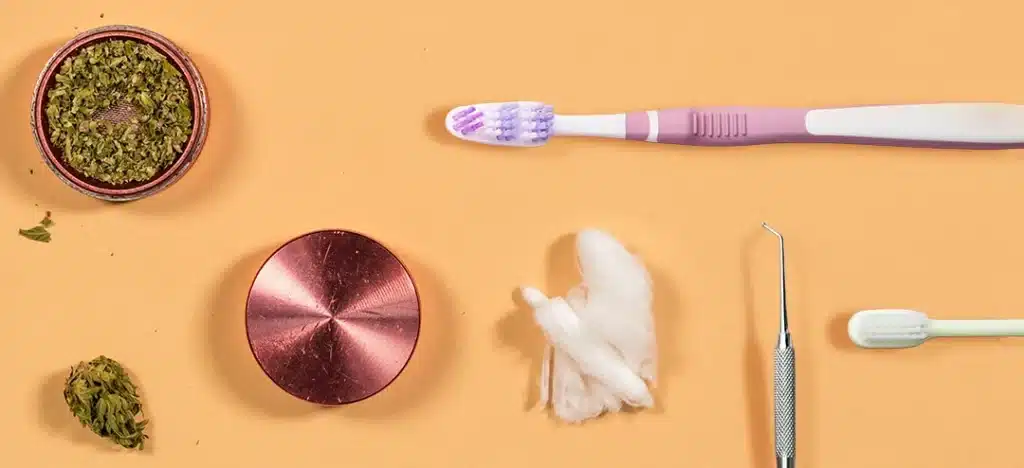
You don’t need a special cleaning kit as most of the supplies are most likely already in your house.
For metal grinders, you’ll want:
- 91% or 99% isopropyl alcohol
- A soft toothbrush
- Cotton swabs
- A toothpick or dab tool
- A glass jar or resealable Ziploc bag
- A clean towel
- A small tray or plate
- An airtight container for collecting kief
If your grinder is plastic or acrylic, using warm water and some dish soap rather than alcohol will work better. A freezer isn’t required, but it comes in handy if the grinder is especially sticky.
How to Clean a Metal Grinder Step-by-Step
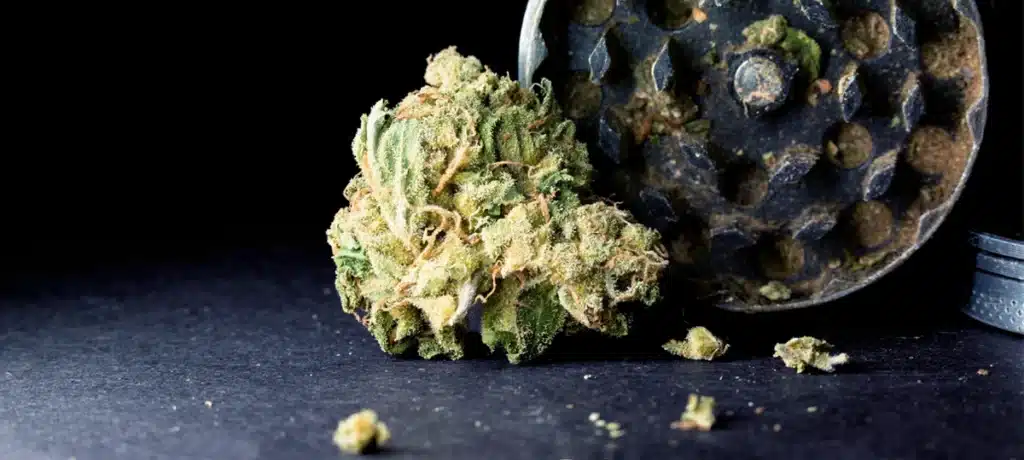
Wondering how to clean a metal grinder or how to clean a metal weed grinder? We’ll walk you through it right now. This method works for aluminum, stainless steel, and titanium grinders.
Disassemble the Grinder and Save Your Kief
The grinder should be completely taken apart before anything else is done. Then, separate the lid, grinding chamber, screen, and kief catcher before holding everything over a tray or sheet of parchment paper.
Before cleaning, using the tray or parchment paper as a catcher for the kief that’s already there. A tiny paintbrush or soft toothbrush can be used for sweeping it into an airtight container. No reason to waste it all and wash away everything you’ve already collected.
If the screen looks clogged, brush it gently. Avoid using anything sharp that could damage the mesh.
Freeze the Grinder (Optional)
This step isn’t required, but it might be worth doing if your grinder hasn’t been cleaned in a while.
Place the metal pieces in the freezer for about 20-30 minutes. Getting the resin cold will help to harden it, making it brittle and easy to get out rather than being too gummy. You’ll usually be able to knock a good amount of buildup loose with just a brush or a few gentle taps once it’s removed from the freezer. This also helps the alcohol work a little faster during the next step.
Soak the Metal Pieces in Isopropyl Alcohol
Place the metal grinder pieces into a glass jar or resealable bag and cover them with 91% or 99% isopropyl alcohol.
Let them soak for 20 to 30 minutes. If there’s a heavy buildup of resin, soaking it up an hour or so is perfectly acceptable. Give the container a gentle swirl every few minutes. You’ll begin to notice the alcohol changing color as it dissolves the resin.
Only soak metal components. Alcohol can damage acrylic and certain plastics, so don’t throw every grinder into the same container.
How to Deep Clean a Grinder
If there is still some resin buildup after soaking, don’t use a knife or screwdriver to start scraping at it. Instead, grab a soft toothbrush or paintbrush to work through the pieces one at a time.
Spend the most time cleaning:
- The grinder teeth
- The inside of the grinding chamber
- The threads
- Around the kief screen
- The kief catcher
Tight corners can be reached well with cotton swabs, and a toothpick or dab tool can help to lift the stubborn bits of resin without scratching the grinder.
Still not coming clean? Give it another soak. A second round in the alcohol is much safer than forcing hardened resin off with something metal.
Scrub, Rinse, and Dry Completely
Once the resin is gone and everything looks clean, rinse the pieces under warm water to remove any remaining alcohol. Each piece should then be dried with a clean towel. You should also let everything air dry completely before putting it back together.
Do NOT rush this step.
Even the tiniest bit of moisture left inside the grinder can lead to corrosion on certain metals over time, and damp flower can create the perfect environment for mold.
Just wait until every piece is 100% dry before using it again.
How to Clean Each Grinder Component
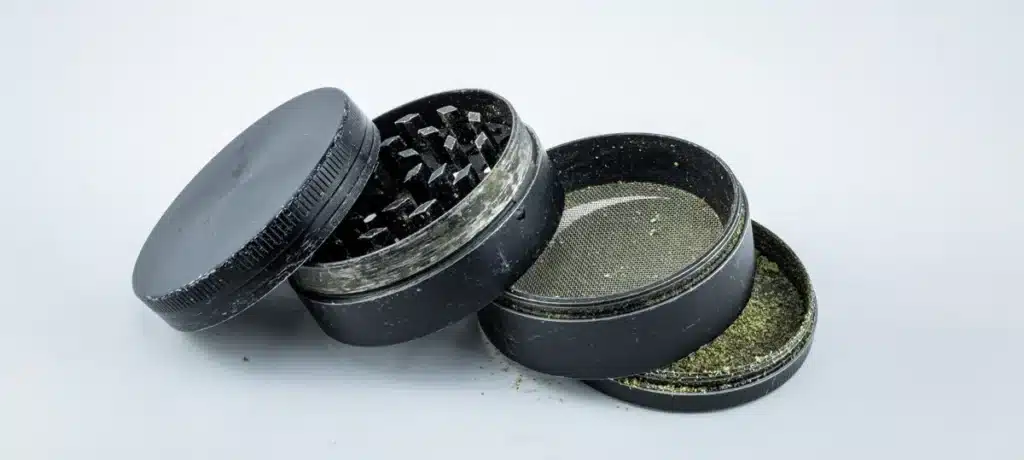
Different parts of your grinder collect buildup in different ways, so it helps to know where to focus your attention.
Grinder Teeth
The teeth take the most abuse. This is where resin builds up first, making it tough to get a light, even grind.
A soft toothbrush is great for cleaning between every tooth. If there’s still some resin hanging around after brushing, another short alcohol soak should do the trick. That’s way better than scraping at it with something sharp.
Grinding Chamber
The grinding chamber is usually the easiest part to clean.
Once the resin softens, a quick scrub removes most of the leftover flower. Check the corners before rinsing since that’s where small bits of plant material tend to collect.
Threads
Threads are most often to blame when a grinder feels stuck.
A cotton swab that’s been dipped in isopropyl alcohol should be used to clean around each thread until the grinder spins freely again. It seems like a tiny detail, but it truly makes the biggest difference.
Kief Screen
The screen is the most delicate part of the grinder.
A soft brush is all you need, but if that doesn’t do the trick, then soak the screen with the rest of the metal pieces before brushing it gently again.
Is your screen collecting more kief than it’s letting through? You can fix that by dropping a clean coin into the kief chamber and giving the grinder a few gentle shakes. The coin will help to loosen the trapped kief without damaging the mesh itself.
However, if the screen isn’t removable, don’t force it.
Grinder Material Matters: Aluminum vs. Plastic, Wood, and Steel
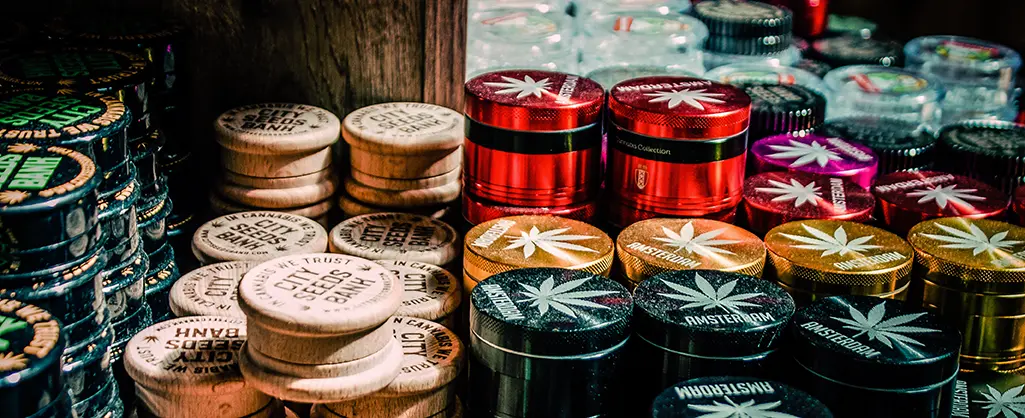
Make sure you know what your grinder is made from before you ever think about cleaning it. Using the wrong cleaning method will do more harm than good.
| Material | Best Cleaning Method | Avoid |
| Aluminum | 91%+ isopropyl alcohol soak for 20 to 30 minutes. Freeze first for heavy buildup. | Dishwasher, steel wool, long repeated alcohol soaks that can dull the finish. |
| Stainless Steel / Titanium | Isopropyl alcohol, boiling water (5 to 10 minutes), or an ultrasonic cleaner. | Abrasive tools that scratch the surface. |
| Zinc Alloy | Alcohol soak followed by immediate drying. | Leaving it wet after cleaning. |
| Plastic / Acrylic | Warm water, dish soap, and a soft toothbrush. | Isopropyl alcohol or boiling water, which can crack or warp the material. |
| Wood | Dry brush, lightly damp cloth, optional food-grade mineral oil. | Water soaks, alcohol, or boiling. |
If you’re unsure of what your grinder is made of, just skip the alcohol. It’s better to be safe than sorry when it comes to grinder material.
How to Clean a Grinder Without Alcohol
No rubbing alcohol? You still have a few options.
Warm water and dish soap is honestly all you need for plastic and acrylic grinders. Let the pieces soak for a few minutes and then scrub them with a soft brush before rinsing and leaving them out to dry.
For non-anodized metal grinders, a soak in white vinegar and coarse salt can help loosen resin before brushing.
The freezer method is always a reliable one for any material. Just chill the grinder for about 30 minutes, knock out the hardened resin, and repeat if needed. It may not be quite as thorough as alcohol, but it’s still a great option for routine maintenance.
You may have seen people boil grinders in milk to make “canna-milk.” While it gets talked about online, it’s not something we’d recommend. Along with cannabinoids, you’re also extracting old resin, dirt, and whatever else has built up inside the grinder.
How to Clean a Metal Grinder With Boiling Water
If you’re looking for how to clean metal grinder with boiling water, keep it simple.
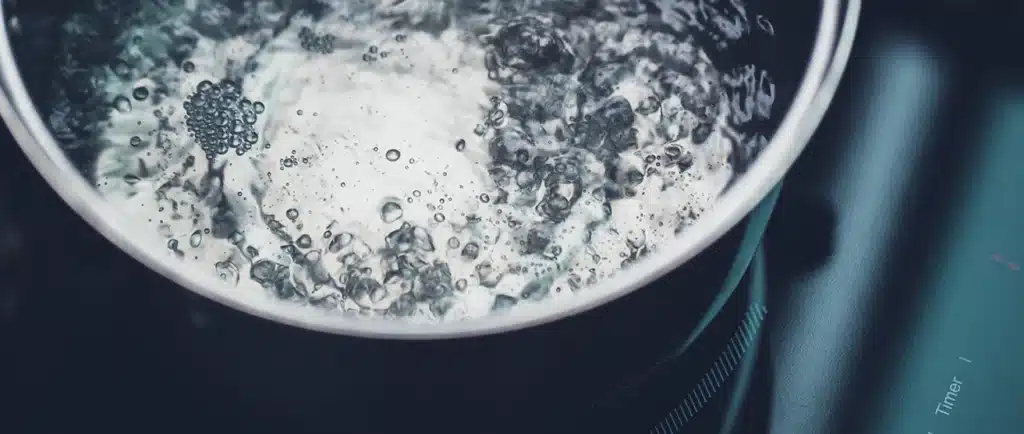
Bring a pot of water to a boil and carefully place the metal grinder pieces into the water for five to ten minutes. Once they’re cool enough to handle, scrub away the softened resin with a toothbrush, rinse, and dry completely.
Never boil plastic, acrylic, or wooden grinders. High heat will warp or crack those materials.
Troubleshooting: How to Clean a Sticky Grinder
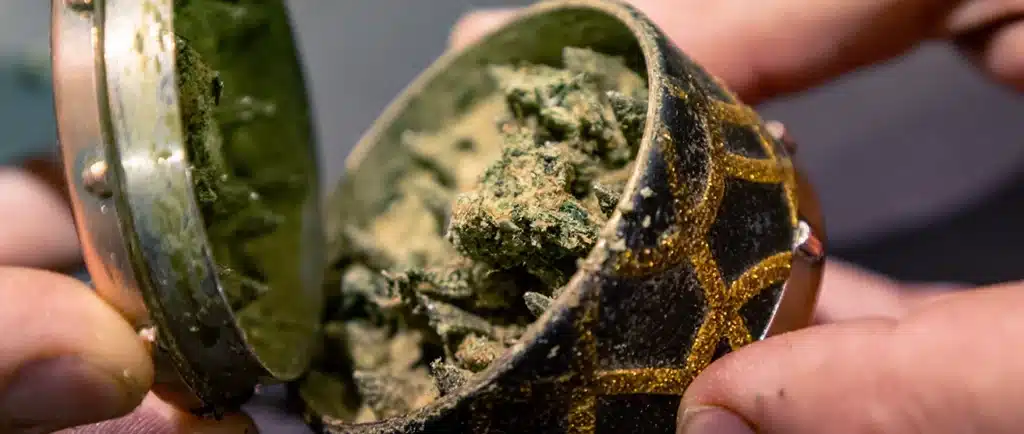
If your grinder won’t budge, pliers aren’t going to fix it for you. Most sticky grinders are simply dealing with resin buildup around the threads.
Try these fixes first:
- Use a rubber band or rubber jar opener for better grip.
- Freeze the grinder for 20 to 30 minutes to harden the resin.
- Warm only the outer section with warm water or a hair dryer for a few seconds to help loosen the threads.
- Use a strap wrench as a last resort.
Try your best not to force it open with any sort of metal tool. Damaging it is so much easier to do than people realize.
How to Prevent Buildup Between Cleans
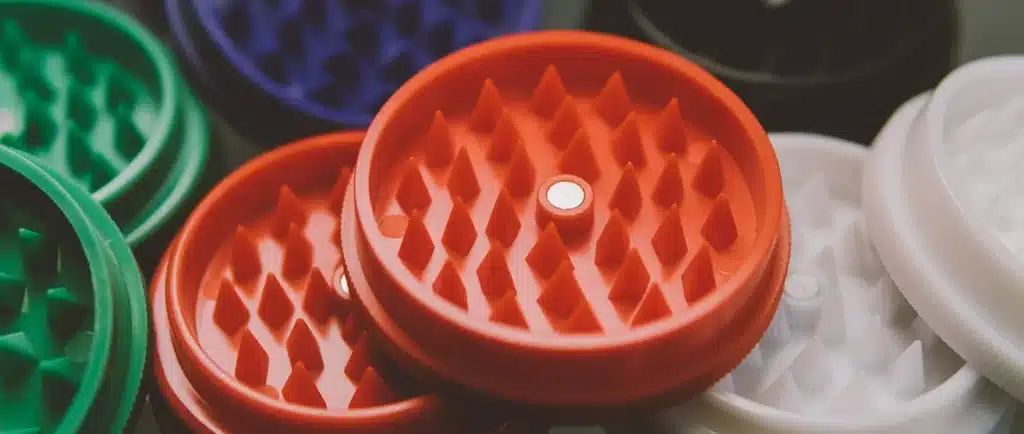
Cleaning your grinder regularly helps, but a few good habits will make those deep cleans much easier.
- Grind properly cured flower instead of damp flower.
- Don’t overfill the grinding chamber.
- Brush out loose flower every few uses.
- Store your grinder somewhere cool and dry.
- If the threads start feeling rough, a tiny amount of food-grade mineral oil can help them turn more smoothly.
Our guide on how to use a weed grinder is a wonderful tool for people who are new to grinders. It also covers a few simple tricks that help to reduce buildup.
Safety Notes
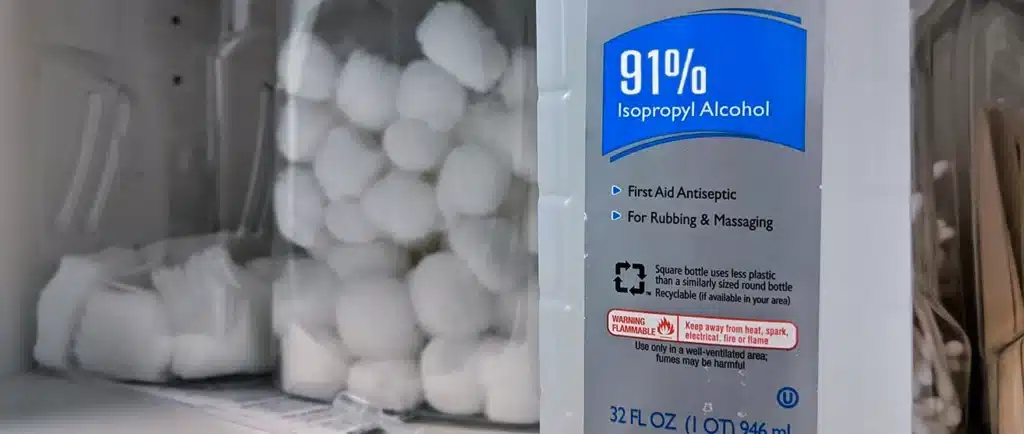
Always use isopropyl alcohol in a well-ventilated area and keep it away from open flames as it is highly flammable.
If you have sensitive skin, wearing gloves is always a good choice. Don’t ever mix cleaning chemicals together, and make sure each part of the grinder is completely dry before grinding fresh flower to prevent mold from building up.
Frequently Asked Questions
Daily users should brush out loose flower after each grind and deep clean every one to two weeks. If you grind a few times a week, once a month is usually enough. Occasional users can simply clean their grinder whenever it starts feeling resistant.
Water alone won’t dissolve sticky resin very well. Warm water and dish soap work for plastic and acrylic grinders, while metal grinders are much easier to clean with isopropyl alcohol.
Warm soapy water is a plastic grinder’s best friend, while metal ones can be cleaned with white vinegar, coarse salt, boiling water, or even the freezer method.
Not if you collect it first. Brush the kief into an airtight container before using any liquids.
You can boil stainless steel, titanium, and suitable aluminum grinders for 5–10 minutes. Never boil plastic, acrylic, or wood, and check the manufacturer’s instructions if you’re unsure of the material.
Resin, kief, and moisture usually build up in the threads over time. Cleaning the threads or freezing the grinder often solves the problem.
Yes. Moist plant material that’s left inside of a grinder can grow mold or bacteria over time, especially if it wasn’t given enough time to completely dry after cleaning.
Most households already have the necessary supplies: isopropyl alcohol, dish soap, white vinegar, coarse salt, an old toothbrush, cotton swabs, toothpicks, and either a glass jar or a resealable plastic bag.
Conclusion
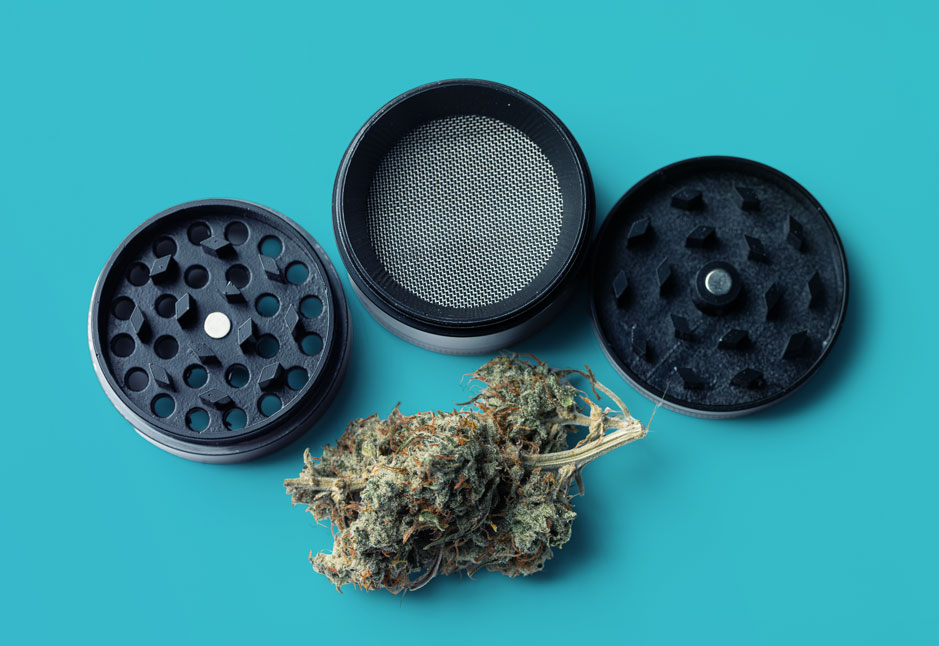
Knowing how to clean a weed grinder is mostly about using the right cleaning method for the material you have. Metal grinders are the sturdiest and can handle alcohol or even boiling water, while plastic, acrylic, and wood need a much gentler approach.
You can help to prevent resin buildup with a quick brush every few uses and a deep clean a little less frequently than that. That will help to keep your grinder turning smoothly, protect your kief, and give you a more consistent grind.
If you’re curious why grind consistency matters beyond your personal grinder, check out our guide on how cannabis pre-rolls are made to see how commercial producers create an even grind before a pre-roll is ever rolled.