Designing a Compliant Pre Roll Production Workflow
Even though pre-rolls are commonly seen as one of the simplest cannabis products, pre-roll production is often considered one of the most operationally demanding processes in a licensed facility. When a company is producing thousands of units at a time, consistency and control over inputs, equipment, and procedures is crucial. Even the slightest variation in grind size, moisture, or fill weight can quickly compound into compliance risks and product recalls. For any operator aiming to scale responsibly, this cannabis production workflow is essential.
This guide will walk through how to design a pre roll production workflow that not only meets compliance requirements, but also improves throughput and consistency at the same time. It outlines the critical stages of preroll production, starting from material preparation, all the way to packaging. It also highlights how pre-roll production equipment and automation contribute to reliable output. Manufacturers can reduce variability, improve efficiency, and maintain product quality at scale by aligning process design with regulatory expectations.
Why Workflow Design Matters in Cannabis Pre Roll Production
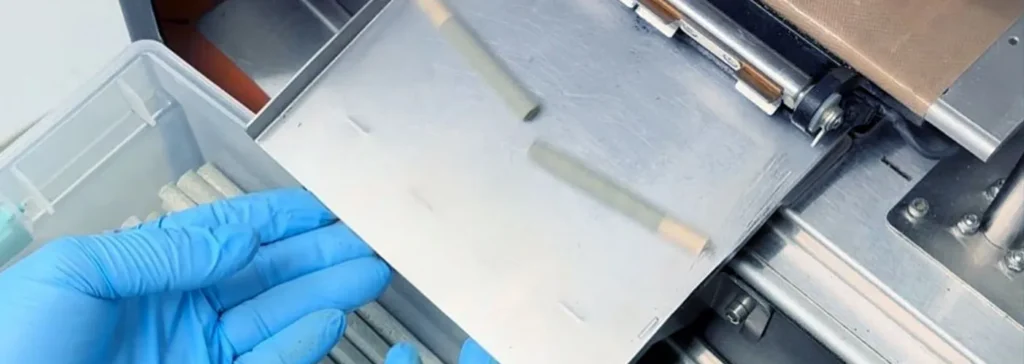
Unlike traditional flower packaging, cannabis preroll production requires quite a bit more structure and planning. Opposite from bulk flower, pre-rolls must meet strict weight, appearance, burn quality, and labeling specifications. These factors each depend on a coordinated cannabis production workflow where each stage is fed accurately into the next.
Compliance requirements play a central role in shaping preroll production. State regulations often mandate:
- Precise weight tolerances, often within ±5% of labeled weight
- Full batch traceability from raw material to final package
- Documented quality control checks at multiple stages
These requirements can become difficult to meet consistently without a defined workflow. Uneven fills, rejected batches, and increased labor costs are factors caused by inefficient preroll production. In some facilities, profitability is being directly impacted by manual processes that are resulting in variability rates exceeding 10%.
Cannabis preroll production introduces a level of complexity which in turn can lead to more points of failure compared to standard flower packaging. Controlled inputs and repeatable processes are necessary for grinding, filling, and sealing flower. A structured cannabis workflow reduces these risks by standardizing procedures and improving process visibility.
Facilities that invest in workflow design often report measurable improvements, including:
- 20–40% reduction in material waste
- Improved batch consistency across production runs
- Faster compliance reporting and audit readiness
A well-designed workflow is a foundational element of success preroll production because it will support both operations efficiency and regulatory alignment.
Key Stages in a Compliant Pre Roll Processing Workflow
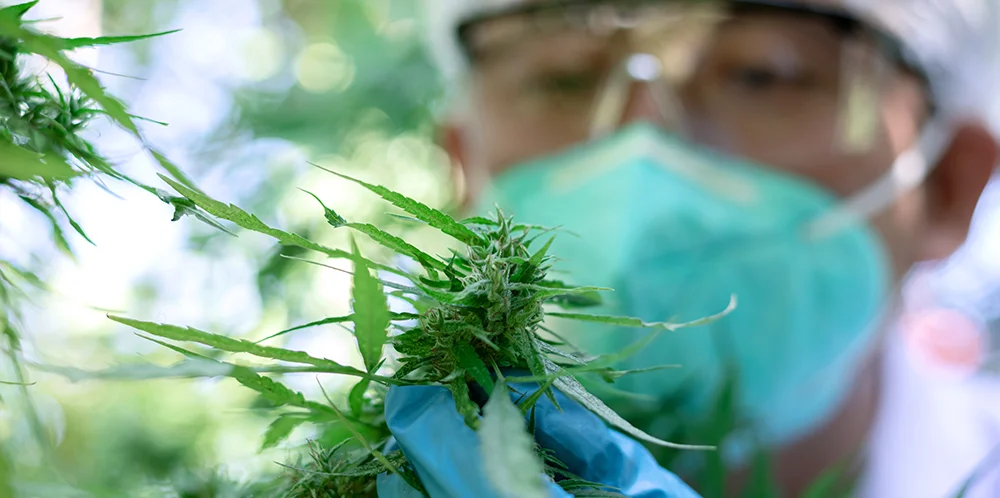
Specific inputs, controls, and outputs are essential stages for building a compliant pre roll processing workflow. They must operate in a sequence while maintaining traceability and consistency across batches.
The typical compliant cannabis pre roll manufacturing process includes:
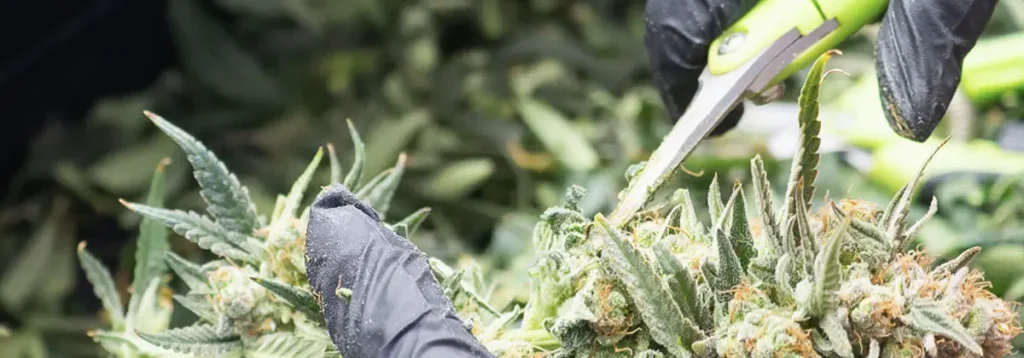
Cannabis flower preparation and grinding
Whole raw flower is milled to a specific, yet consistent, particle size. Uniform grind is crucial as variations can affect burn rate and fill density.Moisture and material consistency control
Moisture content between 10% to 14% is typically ideal as material outside of this range can cause issues. Controlling the environment and pre-conditioning processes help to stabilize inputs.Pre roll filling process
The ground material is dispensed into rolls using manual or automated systems. Consistency in fill weight is important, with high-performing systems achieving variance below 2%.Weight verification and quality inspection
Weight checks and visual inspections happen for every single unit or batch. Automated weighing systems can process thousands of units per hour while maintaining accuracy that manual systems might not.Packaging and labeling compliance
Finished pre-rolls are put in child-resistant packaging with accurate labeling in order to maintain regulatory standards. All batch information must remain traceable throughout this stage.
Each stage of the workflow must align with compliance and documentation requirements. Poor workflow designs can create bottlenecks and slow the entire line. Structured workflows ensure that material flows efficiently through each stage while maintaining consistent quality in cannabis preroll production.
Choosing the Right Pre Roll Production Equipment

Pre-roll production equipment plays a crucial role in achieving dependable output at scale. As production volumes increase, manual methods become inefficient and introduce variability that can impact compliance and quality.
Common types of pre roll production equipment include:
Pre roll filling machine systems
These systems automate the process and improve speed and consistency. Some machines can produce several thousand units per hour with minimal variance.Cone loading and preparation systems
These systems organize and position rolls for filling. Material loss is reduced with proper alignment along with improved workflow efficiency.Quality inspection tools and weighing systems
Scales and inspection systems verify weight and detect batch defects. Automated solutions improve accuracy and help reduce the need for manual checks.
Workflow performance is directly affected by the configuration of pre roll production equipment. For example, a mismatch between grinding capacity and filling speed can create upstream delays. Similarly, inadequate inspection systems defects can lead to compliance issues if undetected.
Scalable pre-roll production equipment allows operators to broaden capacity without redoing the entire workflow. Facilities that invest in modular systems can boost output incrementally while maintaining dependable preroll production.
Upgrading equipment has been shown to reduce labor requirements by up to 50% all while improving product uniformity. Equipment selection is a key factor in operational success long-term.
Automated Pre Roll Production Workflow
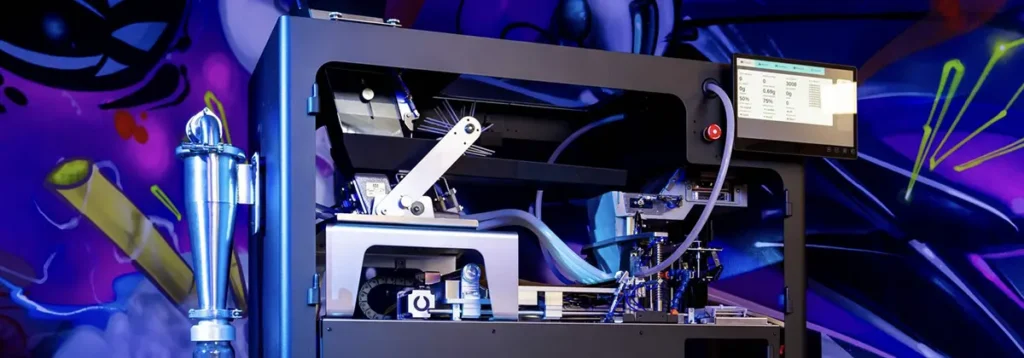
Automation has quickly become a popular and defining feature of modern preroll production. An automated pre roll machine can integrate multiple stages of a workflow into one singular system, which in turn reduces manual intervention and improves product dependability.
Automated pre roll production workflows include:
- Automated grinding and material feeding
- Preroll loading and alignment
- Precision filling and compaction
- Integrated weighing and inspection
The nice part about automated systems is that they are designed to operate continuously, unlike manual processes. Some machines are even capable of producing over 3,000 pre rolls per hour. Automation also reduces variability by standardizing inputs and minimizing human error.
Benefits of an automated pre roll production workflow:
- Consistent fill weights across large batches
- Reduced labor dependency and training requirements
- Increased throughput without sacrificing quality
These systems also improve data collection and reporting. Most machines can track production metrics in real time, allowing operators to monitor performance and identity efficiencies.
For large-scale cannabis preroll production, automation is no longer optional. Facilities that are relying solely on manual processes are struggling to meet demand and maintain compliance. Automated systems provide the scalability and dependability required for competitive production.
Maintaining Compliance in Pre Roll Manufacturing
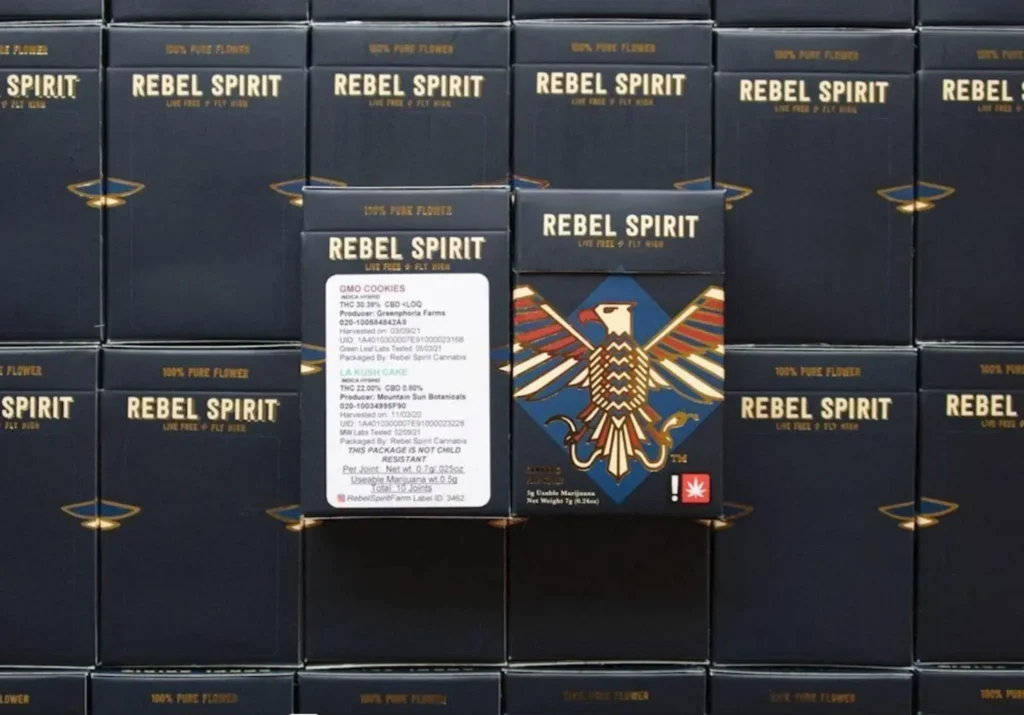
In any cannabis production workflow, compliance is a non-negotiable central requirement. In preroll production specifically, compliance has to be integrated into every single stage of a workflow rather than treated as a separate process.
Key elements of pre roll manufacturing compliance include:
Regulatory requirements for production facilities
Things like sanitation standards, equipment validation, and documented operating procedures.Batch tracking and traceability
Each unit has to be traceable back to its source material. This is where detailed record-keeping and system integration is required.Product labeling and packaging compliance
Packaging must meet child-resistant standards and the labels need to include accurate information on weight, potency, and batch identification.Quality control and inspection protocols
Regular checks ensure that weight, appearance, and performance specifications are met.
Integrating compliance into a compliant cannabis pre roll manufacturing process reduces the risk of errors and simplifies audits. Automated systems can log each type of data for every batch, creating a digital record that supports regulatory reporting.
Facilities experience fewer disruptions and faster approval processes when they embed compliance into their workflow design. Not only does this approach reduce the likelihood of costly recalls, but it can help from impacting both revenue and brand reputation.
Designing a Scalable Pre Roll Production System
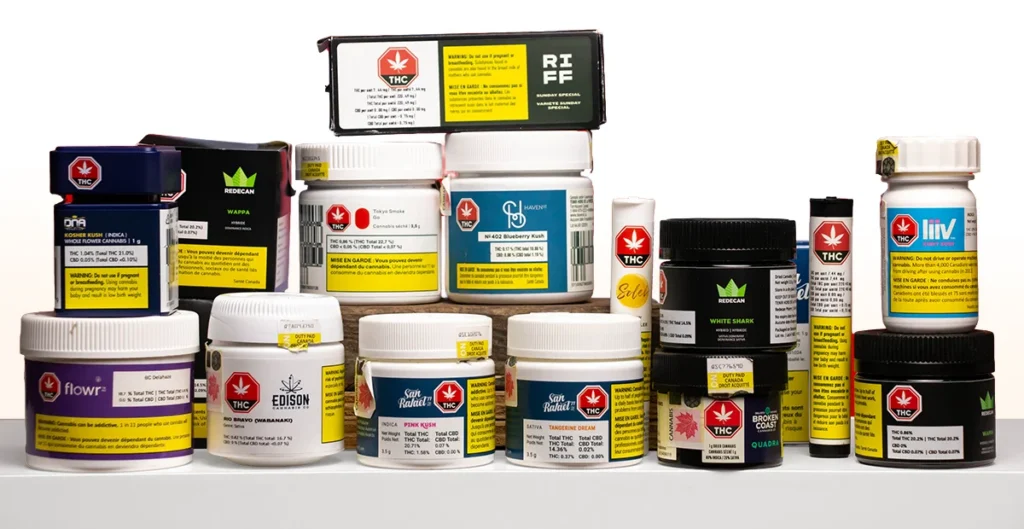
More than just increasing output is needed when scaling preroll production. It requires the design of a cannabis production workflow that can actually handle higher volumes without compromising quality or compliance.
Key considerations when learning how to design a pre roll production workflow:
Integrating automated equipment into production workflows
Automation supports higher throughput while maintaining dependability.Balancing production speed with quality control
Faster production must be matched with effective inspection systems to prevent defects.Optimizing workflow layout for efficient material flow
Logical placement of equipment reduces handling time and minimizes bottlenecks.
Facilities can expand capacity while maintaining operational efficiency when scalable automated pre roll production workflows are in place. For example, as demand increases, modular pre roll production equipment can be added to avoid the need for complete system overhauls.
Workflows that are well designed can also improve long-term cost efficiency. Facilities that optimize equipment layout and integration often see reduced labor costs, material waste, and downtime.
Workflow optimization is a key differentiator in a competitive market. Operators who invest in systems that are scalable, are better positioned to meet demand, maintain compliance, and deliver high quality products.