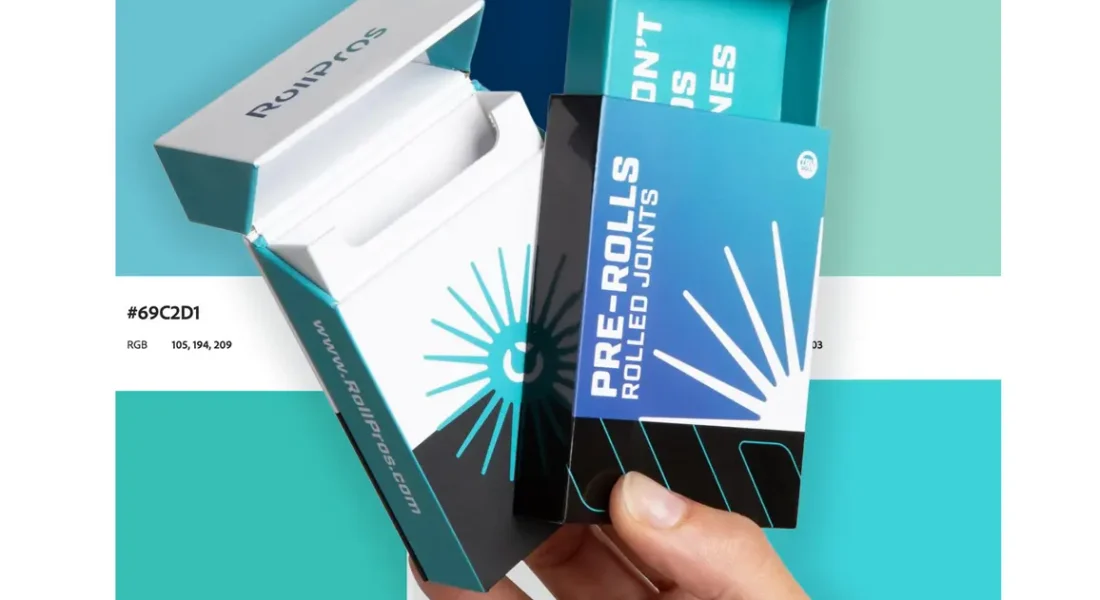
Color Theory for Cannabis Packaging: Designing With Intention, Not Just Aesthetics

In cannabis retail, packaging color does more than decorate a label. It communicates meaning before a customer reads a single word. Color shapes expectations, suggests product experience, and influences perceived quality within seconds. In many cases, it is the first and strongest signal a shopper receives.
Because cannabis products often share similar package shapes and must comply with strict labeling rules, color becomes one of the most flexible and impactful branding tools available. Smart color choices can guide shoppers, organize product lines, and build brand recognition across shelves and screens.
This blog explores how color theory applies specifically to cannabis packaging, how shoppers interpret color signals, and how brands can build color systems that are both attractive and strategic.
The Unique Role of Color in Cannabis Packaging
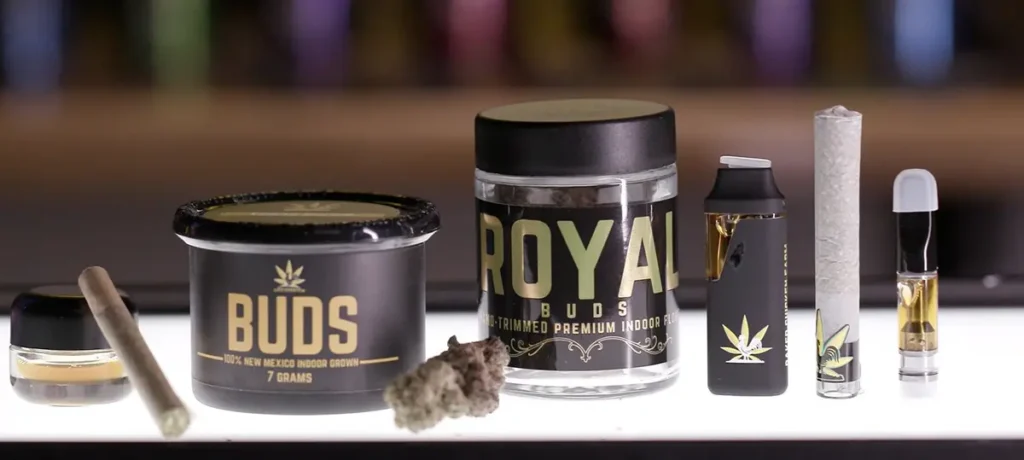
Cannabis packaging operates under tighter constraints than most consumer categories. Claims are limited and label space is crowded with required information. Many formats look alike structurally which means that visual elements carry more weight, and color sits at the top of that list.
Color helps cannabis packaging accomplish several critical goals:
- Catch attention quickly in dense displays
- Distinguish between strains and SKUs
- Suggest expected effects or moods
- Reinforce brand personality
- Signal price tier and quality level
- Improve product navigation
In dispensaries and online menus alike, customers often browse visually first. Color becomes a sorting tool in the mind of the buyer. Brands that treat color as a system rather than a decoration layer tend to build stronger shelf presence and better long term recognition. Real world packaging shows how powerful color becomes when structure is standardized. Apple’s product packaging is a classic example. The box shapes are consistent, but subtle color shifts across devices and product lines help buyers quickly distinguish models and generations.
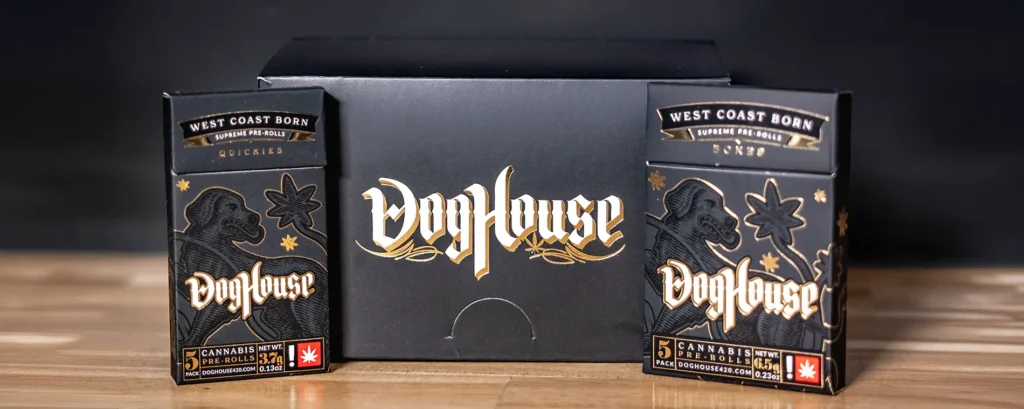
In cannabis, brands that use consistent structures with color-led SKU differentiation achieve similar clarity. For example, Wyld’s gummy packaging uses a tight color system where each flavor and effect is mapped to a distinct color family, making product navigation simple both in-store and online. The same principle applies to any multi-SKU cannabis line that relies on color as the primary differentiator across identical containers.
Color Theory Basics That Matter for Packaging Design
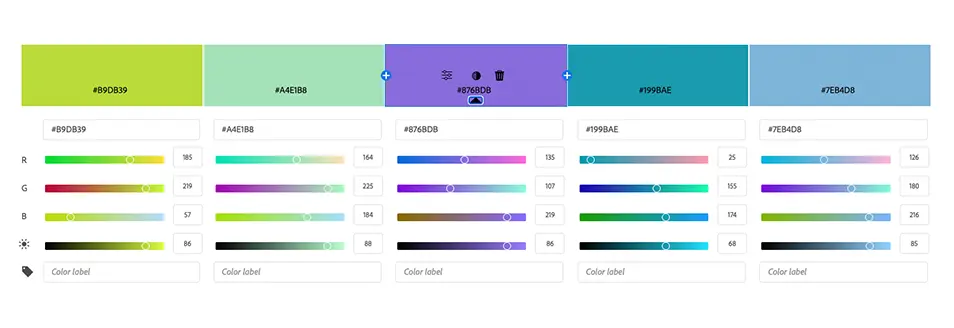
You do not need to be a designer to use color theory effectively, but understanding a few fundamentals makes decisions more intentional.
Hue is the base color family (or a specific color or shade), such as red, blue, or green.
Saturation describes how vivid or muted a color appears. High saturation feels bold and energetic. Lower saturation feels calm and refined.
Lightness refers to how dark or light a color is. Darker tones can feel premium or serious. Lighter tones often feel open and approachable.
Contrast measures how different two colors appear when placed together. Strong contrast improves visibility and readability. Weak contrast can feel subtle but risks legibility.
Color relationships describe how multiple colors work together. Complementary, analogous, and triadic schemes can help build palettes that feel balanced rather than random.
These principles are not just artistic guidelines. They directly affect how quickly a shopper can understand and trust a package. It’s important to think about each of these elements when designing your brand’s packaging.
Psychological Associations of Common Colors
People automatically attach emotional meaning to different colors. These associations are shaped by culture, marketing history, and personal experience. While not universal, certain patterns are reliable enough to guide packaging strategy.
Here are some common interpretations that often apply in cannabis retail.

Green
Often linked to plants, freshness, and nature. Works well for outdoor grown, organic, or wellness oriented brands. Still widely connected to cannabis itself, though overuse can feel generic. Whole Foods’ private label packaging frequently uses green coding to signal natural and better-for-you positioning without needing heavy copy.

Blue
Associated with calmness, safety, and reliability. Common in sleep, relaxation, and medical positioned products. Lighter blues feel clean, darker blues feel professional. Many over-the-counter sleep aids and hydration brands lean heavily on blue to reinforce trust and calm.

Purple
Frequently tied to creativity, indulgence, and rarity. Popular in premium and craft segments. Also connected to certain legacy strain identities.

Red
Signals intensity and urgency. Can suggest strength or high potency. Effective for drawing attention but should be used carefully to avoid harshness. Red Bull is one of the most recognized examples of red-led packaging, using it to signal energy, stimulation, and performance at a glance.

Orange
Feels social, warm, and energetic. Works well for daytime or mood lifting products. Often reads as friendly and accessible.

Yellow
Suggests optimism and alertness. Useful for focus and daytime positioning. Needs careful pairing to maintain readability. Post-it Notes are a well-known example of yellow used to signal visibility and mental activation.

Black
Communicates sophistication and authority. Common in luxury packaging. Provides excellent contrast for lighter typography. Many luxury spirits brands often rely on black dominant labels to elevate perceived value even before the bottle is handled.

White
Represents simplicity and cleanliness. Supports clinical, wellness, and minimalist branding. Should be used sparingly though as it can make a package feel bland without complimentary colors.
These signals should support your product story, not replace it. Alignment between color and experience builds trust over time and keeps customers coming back for more.
Color creates emotional attachment. When customers are choosing between similar products, they’re more likely to pick the one that matches their favorite color, increasing the likelihood of repeat purchases and brand loyalty.
– Lou Angulo
Mapping Color to Product Effects
Because cannabis customers often shop by desired outcome, color can serve as a shorthand guide when words are limited.
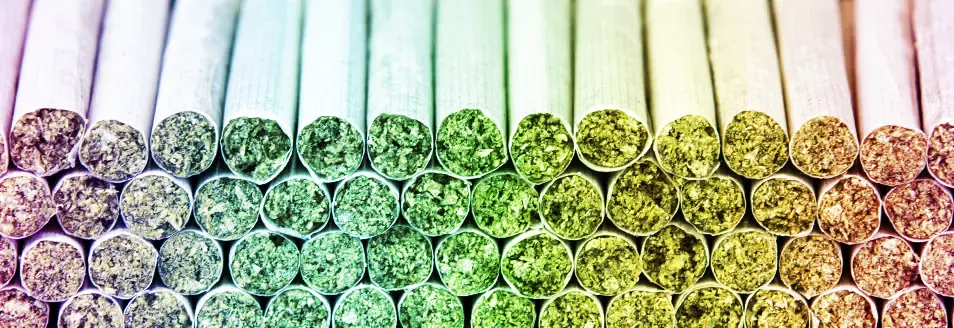
Many brands assign color families to effect categories. For example:
- Soft blues and cool tones for sleep products
- Warm yellows for energy and focus
- Greens for balanced or hybrid lines
- Deep purples for high potency tiers
- Bright oranges for social or uplifting products
This creates fast visual sorting. A returning customer learns the system and can navigate quickly without reading every label.
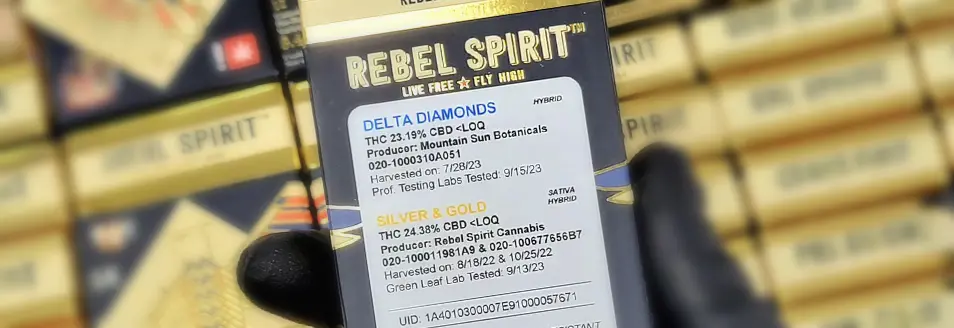
The key is internal consistency. Once a color is tied to an effect, it should remain stable across formats and releases. Changing the system frequently breaks recognition and slows decision making. Some of the clearest cannabis examples come from edible and vape brands that sell by experience rather than strain. Wyld, Camino, and several beverage brands map effect categories like sleep, social, and focus to stable color families across flavors and formats. Even outside cannabis, sports nutrition packaging often uses color effect mapping, with pre-workout formulas in warm, high-energy colors and recovery products in cooler tones. The shared lesson is consistency. When customers learn the color system once, they can shop faster every time after.
Building a Scalable Color Architecture
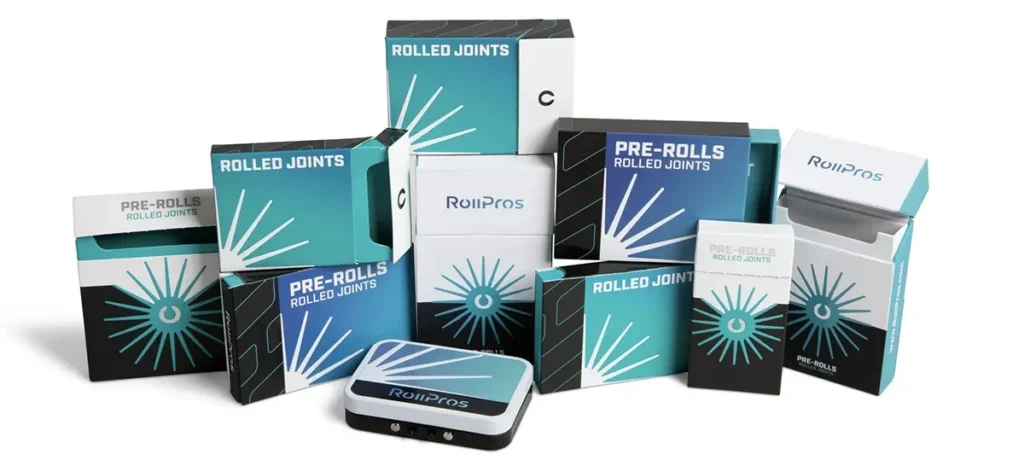
Strong packaging programs use structured color architecture instead of one off color choices. A scalable system usually includes three layers.
Brand foundation colors
These appear across all products and support recognition.
Category or effect colors
These differentiate product types or experiences.
Neutral support tones
These provide balance and keep the palette cohesive.
For instance, a brand might use a consistent charcoal background across all SKUs while rotating accent colors by effect category. Another brand might keep the logo area fixed in one color and vary the container color instead.
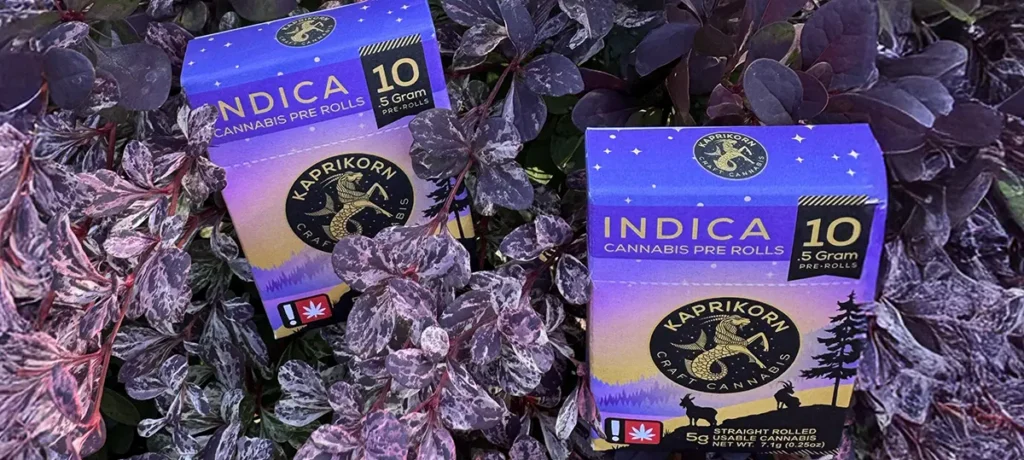
The structure matters more than the exact hues. Consistency is what builds memory.
A strong color scheme should carry through everything a brand touches. When colors are used consistently across packaging, social, ads, and merch, people start recognizing the brand by color first, not necessarily by name.
– Lou Angulo
Standing Out Without Losing Alignment
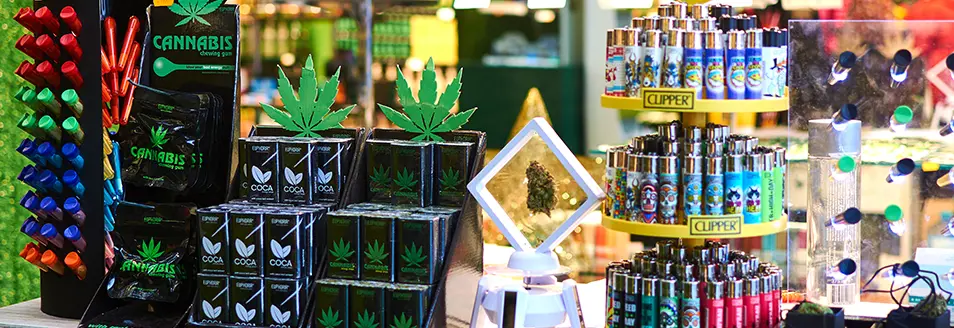
High visibility color can win the first glance, but visibility alone cannot do the whole job. A palette also has to feel true to what the brand is promising: quality level, personality, ingredients, and the overall product experience. When visibility and positioning disagree, shoppers feel the mismatch immediately. The pack might pop, but the message gets weaker.
A neon-forward palette can absolutely stand out, but if you are telling a premium craft story, that same neon can unintentionally cheapen the signal. On the other hand, muted earth tones can communicate authenticity and refinement, but on a crowded shelf they can fade into the background. The goal is intentional contrast: enough clarity to read at a distance, but tuned to the brand’s personality so attention supports the story instead of competing with it.
Practical questions to pressure-test the palette
Use these as a quick filter before committing:
- Does this palette reflect the product experience?
- Does it match the price point?
- Will it appeal to the intended customer base?
- Does it look distinct next to competitors?
- Can it extend across future SKUs?
A simple rule of thumb
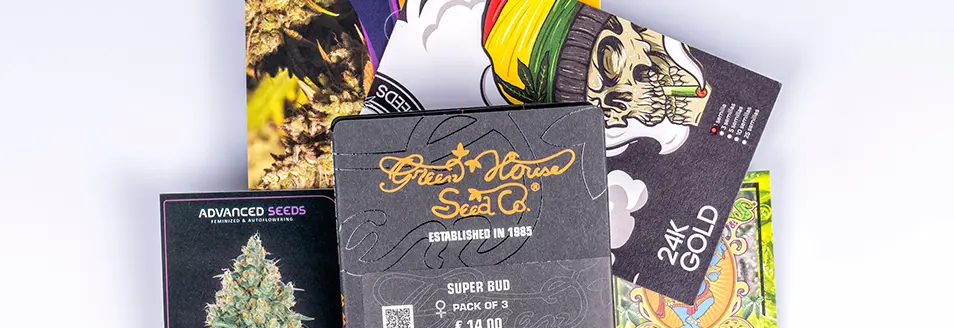
Do not aim to be the loudest pack. Aim to be the easiest to recognize, the easiest to understand, and the most credible version of your promise. Attention should strengthen the brand story, not fight it.
More information doesn’t always create more impact. On a crowded shelf, a simple wordmark contrasted with a solid color can cut through the noise better than layers of text and graphics competing for attention.
– Lou Angulo

How Color Signals Price Tier
Shoppers often infer the price category from visual cues before checking the number.
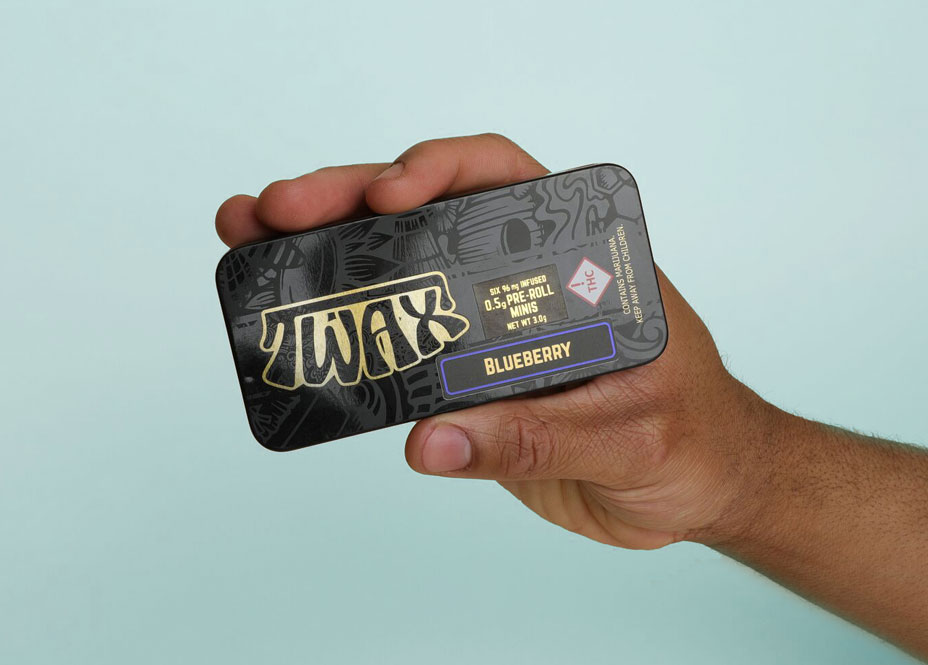
Higher priced cannabis products often lean toward:
- Darker palettes
- Controlled color usage
- Deep saturation
- Metallic or specialty inks
- Minimal color variety
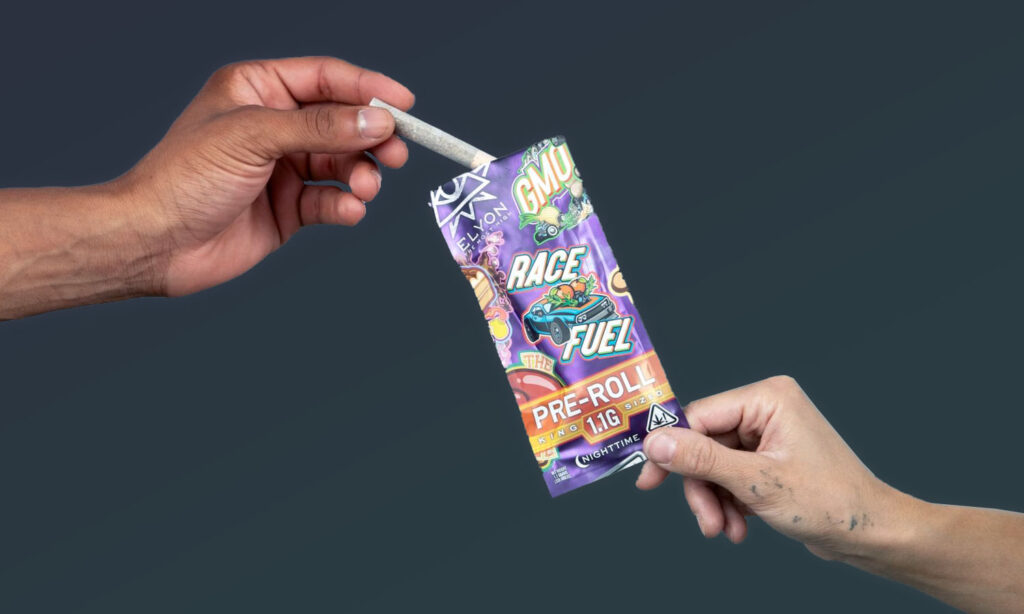
Value oriented products often feature:
- Brighter color mixes
- Multiple bold hues
- Large color blocks
- Higher visual energy
These are patterns, not rules. A value brand can use dark tones successfully, but it must ensure the rest of the design supports that message. Mixed signals can create hesitation, so it’s best to be upfront and forward with your packaging. Premium chocolate packaging provides a useful comparison. Brands like Lindt Excellence and other high-end bars often use darker palettes, restrained color counts, and deep or rich saturation to signal quality. Value chocolate brands typically use brighter, more varied color mixes. Cannabis packaging follows similar perception patterns, even when shoppers are not consciously aware of it. Controlled palettes tend to read as more expensive, while high-energy mixes tend to read as more accessible.

Compliance and Color Restrictions
Cannabis packaging must also navigate regulatory boundaries that affect color decisions. These rules can limit color freedom because regulators may flag designs that are “attractive to children,” including bright or flashy treatments. Some states also use plain-packaging style limits on how many colors you can use
Some regions limit:
- Youth oriented brightness
- Candy like color schemes
- Visual similarity to snack brands
- Playful high contrast combinations
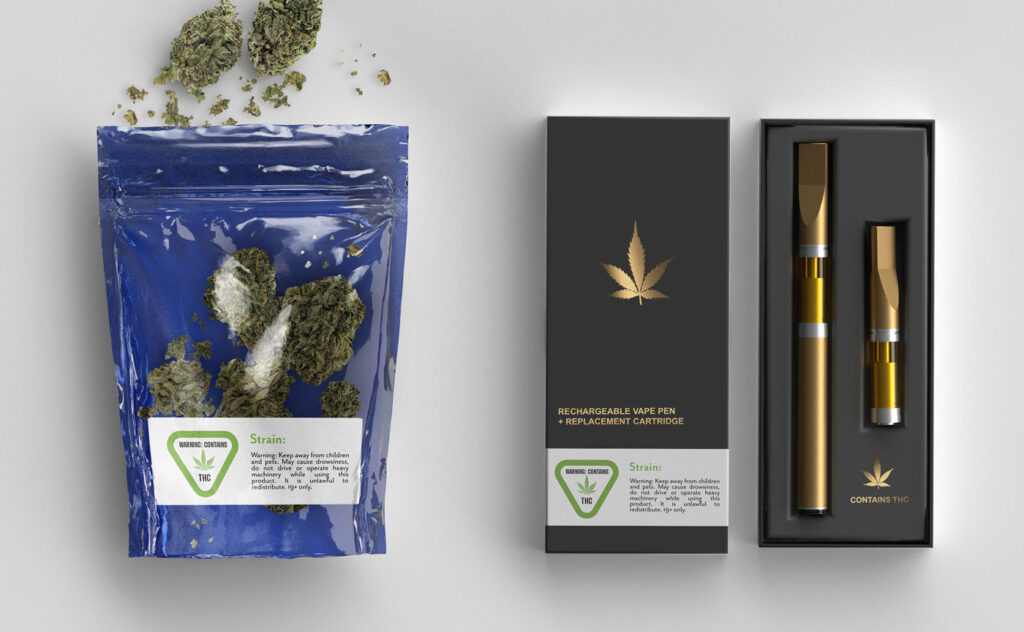
Warning labels and required symbols also introduce fixed color elements that must remain readable. Your palette should accommodate these without clashing. Designing with compliance in mind from the beginning prevents costly redesigns later.
Legibility and Accessibility Considerations
Color choice affects function as much as mood. If required information is hard to read, the packaging fails at its most basic job. Nobody is going to pick up a package that they cannot read clearly, or understand what is being sold to them. Good color decisions start with legibility, making sure the essentials like product type, dosage, and warnings are instantly scannable.
In practice, that means building in strong text to background contrast, avoiding bright-colored text on light backgrounds, and testing readability at the smallest real world size. It also helps to review designs in grayscale to confirm the hierarchy still works without color, and to avoid red and green pairings unless you add additional cues for people with color vision deficiency. Accessibility is not just ethical. It reduces customer friction and improves clarity for everyone, and it tends to make the design feel more confident and intentional.
Don’t ask color to carry the whole system. Icons, typography weight, and layout should reinforce any color coding so that even if the palette shifts across SKUs, the structure still communicates clearly and consistently.

Material and Finish Change Color Perception
The same ink can look noticeably different depending on the surface it’s printed on and the finish applied over it. Material choices should be evaluated alongside palette decisions. Gloss finishes reflect more light, which tends to make colors feel brighter and more vivid, while matte finishes reduce glare and can read softer and more subdued. That shift is not just aesthetic, it impacts visibility, perceived quality, and even how legible fine types feel in real lighting.
Texture and specialty coatings add another layer. Soft touch and textured stocks can make colors feel deeper and more premium, but they can also slightly mute saturation, which matters if your palette relies on subtle tonal differences. Transparent containers complicate things further because the product color becomes part of the design system, shifting how inks and labels read depending on fill level and ambient light. The safest rule is to review physical proofs, not just digital files, and to check them in the lighting conditions where customers will actually shop.
Color as Part of Brand Story
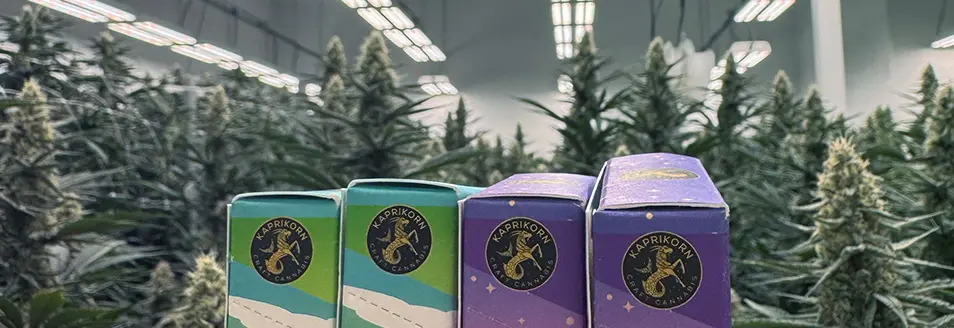
Color can do more than set a mood. It can quietly communicate where and how a product is made, and what kind of care went into it. When the palette is tied to something real, it becomes a shorthand for origin, process, and values, which makes the package feel considered instead of simply “designed.” This is the difference between color as decoration and color as meaning, and it helps customers understand the product faster at shelf.
When those choices are consistent, they also carry across the full brand ecosystem, making it easier to keep photography, social content, and retail displays unified without reinventing the look every time.

Testing Before Full Production
Color decisions should be validated in context before large print runs. There are quite a few useful testing methods that include:
- Placing mockups next to competitors
- Viewing designs under retail lighting
- Checking online menu thumbnails
- Gathering quick consumer perception feedback
- Running limited pilot batches
Context often changes perception. A color that looks bold on screen may look dull behind glass. Testing reduces risk and improves confidence before spending the money on packaging that customers may not ever look at otherwise. Large consumer brands routinely run shelf tests and visual mockups before finalizing packaging color. Beverage companies often place test bottles in simulated retail coolers to study how lighting shifts color perception. Cannabis brands can run similar low-cost tests by placing mockups in dispensary-style shelving or photographing them inside online menu thumbnails.
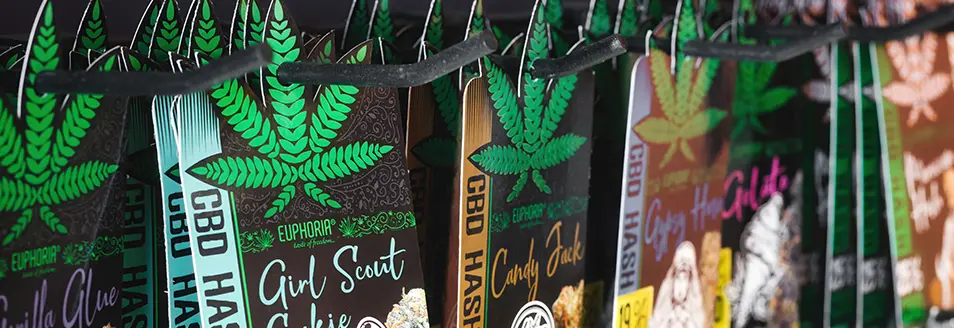
Frequent Color Strategy Mistakes
Several color related issues appear repeatedly in underperforming cannabis packaging.
Using too many unrelated colors weakens brand memory.
Lacking a clear hierarchy makes labels hard to scan.
Following short term trends dates the design quickly.
Assigning colors that contradict product effects confuses buyers.
Ignoring contrast harms readability.
Copying competitor palettes reduces differentiation.
Avoiding these pitfalls often produces bigger gains than chasing novelty.
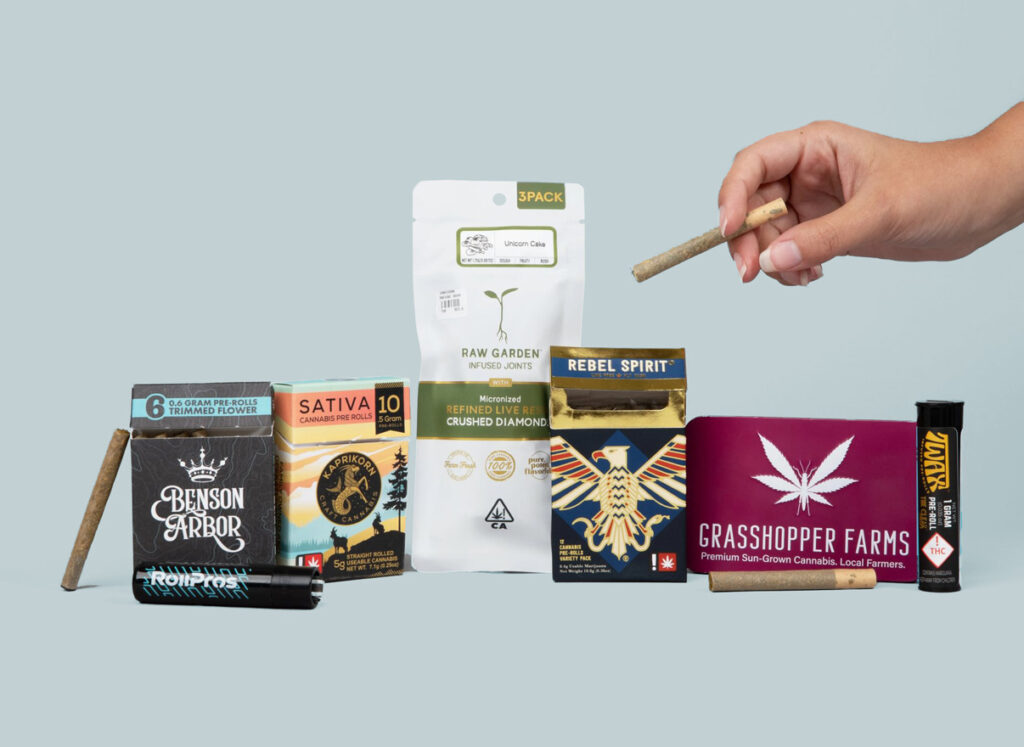
Final Thoughts
Color is one of the fastest communication tools in cannabis packaging. It shapes first impressions in a split second, helps shoppers sort products before they commit to reading, and signals quality and intent long before the finer details land. In a category where choice can feel overwhelming, a smart palette reduces mental load and makes the brand easier to understand at a glance.
Brands that use color intentionally gain real advantages in clarity, recognition, and shelf impact. The strongest systems do not just “look good” on one SKU. They stay consistent across formats, scale cleanly as the line grows, remain readable in real-world lighting, and stay aligned with the product experience so the pack feels honest, not performative.
When color choices are guided by strategy instead of preference, packaging becomes more than attractive. It becomes informative, navigable, and trustworthy, which ultimately makes it easier for customers to choose, return, and recommend.