Child Resistant Cannabis Packaging and What Brands Must Know
How a cannabis brand’s product performs on the market is often determined by the packaging that holds the products themselves. Compliance, customer trust, and how your product shows up on the shelf are all roles played by child resistant cannabis packaging. It’s not just a regulatory requirement, it;s a decision that affects each and every SKU. All the way from the flower jars to pre-roll tubes and edible pouches. Issues including reworks, delays, or failed audits tied to cannabis packaging compliance and what many brands tend to overlook early on with their packaging.
What matters most when choosing CR cannabis packaging is what this guide breaks down. It covers everything from closure mechanisms, testing standards, material choices, and how to source packaging at scale without compromising quality. Not only that, but it also explains how to balance safety with usability so that your cannabis child proof packaging works for both regulators and real customers. You will have a clear framework to evaluate packaging decisions with confidence by the end of this guide.
Why Child Resistant Packaging Is Non-Negotiable for Cannabis Brands
In the United States, Child resistant cannabis packaging is not optional. Products that could post a risk to children are required to be packaged in a way that significantly limits access according to the Poison Prevention Packaging Act. Individual states layer their own requirements on top of federal rules, which creates a more complex landscape for cannabis packaging compliance.
90% of adults should be able to properly open and close a package, while 80% of children under five should not be able to open the packaging within a defined testing window, which is what legally makes them “child resistant”. If a company fails to meet these standards, it can lead to product recalls, financial penalties, and even license suspension. This is not just a regulatory risk, it also impacts the reputation of a brand and their retail relationships.
Balancing safety with usability is the biggest challenge. CR cannabis packaging is intended to prevent access without frustrating the adult consumers or diminishing the experience with the product. This guide will outline how that testing works, which closure systems are most effective, and how to select packaging that aligns with both compliance and brand positioning.
How CR Testing Standards Work: PPPA and 16 CFR §1700.20 Explained
Cannabis packaging compliance is central to understanding testing. The standard referenced across the industry is 16 CFR §1700.20, which defines how child resistant cannabis packaging must be evaluated. A child panel and an adult panel are the two groups used to conduct testing.
- Child panel testing: Within a time frame of 5 to 10 minutes, at least 80% of children must fail to open the packaging.
- Adult panel testing: Within the same defined period, at least 90% of adults need to successfully be able to open and properly reclose the package
Certification doesn’t apply to just one component, but the complete packaging system as a whole. That includes everything from the container, closure, liner, and any outer packaging that’s tested together. Changing even one element can invalidate the certification, which is a common issue when brands mix components from different suppliers.
There is also a critical distinction between “child resistant capable” and “certified child resistant.” Only tested and documented systems meet compliance standards. Brands sourcing child safe cannabis containers must request full test reports and confirm that the data matches their exact production configuration. Some states also require additional certifications depending on the product type, adding another layer of verification.
CR Closure Mechanisms: Push-and-Turn, Squeeze-and-Turn, and Beyond
At the core of child resistant cannabis packaging functions, closure design is there. Each separate mechanism offers a varying level of security, usability, and compatibility with product formats.
Common options include:
- Push and turn cannabis packaging: Requires downward pressure combined with rotation. Common for jars and rigid containers.
- Squeeze-and-turn closures: Requires compressing specific points on the lid before twisting. Often used for bottles and tubes.
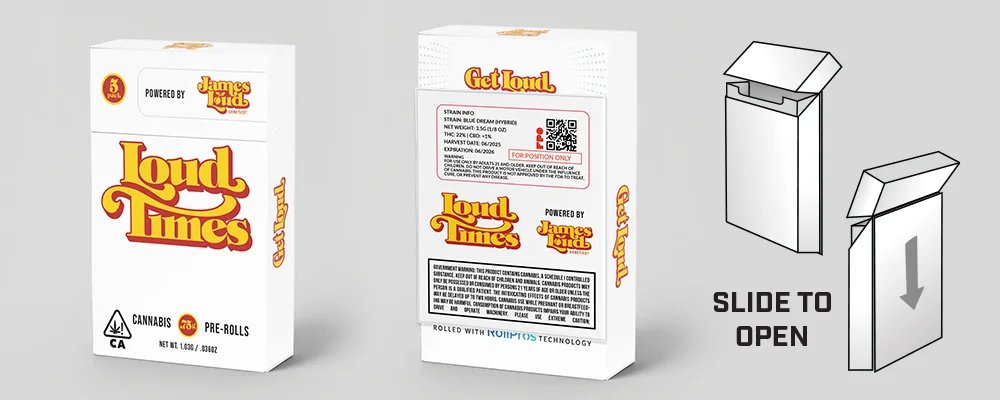
- Tab-release systems: Use locking tabs that must be pressed in sequence. Common in pouches and cartons.
- Multi-action mechanisms: Combine multiple steps, increasing resistance but sometimes adding complexity.
Each mechanism must perform consistently under real production conditions. Long-term performance is affected by torque consistency, material wear, and compatibility with automated filling equipment. Closures that are poorly designed can lead to frustration for consumers and even failure in the field.
As the market evolves, there is a growing shift toward senior-friendly designs as well. These systems allow for reduced force or dexterity required to open them while still maintaining compliance. For many brands, the choice of CR cannabis packaging is now part of the overall product experience, and not just a safety requirement.
Child Resistant Cannabis Jars: Glass vs. Plastic — What Brands Should Know
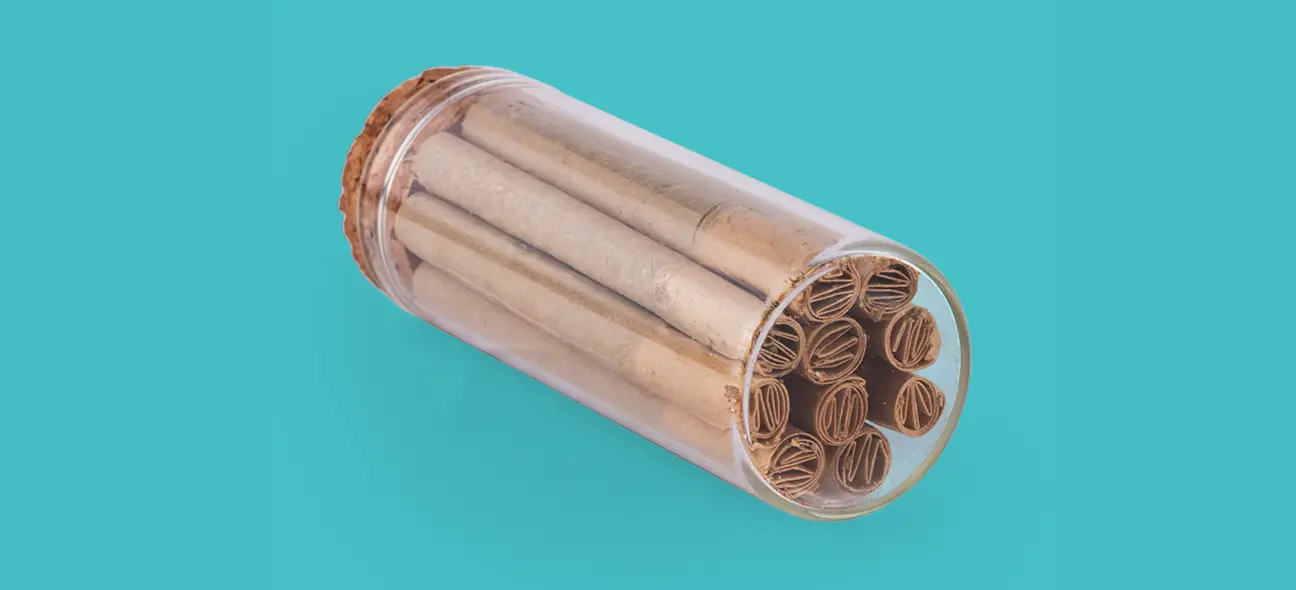
Brands typically choose between glass and plastic when sourcing child resistant cannabis jars wholesale. Trade-offs across costs, performance, and perception come with each material used.
Glass is often used in premium and medical markets. It doesn’t interact with the product, offers strong barrier properties, and provides the higher-end feel. It also protects against oxygen exposure, helping to preserve terpene profiles over time. That being said, glass is heavier, more expensive to ship, and carries a higher breakage risk.
Plastic containers are more operationally efficient. They generally cost less at scale, and they’re lighter and more durable. Automated filling lines are what many are specifically designed for, making them easier to integrate into final production. Plastic child safe cannabis containers often make more sense for brands who are focused on volume.
The key factor is the certified system, and not just the material alone. That jar and closure must both be tested successfully together in order to qualify as cannabis child proof packaging. When evaluating suppliers, brands should request:
- Certification documents tied to the exact configuration
- Minimum order quantities and lead times
- Clear documentation on approved component combinations
Child Resistant Mylar Bags for Cannabis: Compliance Meets Flexible Packaging

Flexible packaging has become a major category in CR cannabis packaging, especially for flower and edibles. Child resistant cannabis mylar bags are widely used due to their lower cost and larger branding surface.
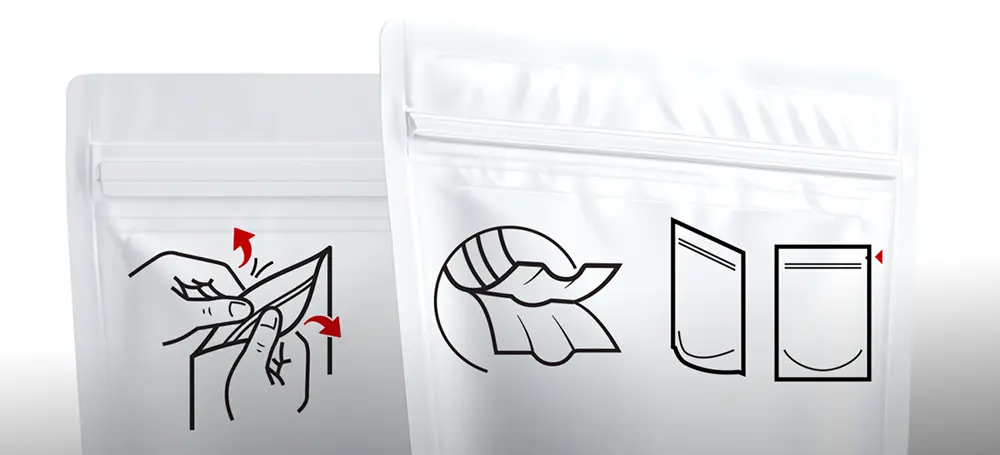
Child resistance in these bags is achieved through specialized zipper systems and multi-step opening designs. These include tear-notches combined with locking tracks, as well as press-to-close zippers that require alignment and additional force.
Brands should focus on these key specifications when sourcing cannabis child proof packaging in this format:
- Certified zipper mechanism that meets CR standards
- Barrier performance against moisture, oxygen, and UV exposure
- Material thickness, often measured in mils, which affects durability
Sustainability continues to remain a challenge. Most mylar bags are multi-layer laminates that are not easily recyclable. Despite the fact that alternatives are emerging, they’re not yet widely being adopted at scale.
From a design standpoint, compliance elements must still be clearly visible. Warning labels, CR indicators, and regulatory markings need to be integrated without overwhelming the visual identity. Strong CR cannabis packaging balances both.
CR Packaging by Product Type: Flower, Edibles, Vapes, and Concentrates
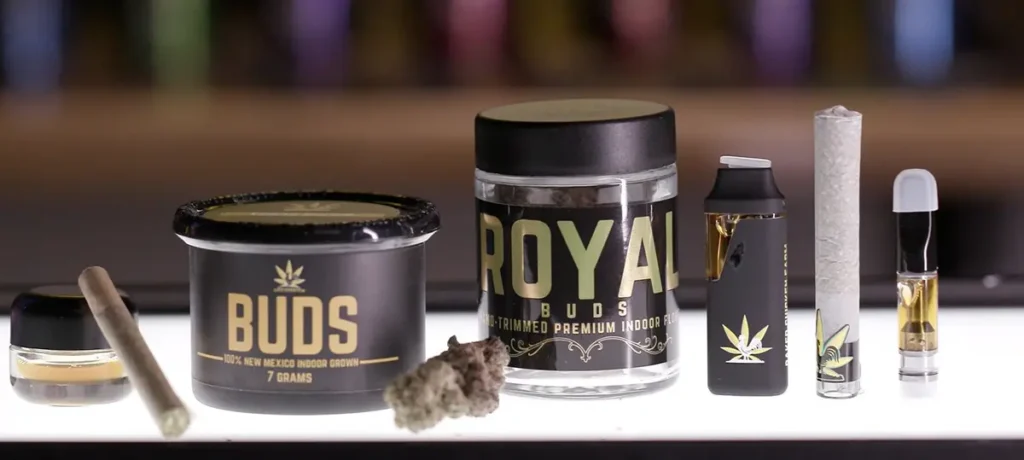
Different product categories require different approaches to child resistant cannabis packaging, even though the underlying compliance standards stay the same. What changes is how packaging interacts with the product itself, how it is used by consumers, and how it performs on the shelf. Format, material, and closure choice all play a role in meeting both regulatory expectations and real-world usability.
- Flower: Typically uses jars or mylar bags. Freshness, terpene preservation, and odor control are key priorities alongside compliance, especially for premium SKUs.
- Edibles: Require strict separation and portion control. Child safe cannabis containers are critical due to their similarity to traditional food products, and many states enforce additional labeling and dosing requirements.
- Vapes: Focus on cartridge protection, tamper evidence, and portability. Compact CR cases must align with hardware dimensions while still meeting cannabis packaging compliance standards.
- Concentrates: Often stored in glass or silicone containers. Material compatibility is essential to prevent sticking, degradation, or contamination of the product.
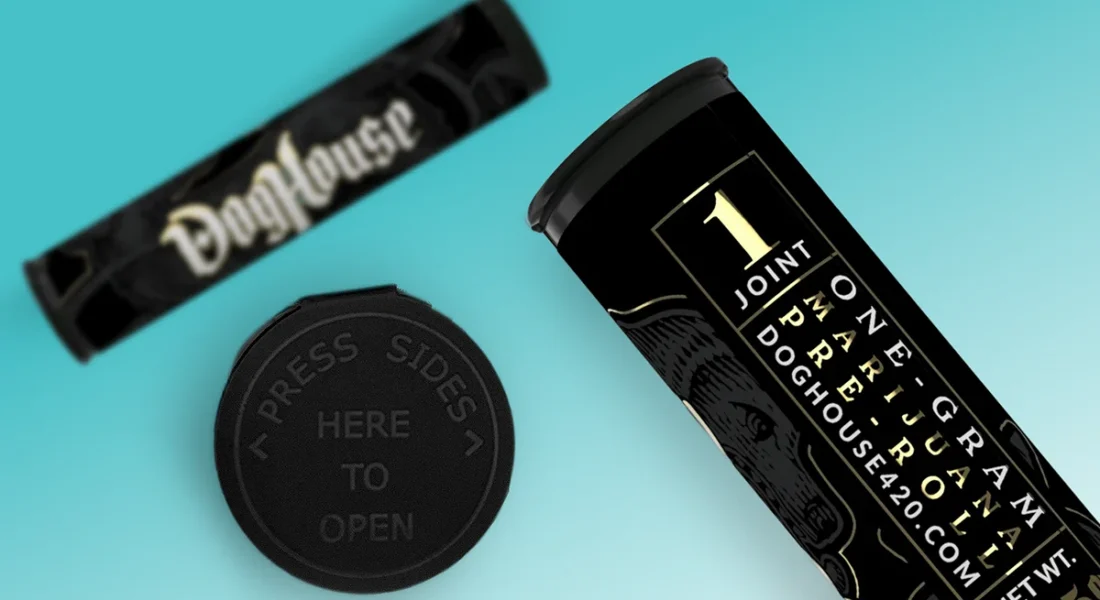
- Pre-rolls: Commonly packaged in CR tubes with push-and-turn or squeeze-top closures. Maintaining structure, humidity balance, and freshness is just as important as compliance.
Across all categories, cannabis packaging compliance must be built into the design from the start, not added later. Retrofitting non-compliant packaging increases costs, slows down production, and introduces unnecessary risk. The most effective systems align product protection, usability, and certified child resistant cannabis packaging into a single, reliable solution.
How to Source Child Resistant Cannabis Packaging: A Brand’s Checklist
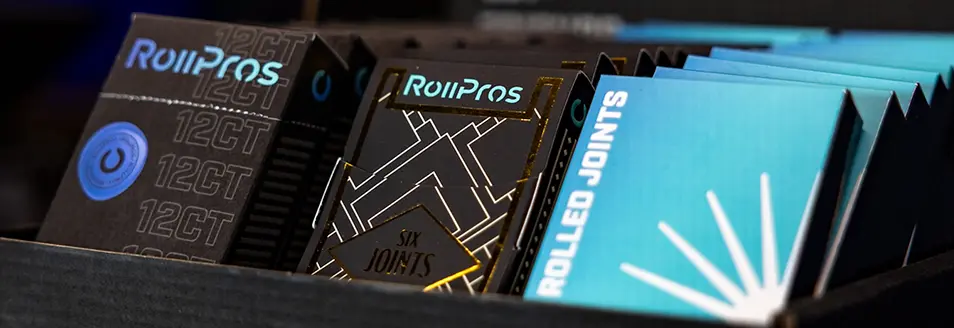
Sourcing child resistant cannabis packaging requires more than comparing prices or lead times. It is a decision that directly impacts cannabis packaging compliance, production efficiency, and the consistency of your final product. Small oversights in packaging selection can lead to failed audits, product holds, or costly rework, especially when scaling across multiple SKUs or states.
Brands should verify the following before placing any wholesale order:
- Documentation: Request 16 CFR §1700.20 test certificates tied to the exact configuration you plan to use, including container, closure, and any liners or inserts.
- Configuration lock: Confirm which changes, such as caps, liners, or even material thickness, would invalidate certification. Get clear documentation from the supplier.
- Minimum order quantities: Many suppliers of child resistant cannabis jars wholesale require higher MOQs. Plan inventory, storage, and cash flow accordingly.
- State-specific compliance: Ensure packaging meets requirements in every state where products will be sold. Some states have additional rules beyond federal standards.
- Quality control integration: Build checks into production, including weight verification, torque checks for closures, visual inspection, and random sampling of child safe cannabis containers.
- Supply consistency: Confirm the supplier can maintain consistent specs across batches so your certified packaging does not drift over time.
The right supplier does more than deliver packaging. They act as a compliance partner who understands the details behind cannabis packaging compliance and helps you avoid preventable issues. Choosing the right one reduces risk, improves operational consistency, and supports long-term growth as your brand scales.