Cannabis Trim vs. Flower in Pre-Rolls: How the Fill Material Affects Quality
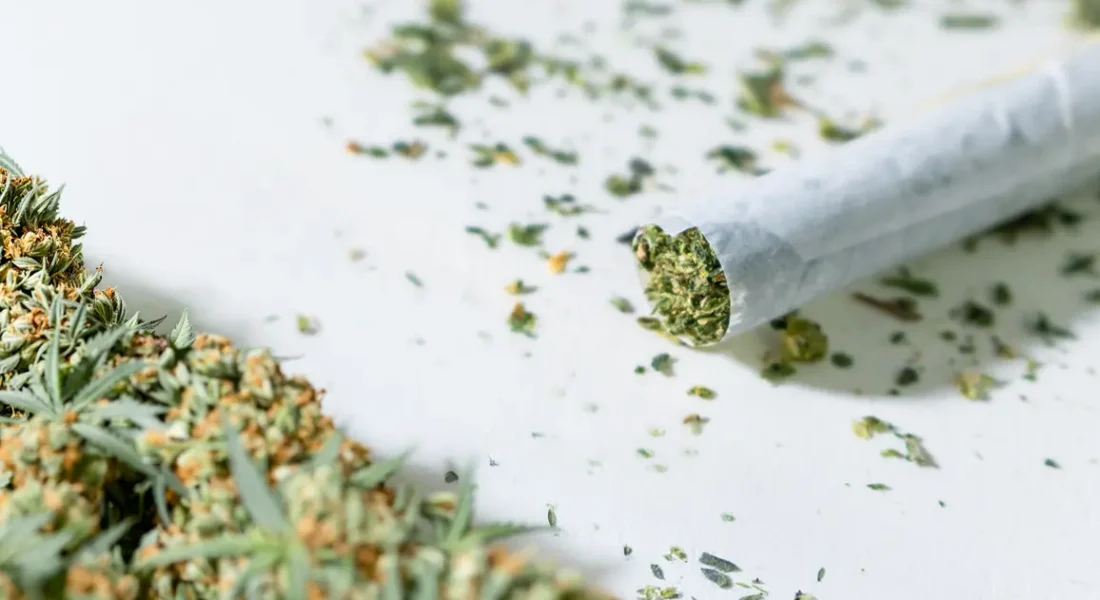
Most people never see what the inside of a pre-roll looks like.
The fill material is hidden from view the moment the product is packed, sealed, and sitting on a dispensary shelf. Consumers notice whether it burns evenly, tastes good, and feels worth their money. This is where the difference between good flower and cannabis trim starts to matter.
Pre-rolls were viewed as a place to use the extra material from cultivation for years. But today, the category has evolved tremendously. Consumers are starting to pay more attention to quality, and experienced users want to know exactly what’s inside before they buy a product. They’re comparing products, reading labels, and quickly realizing when an experience doesn’t match the price tag.
What is cannabis trim pre roll you might ask? Understanding how it compares to flower and how each material performs helps explain why some products become repeat purchases while others sit on the shelf collecting dust. Decisions like this affect everything from production costs to brand reputation for operators.
What Is Cannabis Trim — and What Actually Goes Into a Pre-Roll?
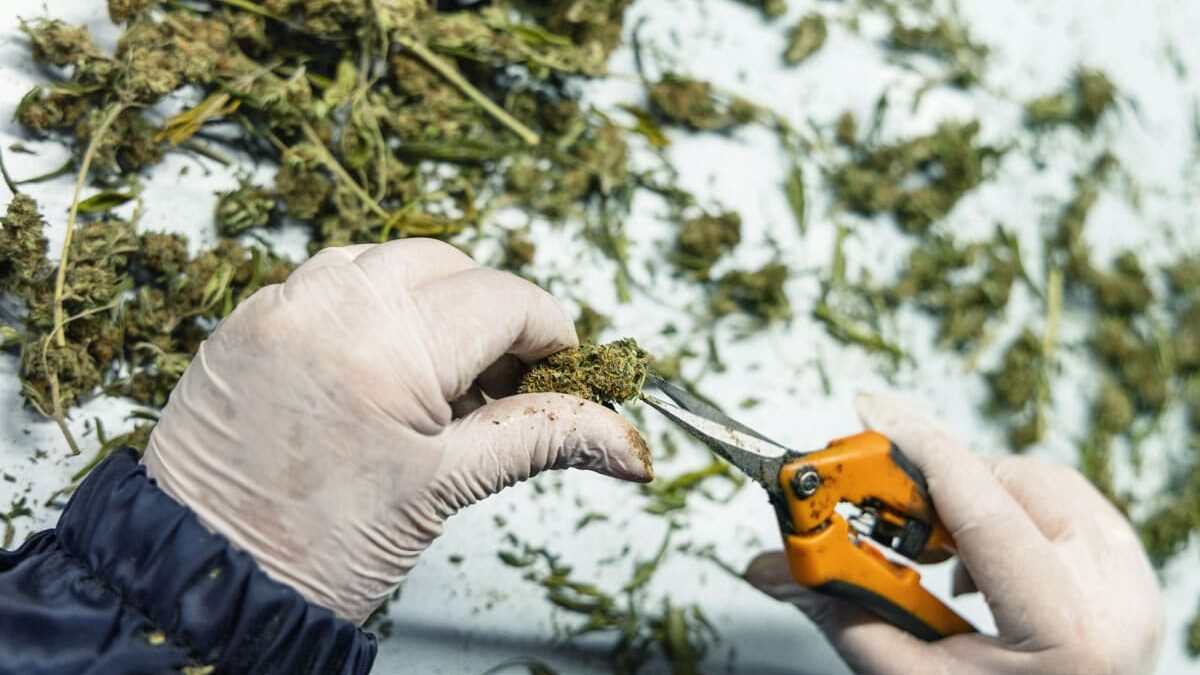
If you’ve ever spent time in a trim room, you already know that not everything removed from a cannabis plant is waste.
Trim the material removed during the manicuring process after harvest. That includes sugar leaves, fan leaves, and smaller pieces of plant material that are separated from the buds before they’re packaged or sold.
Trim quality can vary quite a bit and anyone learning how to trim cannabis quickly realizes that. While some trim is loaded with visible trichomes and carries plenty of cannabinoids and terpenes, other batches contain more leaf material and less resin.
The same goes for trimming methods. Machine trimming prioritizes speed and volume, while hand-trimming typically preserves more of the plant’s natural characteristics.
Cannabis trim has long been used in value-focused pre-rolls because it’s a byproduct of flower production. That doesn’t immediately make it a bad product. Good trim can still produce a decent smoke. The bigger question is how the trim was processed, stored, ground, and packed before it ever reached the cone.
Flower-Filled Pre-Rolls — What “Whole Flower” Actually Means
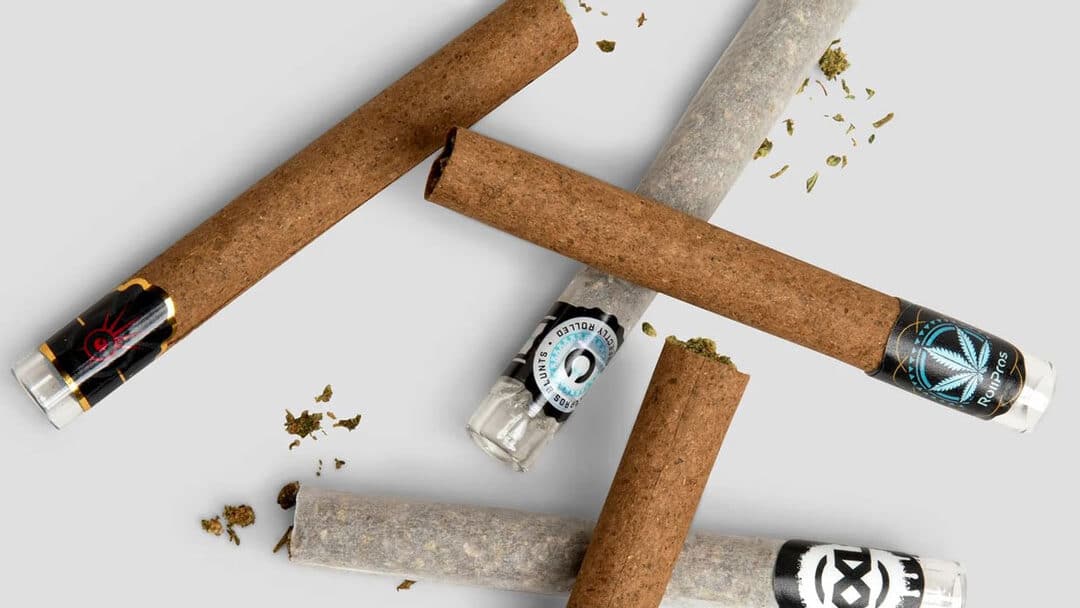
Brands are talking about actual buds that have been milled and packed into a pre-roll rather than using the material found in a trim pre roll when they say that the product is made with whole or ground flower.
There’s a reason flower-filled pre-rolls are often marketed as premium products.
The bud is where any good grower wants a plant’s cannabinoids and terpenes to end up. Because of that, flower usually delivers stronger aroma, better flavor, and a smoking experience that more accurately reflects the strain listed on the label.
Consumers often notice the difference in a few ways:
- More noticeable terpene expression
- Smoother smoke
- Better strain-specific flavor
- More consistent performance from one pre-roll to the next
Of course, flower costs more. Operators are using one of the most valuable parts of the plant as their fill material, which increases production costs and often raises the retail price.
That said, flower isn’t a magic word. Just like cannabis trim, a poorly cured flower-filled pre-roll can still disappoint. Quality starts with the material itself, not just the category it’s placed in.
How Fill Material Affects Burn, Flavor, and Draw

Most consumers judge a pre-roll within the first few minutes of lighting it.
Does it stay lit? Does it taste good? Can you actually pull smoke through it? Those three things often determine whether someone buys that product again.
Burn consistency is one of the biggest differences between flower and a trim pre roll. Because trim contains more leaf material and can vary from batch to batch, it may create inconsistencies inside the cone. That can lead to canoeing, uneven burns, or a pre-roll that seems to disappear faster than expected.
Flavor is another giveaway.
While cannabis trim can still contain cannabinoids and terpenes, it also contains more chlorophyll and leaf material than flower. That’s why some trim-heavy products have a grassy or slightly harsh taste compared to flower-filled options.
Then there’s airflow. A pre-roll that’s ground too fine can feel plugged. Material that’s too coarse can burn unevenly. Getting the grind right matters regardless of what’s being used as fill.
It’s worth noting that trim itself isn’t usually the problem. Poor processing and inconsistent manufacturing are what create most of the issues consumers complain about.
What to Do With Cannabis Trim — Production Decisions That Shape Pre-Roll Quality
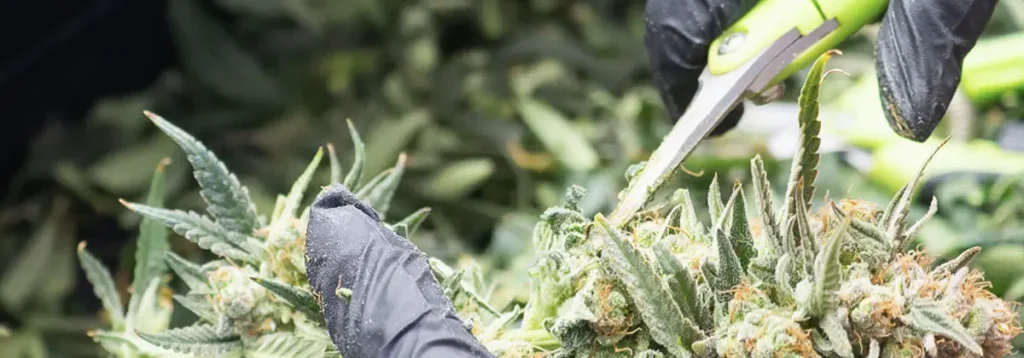
One of the most common questions cultivators ask after harvest is what to do with cannabis trim.
The answer depends largely on quality.
Not all trim ends up in pre-rolls. In fact, many operators have several possible destinations for the material depending on cannabinoid content, terpene retention, and overall condition.
Common uses for cannabis trim include:
- Pre-roll production
- Hydrocarbon extraction
- Ethanol extraction
- Rosin production
- Hash manufacturing
- Edibles
- Tinctures
The decision about what to do with the trim has a ripple effect throughout the business. Some operators pull their best trim for concentrates because the resin still holds significant value. Others reserve flower for premium pre-rolls and direct trim toward extraction.
Learning how to trim cannabis properly also plays a role. Better trimming practices help preserve trichomes and improve the quality of every product that comes afterward.
In many cases, pre-roll quality isn’t determined at the filling machine. It’s determined weeks earlier when cultivation and post-harvest teams decide where each material stream is headed.
Trim Pre-Rolls vs. Flower Pre-Rolls — The Operator Trade-Off on Margin and Positioning
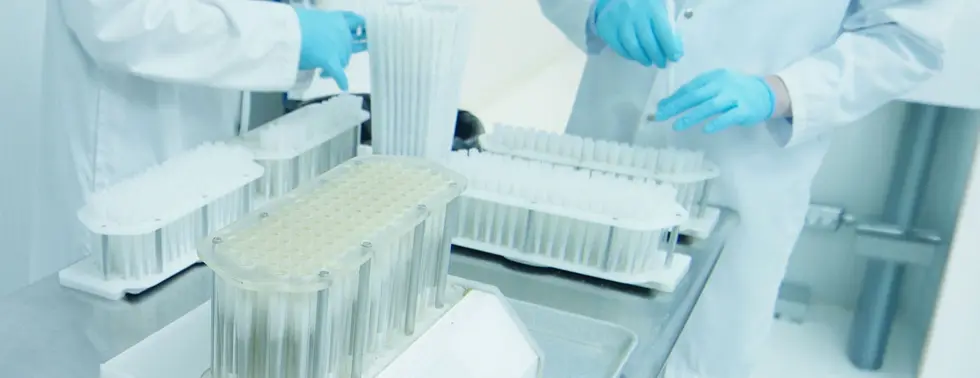
For operators, this conversation usually comes down to balancing product quality with profitability.
A trim pre roll is typically less expensive to produce because the input material costs less than flower. That makes trim-based products attractive for value-focused SKUs and highly competitive markets.
Flower-filled pre-rolls are a different play.
They require more expensive inputs, but they also support higher retail prices and stronger premium positioning. Consumers generally expect a flower-filled product to deliver a better experience, and many are willing to pay for it.
A lot of manufacturers land somewhere in the middle by blending flower and trim. Done correctly, that approach can help improve consistency without pushing costs too high.
The bigger issue is transparency.
Nobody likes discovering they paid flower prices for a product packed mostly with trim. When the experience doesn’t match the expectation, trust disappears quickly.
Consumers are getting better at spotting these differences as the markets mature. Brands who are upfront with their buyers and communicate what’s inside of their product often build stronger long-term loyalty than those who rely on vague marketing language. The best pre-roll isn’t always the most expensive one, it’s the one that delivers the experience the customer expected when they bought it.
Frequently Asked Questions — Cannabis Trim and Pre-Roll Fill Quality
Cannabis trim is the leaf material removed during post-harvest processing. It typically includes sugar leaves, fan leaves, and smaller pieces of plant material separated from the buds.
Not necessarily. A trim pre roll can still provide a good experience if the trim is high quality and processed correctly. Consistency matters more than labels.
Start with the packaging. Some brands clearly identify flower, shake, or trim. Lower prices, harsher flavor, and a grassy taste can also be clues.
There are plenty of options when deciding what to do with cannabis trim. Extraction, hash production, tinctures, edibles, and infused products are all common uses.
Understanding how to do this starts with preserving trichomes and handling the material carefully. The cleaner the trim, the more value it can provide later in production.
Not always. High-quality flower usually delivers a stronger experience, but excellent trim can outperform poorly grown or poorly cured flower. The quality of the starting material matters more than the label alone.
Final Thoughts

Most consumers will never see what’s inside a pre-roll, but they’ll notice the results.
Whether a product is made with flower, trim, or a blend of both, the quality of the material and the consistency of the manufacturing process ultimately determine the experience. Understanding what trim is helps consumers make more informed purchases, while helping operators build products that match their positioning.
The brands earning repeat customers aren’t necessarily using the most expensive inputs. They’re creating products that deliver exactly what the consumer expected when they lit the cone.